





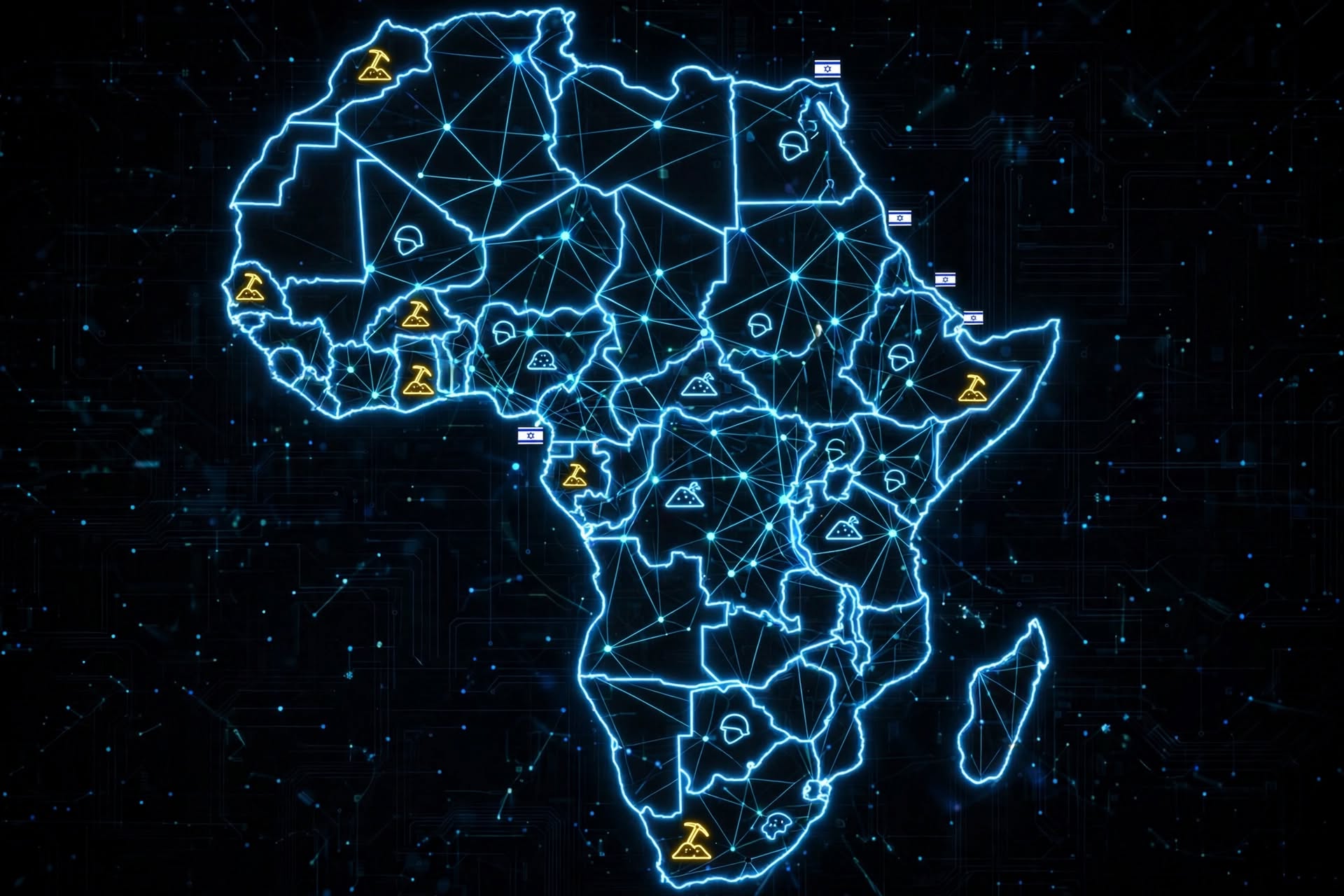
From a gateway of security and military cooperation to investment in minerals, energy and agriculture, Israel is working to broaden its presence on the African continent. It is drawing on several countries’ need for technology and security expertise, and on Africa’s strategic value for securing natural resources and shipping lanes and for winning allies in international forums.
From rupture to “return”
The roots of the rupture go back to 1972 and 1973, when a succession of African countries began cutting ties with Israel, ending in a near-total break after the October 1973 war, out of solidarity with Egypt and the Arab states, in support of the Palestinian cause and in rejection of Israel’s occupation of Arab land.
Over time, Tel Aviv came to see restoring its African relationships as a chance to strengthen its international standing and win new allies, especially as the continent holds a weighty voting bloc at the United Nations.
Prime Minister Benjamin Netanyahu’s 2016 tour of East Africa was a landmark in that process. He declared that “Israel is returning to Africa, and Africa is returning to Israel,” pointing to a strategy aimed at ending decades of diplomatic isolation and building a network of political, economic and security partnerships.
Security as the way in: training, upgrades, defense industry
Security and military cooperation has been among the main doors Israel used to rebuild its African ties, drawing on rising security threats and the spread of armed groups in a number of countries.
In Uganda, cooperation has covered training special forces and air force pilots and helping modernize fighter aircraft; in Nigeria it has extended to training naval special forces, and in Equatorial Guinea to training the presidential guard. In Kenya, the areas of cooperation widened to counterterrorism, training, defense industries, cybersecurity and military research and development.
It has not stopped at buying equipment but has reached maintenance, upgrades and the transfer of technology and expertise. The defense memorandum of understanding signed between Uganda and Israel in 2022 illustrates the path, covering training, equipment, technology transfer and stronger air force and air defense capabilities.
Digital surveillance and the Pegasus controversy
As security threats evolved, Israeli cooperation grew to include surveillance and cybersecurity technology, a field that has stirred controversy over the use of Israeli technology to track opponents and monitor communications.
In 2021, the Pegasus Project investigations found phone numbers in Rwanda and Togo on lists linked to potential clients of Israel’s NSO Group, developer of the Pegasus spyware. The investigations reported that the phone of the daughter of Rwandan opposition figure Paul Rusesabagina had in fact been hacked with the software, while the numbers of other figures appeared among potential targets.
Agriculture and water: MASHAV comes in through expertise
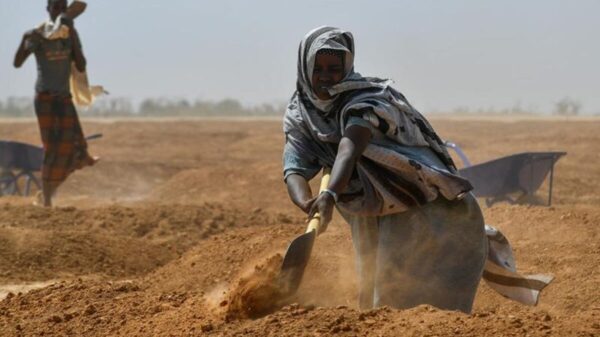
Alongside security cooperation, Israel has expanded its presence in agriculture, water and food security, drawing on the challenges several African countries face in managing water resources and developing farm output.
The Israeli Agency for International Development Cooperation, MASHAV, founded in 1958, has played a prominent role here, focusing on training local staff and transferring knowledge and technology, especially in agriculture, irrigation and water management.
In Rwanda, the agency set up a center of excellence in horticulture with the Ministry of Agriculture to train farmers and develop production. It also supported agricultural training programs and irrigation techniques in Kenya, including a model farm using advanced irrigation systems.
Minerals and trade corridors: where the strategic gains are counted
Israel’s bet does not stop at security cooperation and knowledge transfer. Natural wealth is one of the main drivers of its wider presence on the continent, particularly strategic minerals used in technology and military industries.
The Democratic Republic of Congo stands out as the world’s largest cobalt producer, with more than 70% of global output, along with large reserves of gold and diamonds. These resources matter for industries tied to batteries, electric vehicles, electronic chips and military applications, including guidance systems, drones and missiles.
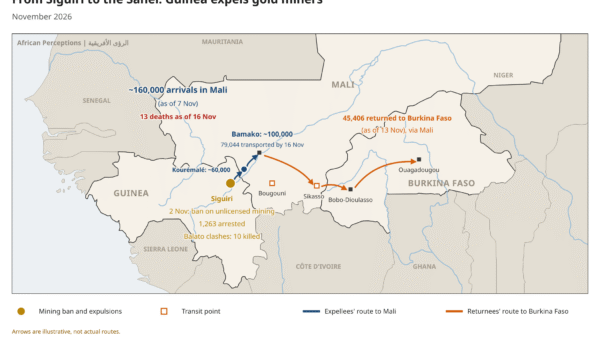
Israeli investment presence extends to networks of businessmen and investment groups linked to concessions in diamond and gold extraction in Sierra Leone, Guinea and South Sudan.
The interest is not limited to extraction but covers the routes minerals travel, chiefly the Lobito Corridor linking mining areas in the Democratic Republic of Congo and Zambia to the port of Lobito on the Atlantic. The corridor has gained weight amid international competition, especially between the United States and China, over natural resources and supply chains.
The Horn of Africa and Bab al-Mandab
Alongside economic interests, the Horn of Africa holds a prominent place in Israeli security calculations, given its proximity to the Red Sea and the Bab al-Mandab Strait, one of the most important sea lanes for world trade.
Israel is seeking security and intelligence partnerships with countries in the region, among them Ethiopia and Kenya, to strengthen its presence near the southern shipping lanes, monitor security developments in the Red Sea and secure the movement of its commercial vessels heading to the port of Eilat.
The United Nations: the search for allies
Beyond military and economic interests, Israel is trying to use its African relationships to bolster its diplomatic position in international organizations, drawing on the voting weight of African states at the United Nations.
In that context, countries such as Togo, Malawi and Liberia have voted on some resolutions in line with Israeli positions, while others, including Rwanda and Cameroon, abstained on resolutions concerning Israel.
Israel’s 2021 acquisition of observer status at the African Union was a notable step in this effort, but it met objections from African states, led by South Africa, which opposed giving Israel this role in support of its stance against the Israeli occupation.
Source: Al Jazeera