






Africa’s political reality today is marked by a complex mix of structural challenges and new opportunities. The continent faces climate shocks, fragile economies, armed conflicts, and mounting debt, even as it strives for inclusive growth, regional stability, and long-term sustainability.
This special report by African Perceptions examines the major policy trends shaping Africa’s future.
Economic Reforms and Structural Challenges
Many African nations are trapped in cycles of poor policy and weak growth. Following the political upheavals of 2011, public deficits have worsened, debt has mounted, and private sector activity remains subdued. Informal economies dominate, often without access to social protection systems.
Key recommendations include: subsidy reform to boost investment, regulatory simplification, a more business-friendly environment, and greater financial inclusion for informal workers. Sub-Saharan Africa’s economy is projected to grow by 4.1% in 2023–2024, though risks like global inflation and debt servicing remain significant.
Climate Policy and Green Transition
Africa suffers disproportionately from climate change, losing between 2% and 5% of its GDP annually to droughts and floods. Current climate policies prioritize private sector financing—estimated at $250 billion annually—to close the funding gap. The continent’s natural capital, valued at $6.2 trillion, offers potential for sustainable financial transformation. Governments are focusing on climate-resilient agriculture and improved water management to combat food insecurity, which affects 1 in 5 Africans.
Security and the “Silencing the Guns” Initiative
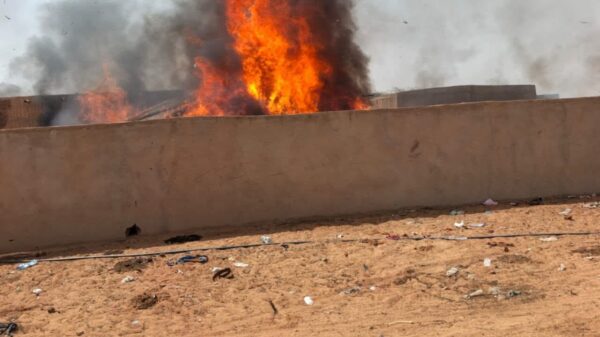
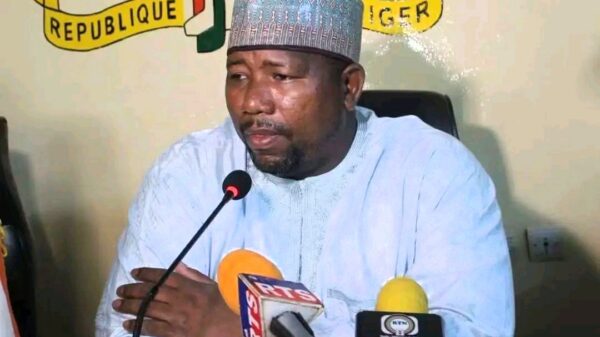
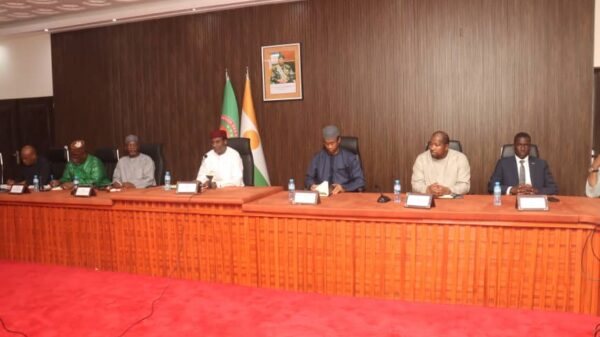
With growing conflicts in the Sahel and the Horn of Africa and a recent wave of military coups (Niger, Mali, Burkina Faso, Gabon), Africa’s security environment remains volatile. The African Union’s “Silencing the Guns” initiative promotes development-led solutions, disarmament, reintegration of combatants, and stronger local governance. These efforts are backed by UN peacekeeping missions, such as those in the Central African Republic and South Sudan.
Social Policy: Health and Education
Public healthcare systems are under strain, especially in rural areas, due to staff shortages and poor infrastructure. Current policies seek to expand social protection programs, including cash transfers supported by the World Bank (totalling $5.7 billion since COVID-19), and invest in education to meet demographic pressure. With 12 million youth entering the labor force each year versus only 3 million new jobs, the employment gap remains critical.
Global Competition and Strategic Partnerships
Africa is increasingly central to global power rivalries, as China, the U.S., and Russia vie for access to natural resources and key trade routes. African governments are leveraging this competition, forging infrastructure deals with China, military cooperation with Russia (e.g., Ethiopia), and green energy partnerships with the EU.