







Conakry’s crackdown on artisanal mining has become a cross-border humanitarian, security and economic crisis, and Bamako warns of a new recruiting pool for armed groups
The expulsion of more than 160,000 gold miners from Guinea into Mali and Burkina Faso is a double shock for Sahel states already struggling with severe security and economic fragility. It carries the crisis beyond the margins of unregulated mining and into the core of domestic and regional stability.
How it began
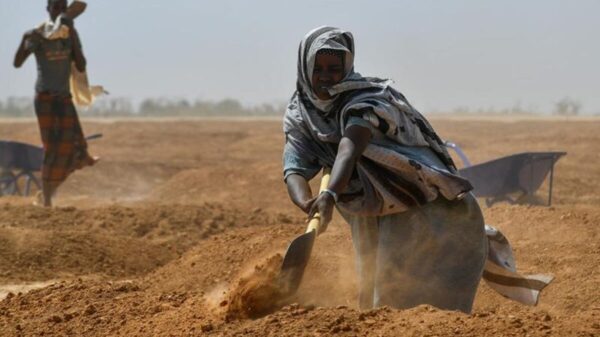
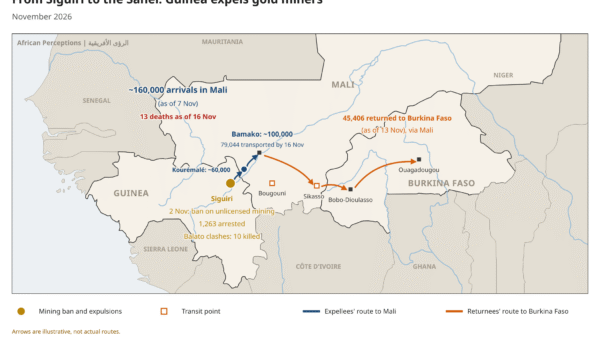
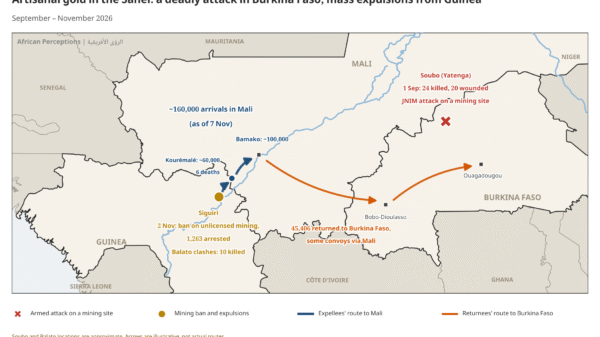
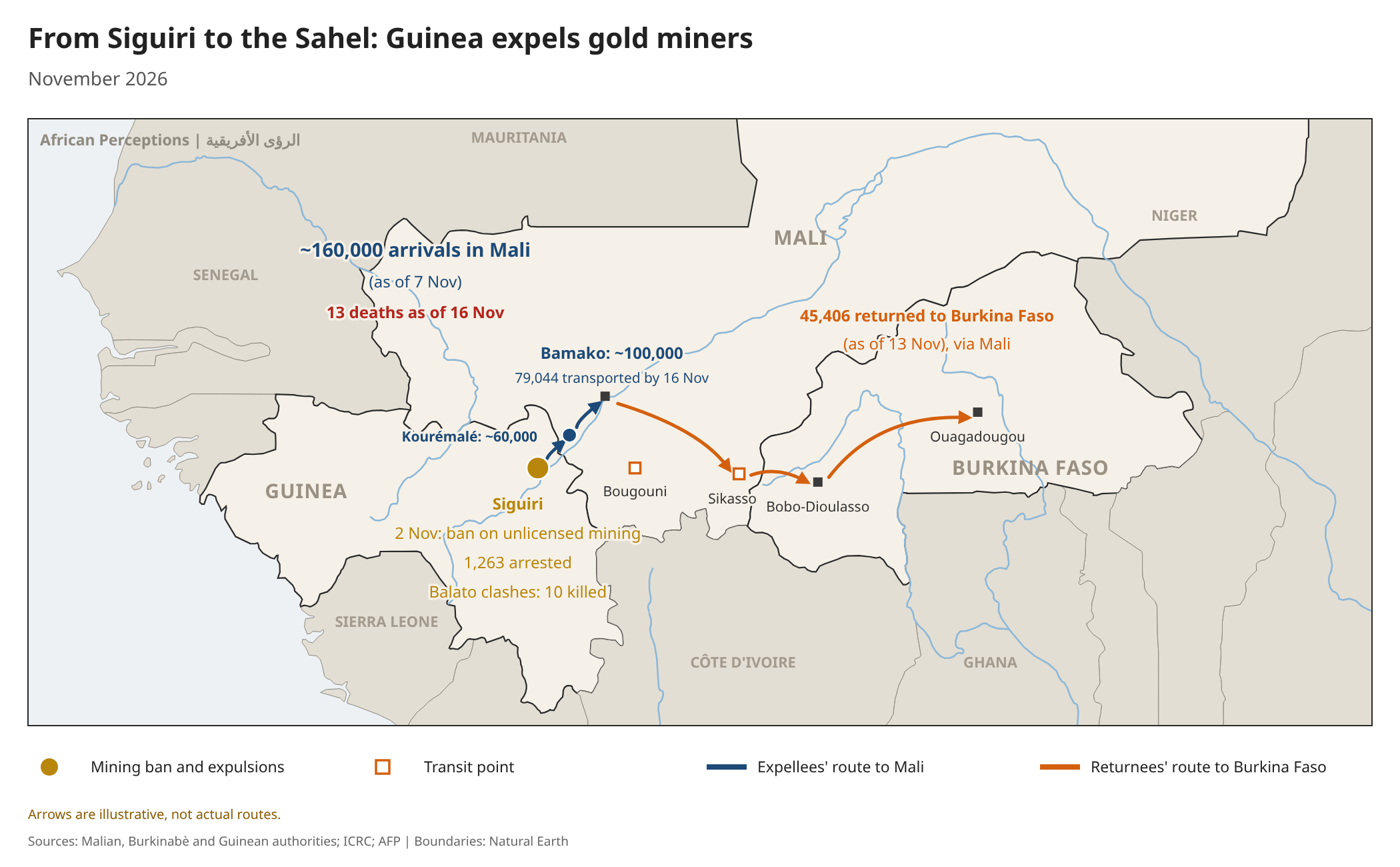
The crisis began in late October and early November 2026, when Guinean authorities suspended artisanal mining in the Siguiri area of the country’s north-east. On 2 November they issued a decision banning unregulated mining and the use of heavy machinery and dangerous chemicals, backed by a large security deployment.
Conakry justified the campaign by the need to halt environmental damage and pollution of major rivers that flow through West African countries, as well as President Mamadi Doumbouya’s administration’s aim of tightening state control over the gold supply chain and raising public revenue.
Raids led to the seizure of hundreds of bulldozers and excavators, which were displayed outside parliament in Conakry, and Guinea’s defence and security ministries announced the arrest of 1,263 people of various African nationalities. Later, 1,557 detainees were released under a presidential pardon after being tried, and taken in an organised convoy that crossed on 15 November into Kourémalé, on the border with Mali. In Balato, in the Siguiri area, at least 10 people were killed in clashes between security forces and miners, according to the Guinean government.
A human wave towards Mali
Mali’s crisis coordination and management centre and the International Committee of the Red Cross estimate that more than 160,000 people fleeing or expelled have crossed into Mali since early November. Of those, 79,044 had been transported and returned through official transport by 16 November.
Most were concentrated in two places: Bamako and its outskirts, which received around 100,000 people, particularly in Ouezzindougou and Kanadjiguila; and the border town of Kourémalé, with about 60,000. Transit points were also set up in Sikasso and Bougouni.
Burkina Faso, whose citizens make up the largest share of those expelled, said it had brought 45,406 of its nationals home by road through Mali as of 13 November. Benin’s community in Mali appealed to its government to arrange the return of some 300 Beninese, including 13-year-old minors, stranded at reception sites.
Panic on the road
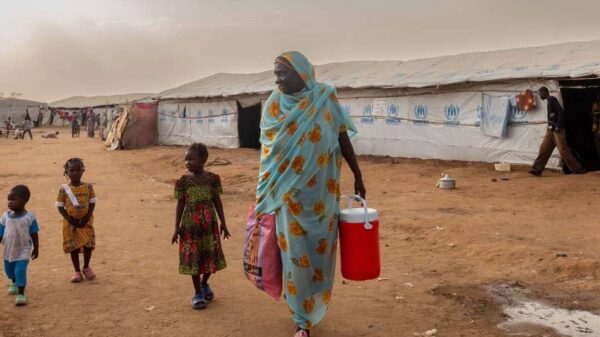
Survivors’ accounts and media reports say the evacuation took place amid panic and stampedes, scattering families and forcing thousands to walk long distances without food or shelter; deaths and cases of severe exhaustion were recorded. Mali’s crisis centre counted 13 deaths among those expelled as of 16 November. Malian hospitals have registered six births to expelled women since the crisis began.
Mali’s health ministry put the cost of its emergency response plan at around 228 million CFA francs (more than €347,000). The Malian Red Cross, supported by the ICRC, provided urgent medical care, distributed tens of thousands of hot meals and water packs, and made hundreds of phone calls to restore family links.
Diplomatic chill
Malian Prime Minister General Abdoulaye Maïga called Guinea’s expulsions “uncoordinated”, while stressing the brotherly ties between the two countries. Burkina Faso’s authorities complained that their citizens suffered “inhumane treatment” during the rapid, sudden evacuation.
The tension is likely to hamper joint intelligence and security cooperation along the Guinea–Mali border strip, especially near Siguiri and Mandiana, a gap armed groups could exploit to slip across the frontier.
A new recruiting pool
Officials at Mali’s security ministry told AFP that the sudden loss of livelihood for tens of thousands of young men makes them vulnerable to recruitment by armed groups active in the Sahel, chiefly the al-Qaeda-linked Jama’at Nusrat al-Islam wal-Muslimin (JNIM), which has long exploited youth marginalisation and lost livelihoods to swell its ranks.
As the miners return and try to work artisanal sites in Mali and Burkina Faso, friction rises in areas already gripped by deadly conflict, where armed groups levy “taxes” on gold sites to fund their operations and extort workers.
The build-up of tens of thousands of people in Kourémalé and on the outskirts of Bamako also strains security and logistics services already stretched by counter-insurgency, and raises the risk of organised crime and smuggling.
A blow to the rural economy
Hundreds of thousands of people in Mali and Burkina Faso rely on work in West Africa’s mines to support families in their villages. The sudden halt to these remittances, together with the seizure of miners’ savings and equipment, hits household purchasing power in areas already beset by poverty and drought.
Both governments have had to set aside emergency budgets for road transport using hundreds of lorries and buses, reception centres, healthcare and food, drawing resources away from public services and infrastructure.
Guinea’s campaign coincides with Conakry’s push to refine gold at home through the opening of the Nimba refinery, a policy similar to Mali’s and Burkina Faso’s creation of national companies and cooperatives to regulate artisanal mining. But the abrupt closure of jobs in Guinea could drive gold-smuggling networks to seek riskier alternative routes through the Sahel.
Source: AFP; International Committee of the Red Cross; The Guardian; Sky News Arabia