

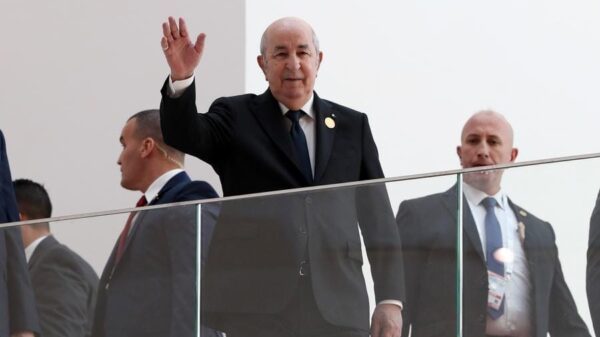
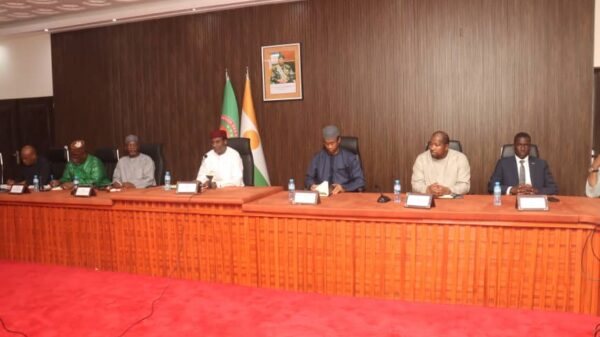





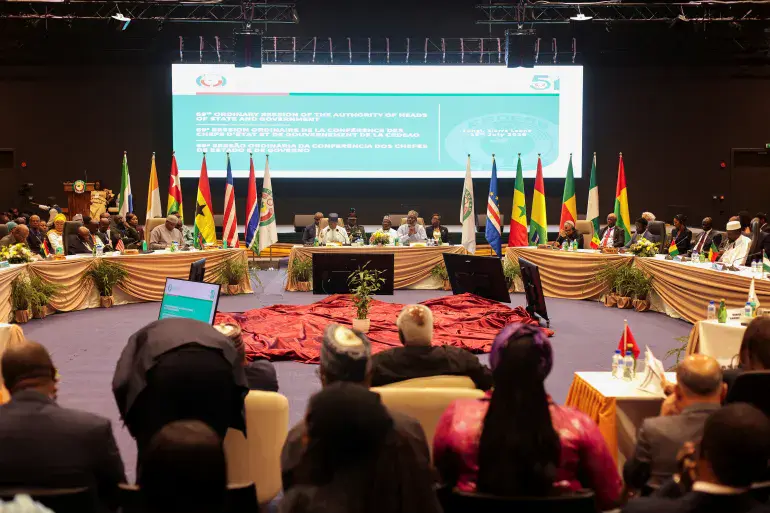
Leaders of the Economic Community of West African States (ECOWAS) signed the intergovernmental agreement governing the Nigeria-Morocco Natural Gas Pipeline during their summit in Freetown on Sunday, marking a major step towards the implementation phase of the regional energy project.
ECOWAS Chairman Julius Maada Bio announced that member states had signed the agreement for the West Africa-Morocco gas pipeline, telling delegates: “Don’t be surprised when the gas reaches you.”
In a joint statement, Morocco’s National Office of Hydrocarbons and Mines (ONHYM) and the Nigerian National Petroleum Company (NNPC) said the project aims to connect West African gas resources with regional and international markets while promoting economic integration through electricity generation, industrial and mining development, and strengthening Morocco’s role as an energy gateway between Africa and Europe.
Speaking to Reuters, ONHYM said the pipeline is also intended to integrate African energy markets and establish a development corridor linking West Africa, the Sahel, Morocco and Europe.
Morocco and Nigeria announced in April that feasibility studies and the preliminary engineering design had been completed. The next phase includes establishing a project company headquartered in Casablanca and a governing authority based in Abuja before attracting investors and taking the final investment decision.
The statement added that the next step will be the signing of a bilateral agreement between Morocco and Mauritania in the presence of Nigerian President Bola Ahmed Tinubu.
According to Agence France-Presse, citing an ONHYM source, construction is expected to begin in 2028, with first gas deliveries planned for 2031.
According to official plans, the pipeline will transport up to 30 billion cubic metres of natural gas annually through 13 countries, linking Nigeria and West Africa to Morocco before connecting to the existing Morocco-Spain gas pipeline for exports to Europe. Around 15 billion cubic metres per year will be allocated to Moroccan and European markets.
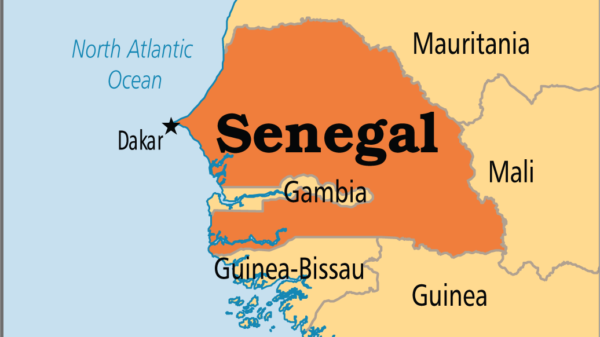
The route will pass through Nigeria, Benin, Togo, Ghana, Côte d’Ivoire, Liberia, Sierra Leone, Guinea, Guinea-Bissau, The Gambia, Senegal, Mauritania and Morocco.
The project was first proposed during King Mohammed VI’s visit to Nigeria in December 2016 and has gradually advanced to the signing of the current intergovernmental agreement.