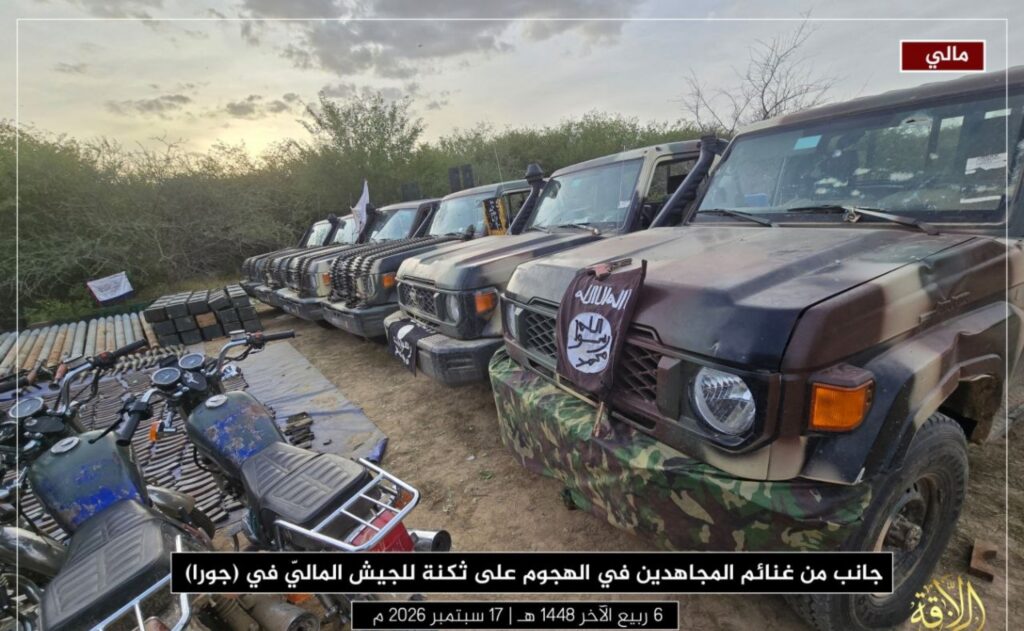




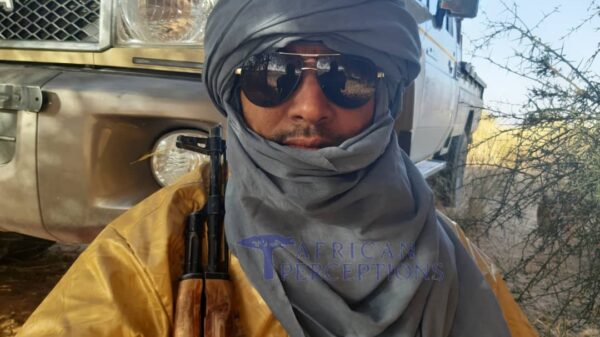


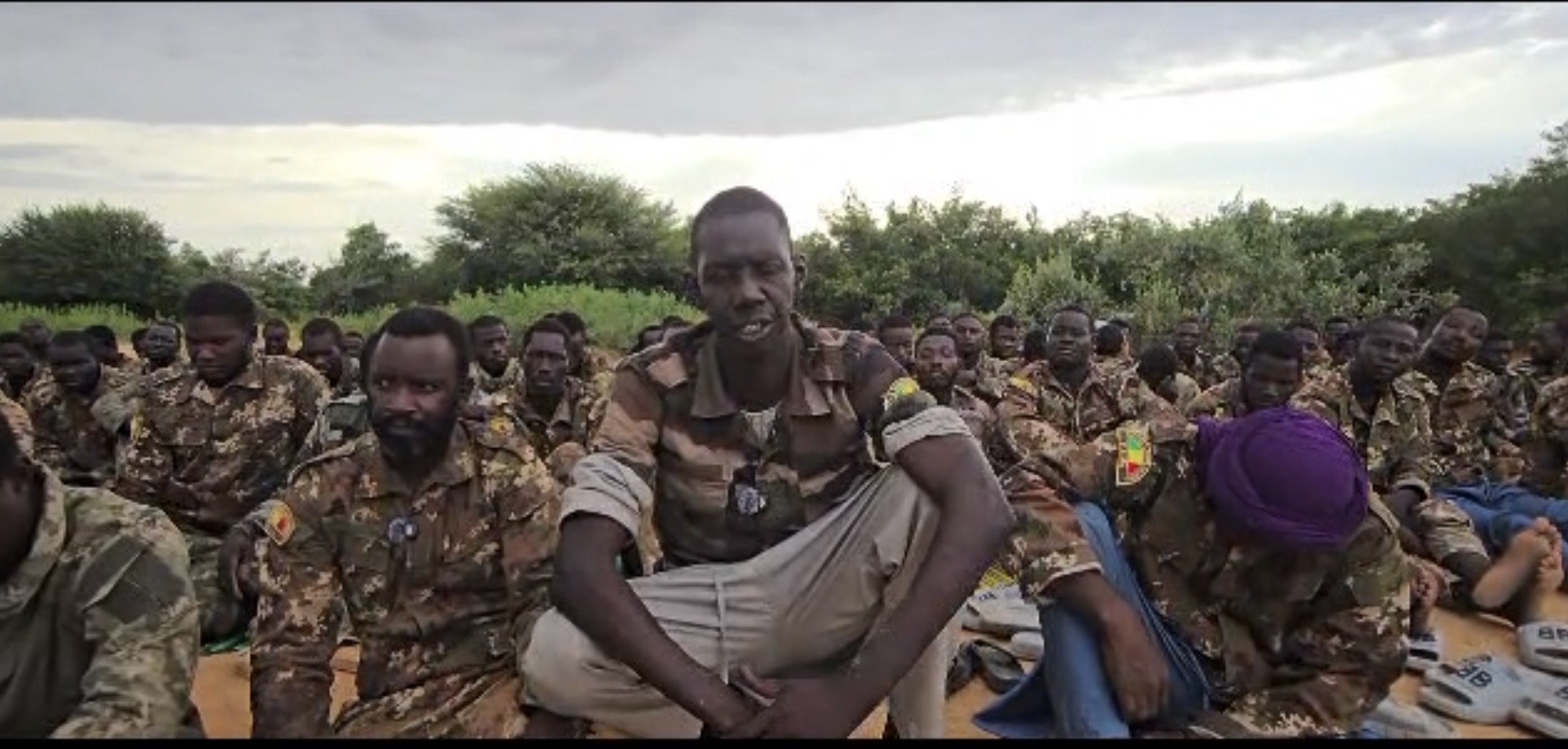
Between the destroyed Diora camp, circulating hostage videos, and news of the Tabrichate ambush, several threads have converged in Mali in recent days, suggesting that “hostages” have become as central to the war economy as they are a humanitarian issue. Testimonies gathered from field sources and observers of Azawad affairs sketch out this shift — though they remain, by nature, personal opinions and analyses whose details are difficult to verify independently.
The Ransom Economy: A Testimony From Kidal
Nouh, a businessman from Kidal, describes the current period as “the month of hostages,” in his words: “War has now become a war of hostages — even jihadist groups that no longer cared about prisoners have started capturing soldiers to trade them for their own detainees in Malian prisons.” He goes further in describing what he considers systematic practices by the Malian army and former Wagner forces, saying they “capture civilians and call their families demanding five million CFA francs each, or else accuse them of terrorism or kill them” — which, in his account, has driven a surge in donation campaigns to free “wronged” civilians held by the Malian army and Wagner.
Nouh believes this phenomenon has “eased” since Wagner’s transformation into the Africa Corps, but still sees it as “a source of income for Malian army officers,” which in his view means it is unlikely to disappear entirely. As for other armed actors, he says JNIM “benefited greatly from these deals in recent months,” pointing to what he describes as the more surprising, newer development: the Azawad Liberation Front (FLA), he says, gained both materially and symbolically from a deal releasing prisoners held by Wagner, with Russia — according to his account — paying the Front millions, in addition to pressuring Mali and Niger to release FLA-linked detainees.
This account remains the testimony of a single source, with no documentation or confirmation from the parties concerned (the Malian army, Russian command, the FLA), and should be read as a viewpoint from Kidal rather than a documented accounting of the scale of this “parallel economy.”
JNIM’s Field Gains: A Testimony From Mopti
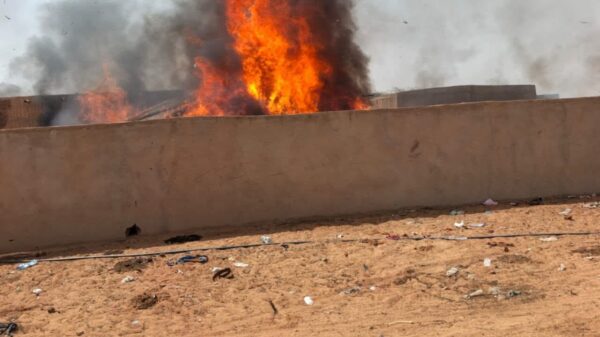
Abdallah, a journalist specializing in the Mopti region and western Timbuktu, links the recent attacks to gains for JNIM on both the military and popular fronts. He says the group “reaped several gains from its attack on Malian army camps and the Dogon militias affiliated with it,” adding that it “took total control of these camps, and those who weren’t killed were captured.” He believes this “show of force” will strengthen the group’s influence in western Méma, and that the destruction of the Diora camp “gave it freedom of movement in that area.”
Abdallah adds that the Diora camp, in his account, “killed and displaced children and women, unjustly detained dozens, and sold them back to their families,” and that public anger over these practices attributed to the Malian army and its militias “has increased JNIM’s influence and widened its popular base.”
Like Nouh’s testimony, Abdallah’s account reflects the viewpoint of a field observer, not the outcome of an independent investigation; the allegations against the army and the Dogon militias remain unconfirmed by any counter-source, and the claim of “total control” over the camps warrants the same caution as any territorial-control claim in a shifting conflict.
The Outlook for the Coming Weeks
Ali, for his part, sums up the moment in a forward-looking line: “We’re entering a new phase of the conflict — the coming weeks will mark either the start of a negotiated settlement, or a war that drags on for years.”
Reading the Threads Together
These three testimonies intersect with what has already been documented about the complexity of Mali’s map of actors: a government army and its Russian ally facing two fronts — jihadist and Azawadian — whose interests sometimes intersect on specific issues like hostages, without that amounting to a unified strategic alliance. If the picture painted by these two sources of a parallel ransom economy involving multiple actors proves accurate, it adds a new dimension to understanding the conflict’s persistence: a direct material incentive for different parties to prolong detention and negotiation rather than resolve them.
The question Ali raises remains the most pressing: are the parties moving toward negotiations that would end this parallel hostage economy, or will years of continued war entrench it as a structural part of the conflict? The coming weeks, according to everyone quoted, will be a decisive indicator.