






An urgent Interior Ministry message tells governors to close schools and boreholes and stop issuing civil documents to members of the community after officials accused some of them of arms smuggling, while a spokesman for eastern Niger’s Arabs calls for a peaceful solution and says “all options will remain open”
The crisis surrounding the Mahamid Arabs of Diffa, in south-eastern Niger, has entered a new phase. In an “urgent” radio message dated 7 October 2026, the Minister of State for the Interior, Public Security and Territorial Administration instructed the governors of Zinder and Diffa to take a series of measures targeting members of the community, from closing schools and boreholes to withdrawing national identity cards and passports.
The message, a copy of which was obtained by African Perceptions, bears the number 002235 and the ministry’s letterhead. It was signed in Niamey and carries the stamp of the ministry’s secretary general.
Five orders
The message states that schools, health centres and boreholes built by the state and NGOs “have become exclusively beneficial to Mahamid communities”. On that basis, it asks the two governors, upon receipt, to:
- close all these schools and boreholes and reassign the teachers concerned;
- make members of the community bear 100% of the cost of health services;
- immediately stop issuing civil status documents to members of the community;
- take all necessary steps to withdraw those documents, including national identity cards and passports;
- instruct the defence and security forces to enforce these instructions, notably at checkpoints and during patrols.
The accusations: weapons and ammunition for Boko Haram and the Islamic State
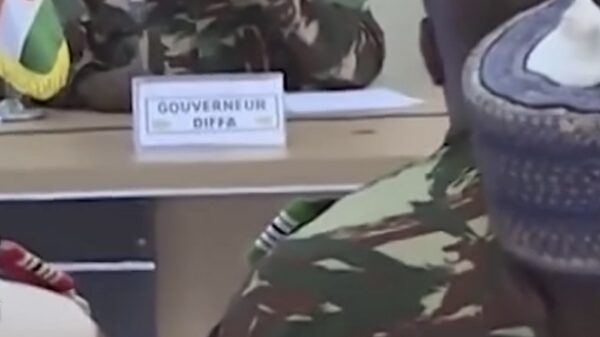
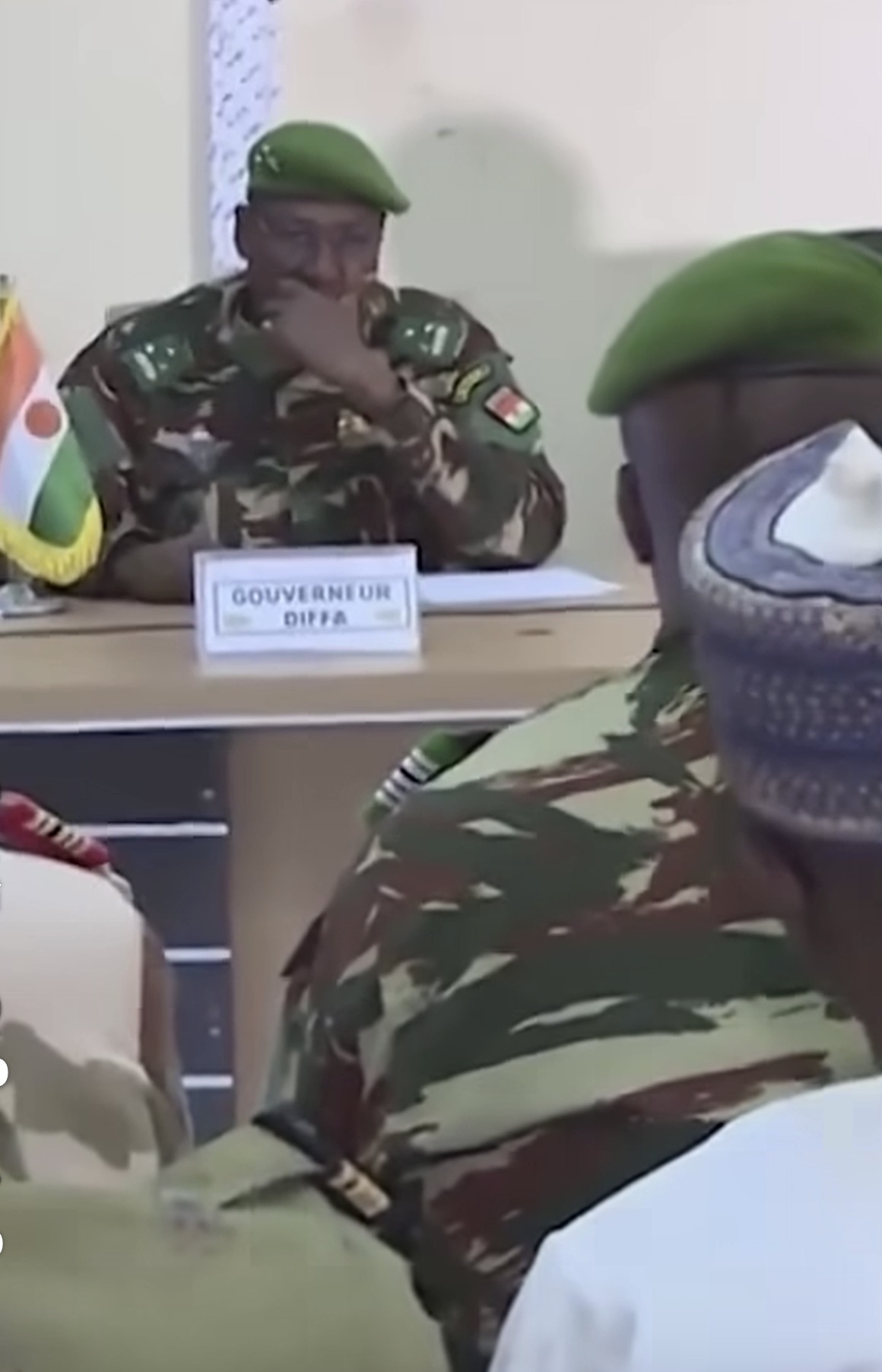
The message followed an extraordinary session of Diffa’s Regional Security Council on 22 August 2026, at which the regional governor, who chairs the council, set out what he called the main grievances against the Mahamid Arabs.
The governor said that since its arrival in the region the community had created sharp tensions with other Nigerien communities, through what he described as excessive use of water points and pastures and a “dominant attitude” towards the indigenous Kanuri, Fulani and Buduma. He added that some of its members carry firearms and use them in any dispute, citing an incident on 16 July 2026 in Mainé-Soroa in which, he said, the keeper of an animal pound was killed and his son seriously wounded during an attempt to recover impounded livestock.
The governor accused the Mahamid of involvement in trafficking drugs, weapons and ammunition for Boko Haram, and attributed many of the armed robberies recorded between Kabalewa and N’Guigmi to their young men.
The authorities presented a series of incidents between 2023 and 2026. According to their account, the main ones were:
- 11 July 2023: nine AK-47 rifles seized west of Diffa near the village of Boudouri, which officials said were to be delivered to Boko Haram fighters at Gagamari.
- 14 July 2023: 28,000 rounds of 7.62×39 ammunition seized north of Kintchandi, which officials said were destined for Boko Haram fighters in the Chétimari area.
- 5 October 2023: an unsuccessful pursuit of five Hilux vehicles arriving from Libya, which intelligence said were carrying weapons and ammunition for the Islamic State West Africa Province.
- April and May 2024: arms shipments from Libya, including RPGs and AK-47s, which officials said were carried by camel to Boko Haram bases on the islands of Lake Chad. They added that Nigerian Air Force strikes near Boulagana-Lamba, Nigeria, on 4 May 2024 killed several Boko Haram fighters and six Mahamid.
- 27 October 2025: five people killed in camps near N’Galewa, which officials described as a reprisal for the killing of a community member.
- 18 January 2026: an arms shipment delivered by camel to the JAS faction south of N’Gagala.
- 14–24 April 2026: operations in N’Guigmi that led to the seizure of a machine gun, 15 AK-47s, a pistol, more than 48,000 rounds of ammunition, six vehicles, a Starlink antenna, phones and foreign identity documents.
The authorities say they also hold statements from Boko Haram defectors and fugitives. Their analysis concludes that the seizures and intelligence gathered between 2023 and 2026 point to “a rise in the presumed involvement of some Mahamid” in supplying armed groups in the Lake Chad basin with weapons, ammunition and logistics.
“No generalisation”, then collective measures
Notably, the governor himself, Major General Mahamadou Ibrahim Bagadoma, urged at the same session, according to Niger’s state news agency ANP, that “a particular situation” not be generalised “to an entire community”, stressing that the concerns raised “cannot be extended to the whole Arab community”. Traditional chiefs of the Arab community attended the session.
Police, civil registry and prosecution officials also set out the legal framework for foreigners’ entry and residence, and stressed that long residence alone does not automatically confer Nigerien nationality.
The 7 October message, however, draws no distinction between accused individuals and the rest of the community: it targets “members of this community” as a whole, in education, health, water and civil documents.
A file reopened from 2006
This is not the first time the Mahamid issue has surfaced in Niger. In October 2006, Niamey announced plans to deport Diffa’s Arabs to Chad, before suspending the decision days later.
In late July 2026, Nigerien media reported Interior Ministry instructions to identify members of the community, withdraw their civil documents and return them to their “country of origin”, although no official decision was announced at the time.
A closed community and accumulated tensions
According to African Perceptions’ years of reporting in the Diffa region, the Mahamid community, originally Arabs from Chad, has remained more inward-looking than the region’s other communities, such as the Kanuri and Hausa, which are known for their cohesion and peaceful coexistence. Some residents of the region told African Perceptions that the Mahamid refuse to intermarry with other communities.
African Perceptions’ reporting indicates that the crisis between the state and the Mahamid was aggravated when some of them posted on social media content showing armed gatherings declaring support for Sudan’s Rapid Support Forces, led by Mohamed Hamdan Dagalo (Hemedti). This prompted international reactions directed at Niger, which moved quickly to disavow them. Support from Mahamid circles for ousted President Mohamed Bazoum, who is of Arab origin, also strained relations.
“We have no homeland but Niger”
Responding to the measures, Alhaji Issa al-Ghali, a spokesman for the Arabs of eastern Niger and a former adviser in Niger’s parliament, said in statements forwarded to African Perceptions by Mahamid activists, who said they reflect the community’s general opinion: “We are extending our hand towards a peaceful solution.”
“The Nigerien government is seeking to displace the Arab community,” he added. “We have called on the international community, the countries of the region and human rights organisations to intervene to find a peaceful solution. Otherwise, all options will remain open.”
The Mahamid in Diffa who spoke to African Perceptions all gave the same response: “We have no homeland other than Niger, and nowhere to go other than Niger.”
Sources: African Perceptions; Diffa regional authorities; Niger Ministry of the Interior; Niger Press Agency (ANP)