












Control over gold mines and trade routes provides armed groups in the Sahel and West Africa with resources to sustain fighting and expand their influence, even without directly extracting the metal themselves, according to a research paper by Nigerian researcher Hakim Alade Najm al-Din, published by the Al Jazeera Centre for Studies.
In his paper, “Mapping the War Economy in West Africa and the Sahel: Gold, Smuggling and Arms,” Najm al-Din, who specialises in educational issues and follows African affairs, examines the links between artisanal mining, smuggling networks and the arms trade, and their role in prolonging conflicts and undermining state authority.
The researcher describes a mutually reinforcing relationship between resources and armed power: gold revenues help purchase weapons, weapons secure smuggling routes, and those routes enable gold to be transported and sold beyond its areas of extraction.
Control Through Levies
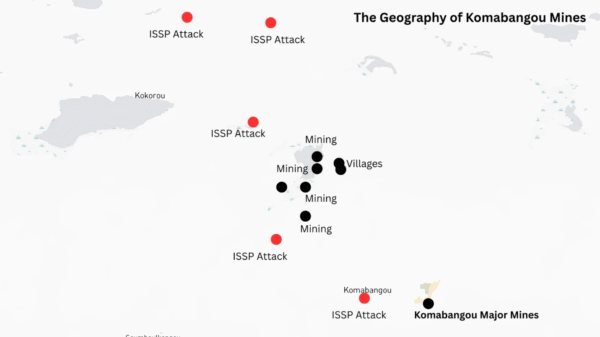
According to Najm al-Din, armed groups do not necessarily finance themselves by directly mining gold. Instead, they impose levies and extort payments from miners, equipment operators and traders working within their areas of influence.
This model allows them to collect revenue at several stages of production and trade while leaving the costs and risks of extraction to local workers.
The researcher links the expansion of these practices to the limited state presence in remote areas, where armed groups exploit insecurity and local grievances to gain a foothold in mining communities. Some extraction sites also become supply hubs and operational bases, combining economic value with military importance.
From Conflict Zones to Commercial Markets
The paper examines how the origins of gold extracted in conflict areas can be obscured as it moves through cross-border trading networks.
Citing the Global Initiative Against Transnational Organized Crime, the author highlights warnings that rising gold prices increase incentives for illicit activity. Conflict gold may enter formal markets through mixing with other production or being classified as recycled gold.
Najm al-Din argues that the proliferation of intermediaries and trading stages makes the metal’s origin harder to trace, allowing local resources to generate revenues that contribute to purchases of weapons and equipment and the continuation of armed operations.
These risks concern the exploitation of supply chains. Artisanal mining or operating outside formal channels is not, in itself, evidence of links to armed groups.
Trade Routes as Instruments of Influence
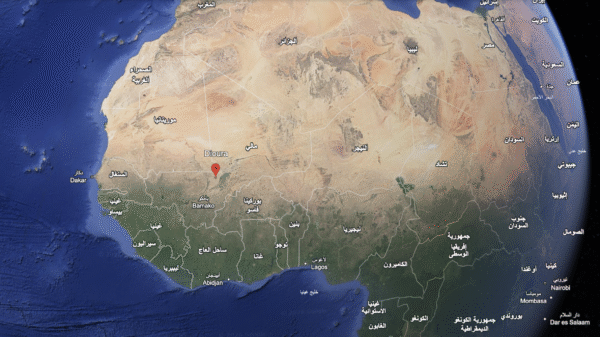
The researcher broadens his analysis to trans-Saharan smuggling corridors, where the gold trade intersects with the movement of fuel, cigarettes and drugs, as well as migrant smuggling.
According to the paper, armed groups and criminal networks exploit historic trade routes and weak border controls to facilitate the movement of goods, fighters and equipment.
The importance of these corridors extends beyond revenue. Najm al-Din explains that control over supply routes allows armed groups to exert pressure on cities and authorities by intercepting convoys and disrupting deliveries.
He presents the blockade of fuel supplies in Mali as an example of how control over commerce can become a means of military and economic pressure, with consequences for residents, productive activity and essential services.
A Response Beyond Military Operations
Najm al-Din argues that the interaction between resources, smuggling and weapons worsens displacement and poverty and weakens sovereignty, as armed groups can replenish their funding even while military campaigns against them continue.
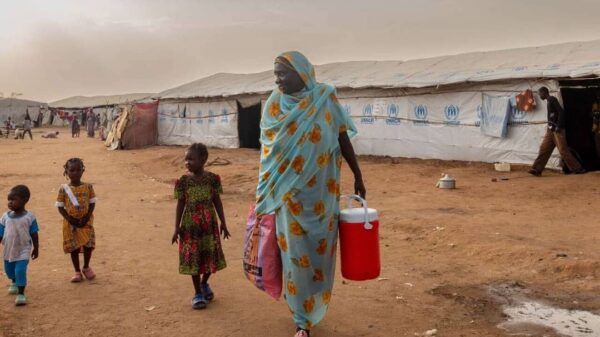
Meanwhile, people dependent on mining and trade face mounting pressures, including extortion, insecurity and the potential loss of their livelihoods through fighting or route closures.
The paper calls for formalising artisanal mining, improving the traceability of gold and oversight of its supply chains, and providing alternative economic opportunities alongside security efforts.
The researcher concludes that weakening armed groups requires addressing their sources of income while protecting local communities from losing their livelihoods. Restoring security also means preventing economic activity from being turned into a means of financing and perpetuating war.