













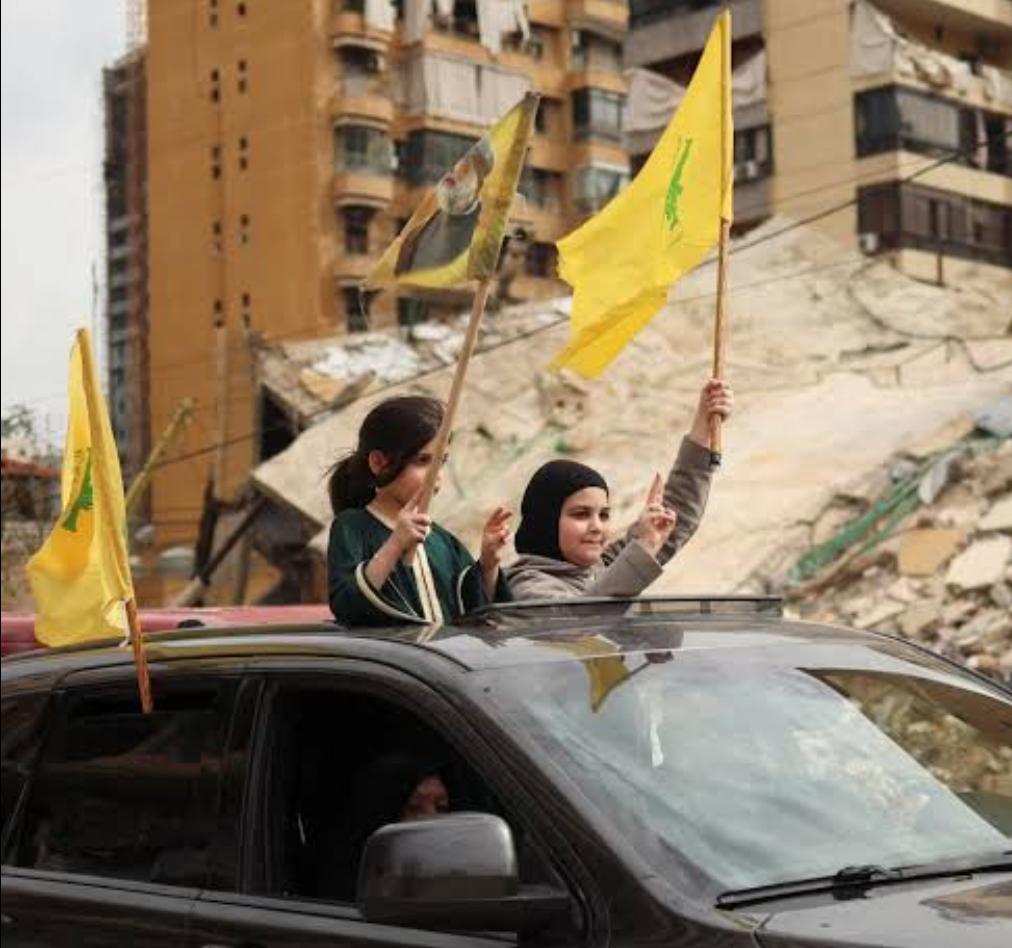
Southern Lebanon is seeing a gradual and cautious return of displaced civilians to their communities, even as security risks persist and military restrictions tighten following a temporary ceasefire between Israel and Lebanon.
Efforts to restore key infrastructure have accelerated, enabling limited movement back into previously inaccessible areas. The Qasmiyeh coastal bridge near Tyre has reopened after emergency repairs, restoring a critical link for civilian access and aid delivery.
Additional routes have also been reopened, including the Nabatieh–Khardali road, while the Burj Rahal–Tyre bridge is partially operational and repair work continues on other damaged crossings.
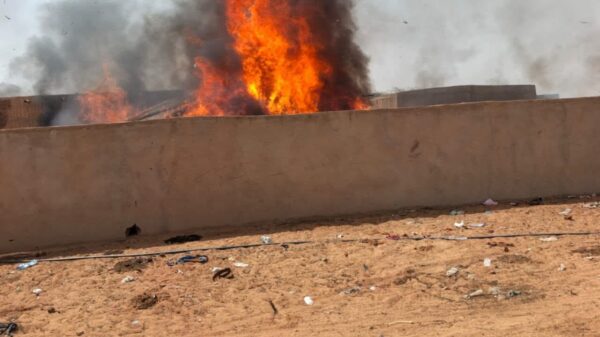
Despite these improvements, authorities warn that several border areas remain unsafe due to ongoing military activity and the presence of unexploded ordnance.
At the same time, Israel has established a new buffer zone inside southern Lebanon, referred to as the “Yellow Line,” which is actively monitored by Israeli forces and treated as a restricted boundary.
Israeli officials say any movement toward the zone is considered a violation, and strikes have already been carried out against targets allegedly approaching the area, while troops remain deployed in parts of the south.
Lebanese authorities have urged residents to delay returning to border villages, citing security concerns and unclear lines of control.
Local actors have also cautioned against large-scale returns, noting that the ceasefire remains temporary and conditions are not yet stable.
Despite the truce, Israeli forces continue limited operations targeting what they describe as military sites, raising concerns about further damage and displacement.
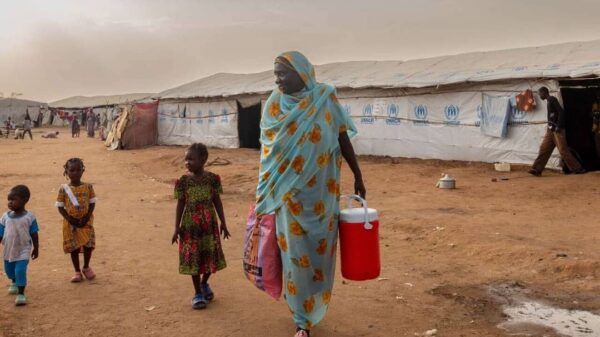
The humanitarian situation remains severe, with thousands killed since the conflict began and more than a million people still displaced.
Many families are adopting partial return patterns, visiting their homes during the day and returning to safer locations at night due to ongoing risks and lack of habitable housing.
Analysts say large-scale resettlement is unlikely in the near term, as unresolved military tensions and uncertainty over the ceasefire continue to shape the situation.