







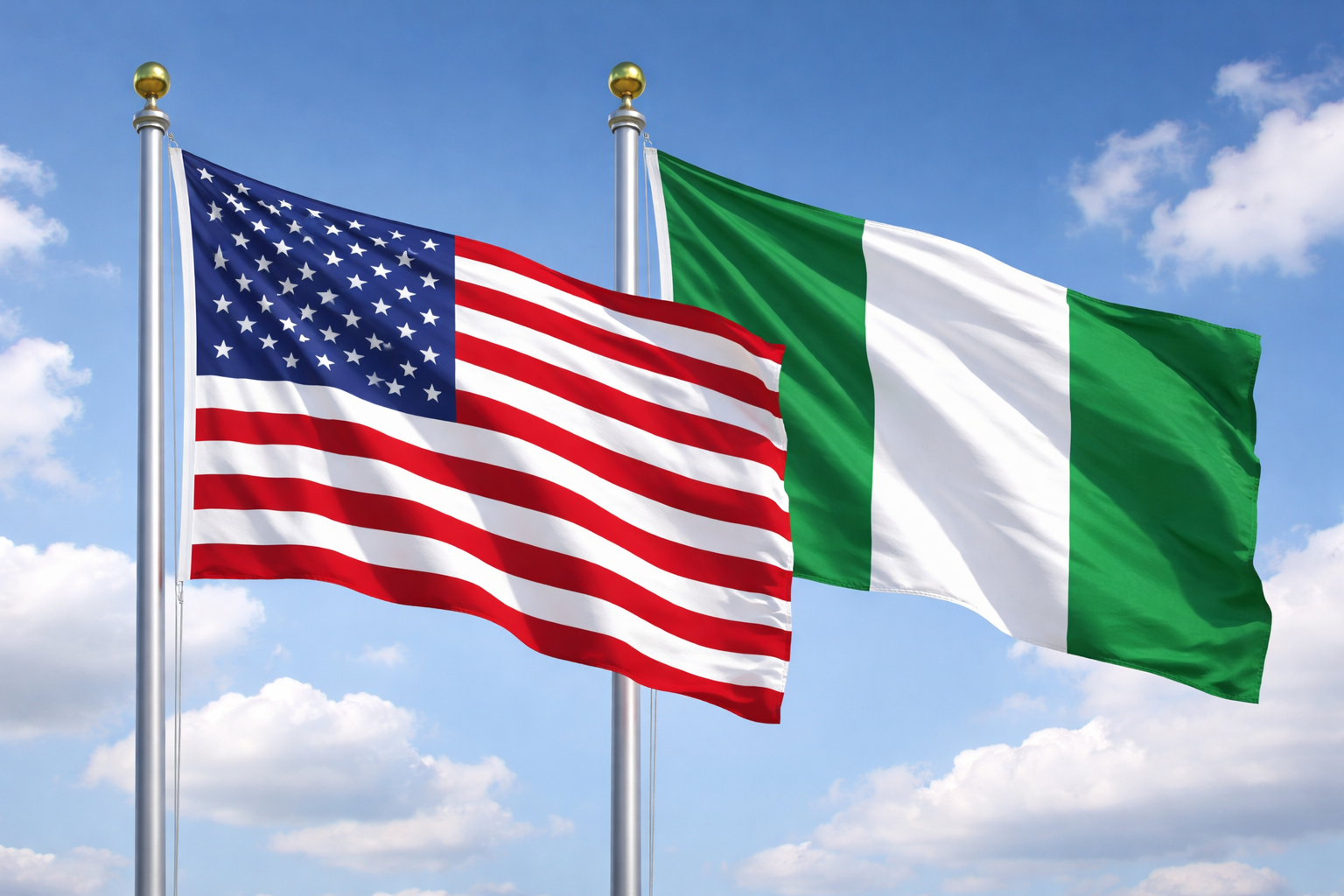
The United States and Nigeria have significantly expanded their military and diplomatic cooperation in January 2026, marking a shift toward more direct and “aggressive” counter-terrorism engagement. Official statements from both governments confirm that recent high-level meetings and joint operations are reshaping security coordination, with a particular focus on combating extremist groups operating across Nigeria’s northwest and northeast regions.
At the center of this renewed partnership is the newly established US–Nigeria Joint Working Group, which convened for its first session in Abuja on January 22. The group was formed following Washington’s designation of Nigeria as a Country of Particular Concern (CPC) under the International Religious Freedom Act, a classification that prompted intensified diplomatic engagement.
The Nigerian delegation was led by National Security Advisor Nuhu Ribadu, while the US delegation was headed by Under Secretary of State Allison Hooker. According to official readouts, discussions focused on reducing violence against vulnerable communities, strengthening protections for religious freedom, and improving the overall security environment. Both sides agreed to deepen cooperation in intelligence sharing, tactical coordination, anti-money laundering efforts, and law enforcement capacity building.
Expanded Military Support and Joint Operations
Military cooperation has accelerated in parallel with diplomatic engagement. On January 26, Lieutenant General John Brennan, Deputy Commander of US Africa Command (AFRICOM), confirmed that the United States is increasing material deliveries, intelligence, surveillance, and reconnaissance (ISR) assistance, and tactical training for Nigerian forces.
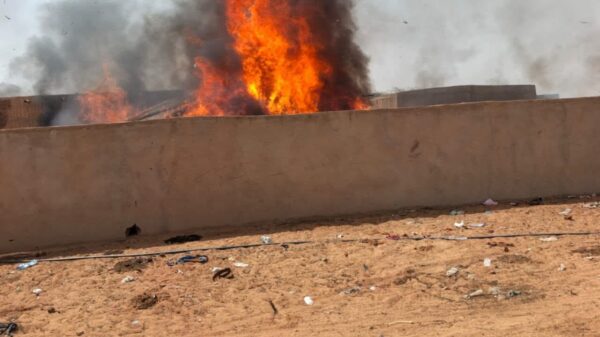
This escalation follows US airstrikes conducted on December 25, 2025, targeting ISIS-linked militants in Sokoto State in northwest Nigeria. US officials described the strikes as precise operations launched at the request of the Nigerian government, aimed at disrupting Daesh (ISIS) cells expanding across the Sahel corridor.
Support is now being directed toward two major Nigerian military campaigns:
- Operation Hadin Kai, focused on the northeast theater
- Operation Fasan Yamma, targeting armed extremist networks in the northwest
AFRICOM has also confirmed assistance in night-vision technology, precision-guided munitions, and enhanced aerial intelligence to improve targeting accuracy and reduce civilian harm during air operations.
Strategic Stakes in West Africa
US officials describe the partnership as part of a broader strategy to prevent extremist spillover from the Sahel region, particularly from neighboring Niger, where ISIS-affiliated groups have expanded their footprint. General Brennan emphasized that Washington views Nigeria as a “security anchor” for West Africa, whose stability is critical to regional counter-terrorism containment.
While small US military teams remain in Nigeria for training and operational assessment, officials have stressed that the American footprint is limited. The mission, they say, is focused on enabling Nigerian forces rather than deploying large numbers of US troops.
Key Security Milestones
- Dec 25, 2025 — US airstrikes target ISIS-linked camps in Sokoto State
- Jan 13, 2026 — AFRICOM delivers critical military materiel to Abuja
- Jan 22, 2026 — US–Nigeria Joint Working Group meets in Abuja
- Jan 26, 2026 — AFRICOM confirms expanded ISR and tactical training support
A New Phase in Bilateral Security Ties
Analysts view the January developments as a decisive turning point in US–Nigeria relations, reflecting Washington’s willingness to engage more directly in partner-led kinetic operations while maintaining a low-profile troop presence. For Nigeria, the partnership offers advanced technology, intelligence access, and international backing as it confronts persistent extremist threats on multiple fronts.
As both governments signal continued commitment to the joint framework, the coming months are expected to test whether intensified cooperation can deliver measurable improvements in security conditions across Nigeria’s most volatile regions.