













Niger’s transitional authorities have announced a major shift in national security policy by authorizing civilian auxiliary forces following a deadly attack in the Tillabéri region that killed 16 civilians.
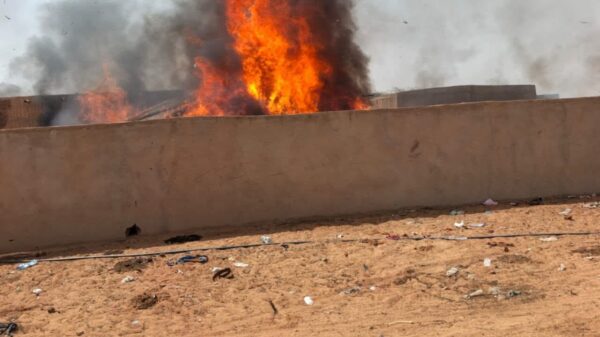
The attack took place in the Banibangou area near the borders with Mali and Burkina Faso where armed militants on motorcycles intercepted a convoy of commercial trucks and executed several men including traders while seizing and burning vehicles.
The region is a known hotspot for extremist groups linked to Al Qaeda and Islamic State highlighting the complexity of the security environment in western Niger.
In response authorities approved the creation of volunteer civilian units that will receive basic military training and support national forces through local defense and intelligence gathering.
The move reflects an expansion of counterinsurgency tactics as the army faces increasing pressure across vast and difficult terrain.
Officials maintain that recent military operations have achieved results including the killing of dozens of suspected militants in recent weeks.
However Niger continues to face a multi front security challenge with ongoing operations in the west and persistent threats in the Diffa region from Boko Haram and Islamic State West Africa Province.
Humanitarian estimates indicate that millions remain displaced across the Lake Chad Basin adding to the strain on national resources.
Analysts warn that arming civilian groups raises concerns over oversight and potential risks despite being viewed as a necessary response to evolving threats.
The Tillabéri region remains on high alert with increased patrols aimed at preventing further attacks.