










The United States and Nigeria have entered a new phase in their security partnership following the delivery of U.S. military equipment to Nigerian forces, deepening cooperation in counter-terrorism operations against insurgent groups operating across Nigeria’s northwest and northeast.
Official statements from U.S. Africa Command (AFRICOM), the U.S. Embassy in Abuja and the Nigerian presidency said the delivery marks a significant shift in bilateral security relations, following unprecedented joint military action, high-level diplomatic engagement and months of political tension between Washington and Abuja.
AFRICOM Delivers Military Supplies
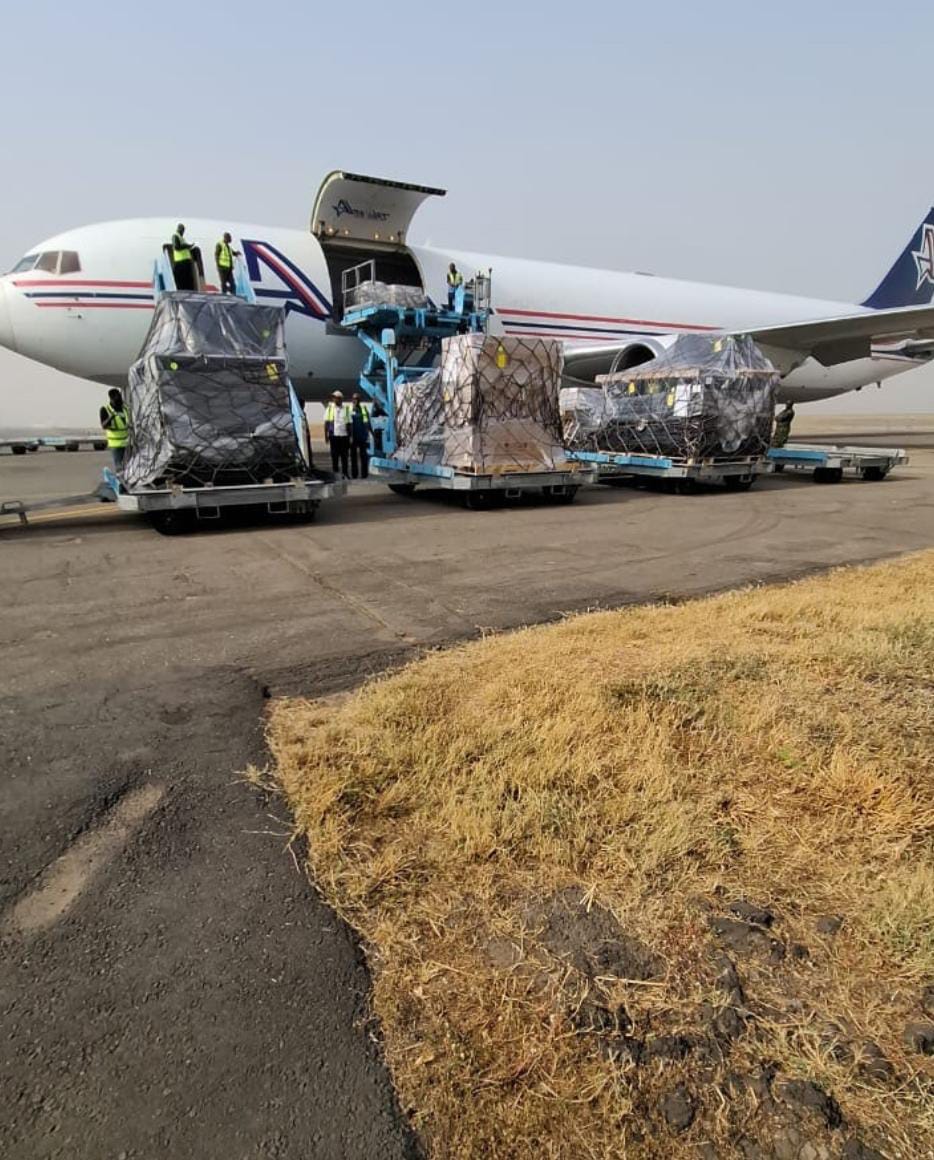
AFRICOM said on Tuesday it had delivered what it described as “critical military supplies” to Nigerian security forces in Abuja. The equipment is intended to support Nigeria’s campaign against the Islamic State West Africa Province (ISWAP) and affiliated militant networks operating across northern Nigeria and the wider Sahel region.
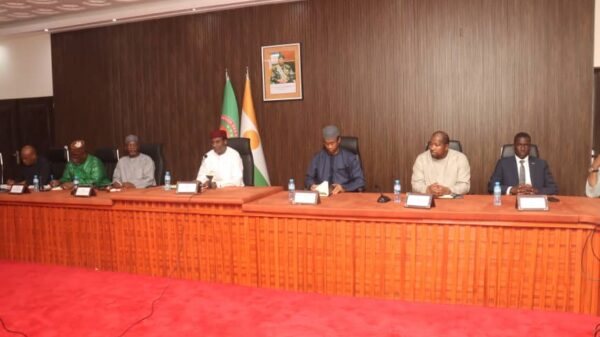
U.S. and Nigerian officials said the delivery followed a November 2025 visit to Washington by a senior Nigerian delegation led by National Security Adviser Nuhu Ribadu, during which Abuja pressed for expedited approval of long-standing defence equipment requests. The transfer signals renewed U.S. readiness to provide direct military hardware after years of limited assistance.
Christmas Day Airstrikes
The delivery follows unprecedented joint military action late last year. On Dec. 25, 2025, U.S. forces carried out airstrikes in the Tangaza area of Sokoto State targeting the Lakurawa insurgent group, which Nigerian officials say has links to Islamic State networks and infiltrated northwestern Nigeria from the Sahel.
Nigeria’s Information Minister Mohammed Idris said 16 precision strikes using guided munitions were conducted during the operation.
Multiple security and diplomatic sources said the strikes were launched from a U.S. Navy warship in the Gulf of Guinea, believed to be the USS Paul Ignatius, using Tomahawk cruise missiles. The operation marked the first publicly acknowledged instance of direct U.S. kinetic action inside Nigerian territory in support of counter-terrorism objectives.
Diplomatic Tensions
The renewed security cooperation follows months of diplomatic strain. In late 2025, the administration of U.S. President Donald Trump designated Nigeria a “Country of Particular Concern” over alleged violations of religious freedom.
Trump publicly described violence in Nigeria as “persecution” and “genocide” against Christians, prompting strong pushback from Nigerian officials. Abuja rejected the characterisation, saying attacks by bandits and jihadist groups affected both Christians and Muslims and were driven primarily by security and socio-economic factors.
Nigerian authorities subsequently launched an intensive diplomatic engagement in Washington, presenting evidence of security sector reforms and counter-terrorism restructuring. By December 2025, both governments said the diplomatic dispute had been resolved, allowing security cooperation to resume on what officials described as a pragmatic, transaction-based footing.
New Operational Framework
Officials said a Joint Working Group has now been established to coordinate intelligence sharing and operational planning. Under the framework, the Nigerian Air Force will lead kinetic strike operations, while U.S. forces provide surveillance, reconnaissance and intelligence support, including drone-based monitoring using Reaper platforms.
The arrangement is intended to preserve Nigerian operational sovereignty while leveraging U.S. intelligence and technological capabilities.
Travel Restrictions
Despite expanded military cooperation, tensions persist. The White House issued Proclamation 10949, which took effect on Jan. 1, 2026, imposing partial travel restrictions on Nigerian nationals over what Washington described as “vetting deficiencies.”
Analysts say the measure underscores a broader U.S. “carrot-and-stick” approach, combining defence cooperation with political pressure on governance and security reforms.
Strategic Implications
The developments reflect Washington’s efforts to counter the expansion of Islamic State-linked groups in West Africa and to prevent instability in Nigeria, Africa’s most populous country, from spilling across regional borders.
For Nigeria, the partnership offers access to advanced military support at a time of persistent security challenges. Whether the new framework delivers sustained battlefield gains while easing diplomatic frictions remains uncertain, but both governments appear committed to a pragmatic alliance shaped by shared security priorities.