









The escalating regional conflict that began in late February has spilled far beyond military and diplomatic arenas, disrupting international sport and forcing organizers to reconsider schedules, venues and security arrangements.
The closure of key airspaces and the targeting of major aviation hubs in the Gulf have severely affected travel logistics, leaving athletes, officials and support staff stranded while governing bodies scramble to adapt their competition calendars.
Across football, motorsport, tennis and cricket, the ripple effects are threatening tournaments and reshaping the global sporting calendar months before several major international events.
International football has been among the hardest hit.
Preparations for the upcoming global tournament scheduled for June in North America have been thrown into uncertainty after Iranian football authorities indicated that the national team may withdraw because of the conflict and security concerns.
Officials said contingency planning has begun to identify a replacement team if the withdrawal becomes official, as tournament organizers attempt to maintain the competition structure.
Another high-profile match between the national teams of Argentina and Spain, originally scheduled to take place at Lusail Stadium in Qatar, is also facing uncertainty. European football officials said a decision on relocating the fixture to another European city could be taken within days.
Meanwhile, Asian club competitions have suspended all fixtures involving western regional teams indefinitely, including several prominent knockout matches involving leading clubs from Saudi Arabia.
Motorsport organizers have also been forced into emergency adjustments as airspace restrictions across the Gulf disrupted global logistics.
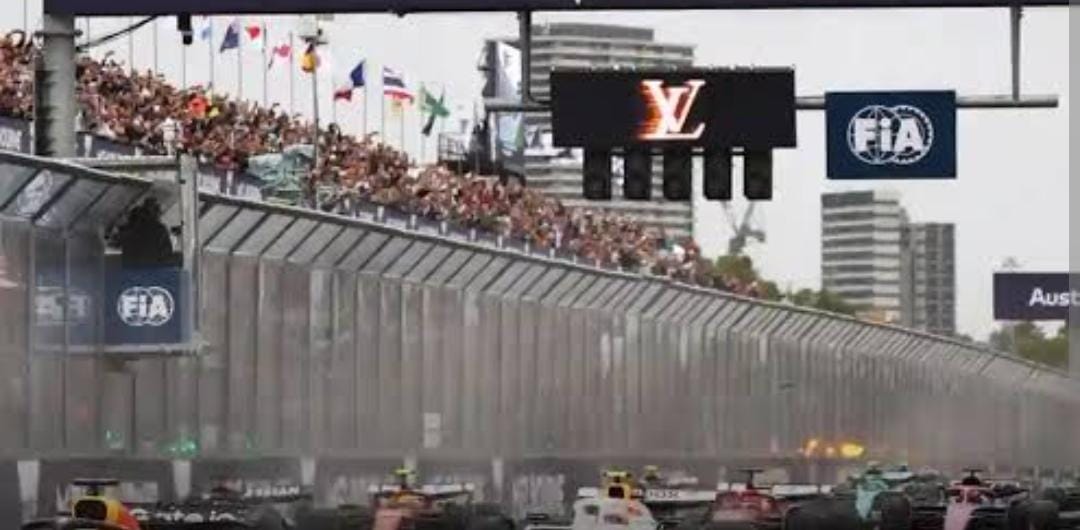
The opening race of the Formula One season in Melbourne is expected to proceed only after a large emergency transport operation that rerouted more than two thousand personnel and hundreds of team staff through alternative flight paths.
Several members of a major European racing team were stranded in Doha for days before evacuation flights were arranged.
In endurance racing, the opening round of an international championship scheduled at Lusail International Circuit has been postponed because of security concerns.
A major tire manufacturer also canceled a planned testing session at a Bahrain circuit after regional security alerts intensified.
The shutdown of aviation corridors across the Gulf has stranded athletes in multiple countries.
In tennis, a challenger tournament in Fujairah was abruptly canceled after debris from a drone interception caused a fire near the venue, forcing players and officials to evacuate on a charter flight arranged by organizers.
In badminton, an Olympic medalist from India withdrew from a major international tournament after becoming stranded at Dubai International Airport before eventually returning home.
Cricket has also felt the impact. Players from several national teams remained temporarily stuck in India after their elimination from an international tournament because usual travel routes through Gulf airline hubs became unavailable.
Governments and airlines have issued sweeping travel advisories as the security situation deteriorates.
The United States raised its travel advisory to its highest level for multiple countries across the region, urging citizens to avoid travel due to the security risks.
British authorities issued similar guidance, advising against all but essential travel and prompting the cancellation of many leisure trips for the coming days.
Airlines across the region suspended most commercial flights while maintaining limited repatriation services from major airports in the Gulf.
Sports analysts say the crisis could mark the beginning of a prolonged period in which geopolitical tensions increasingly shape global sport.
With several major international competitions approaching, governing bodies now face unprecedented logistical and political challenges as they attempt to ensure athlete safety while preserving the continuity of global sporting events.