

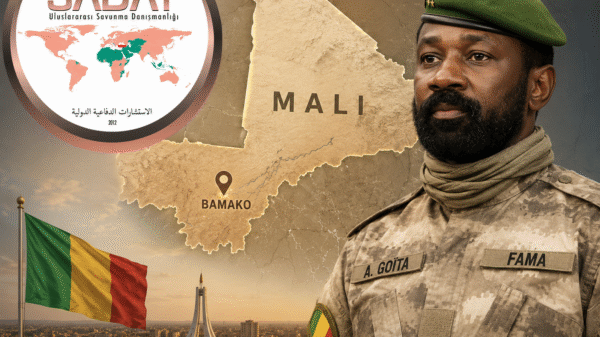






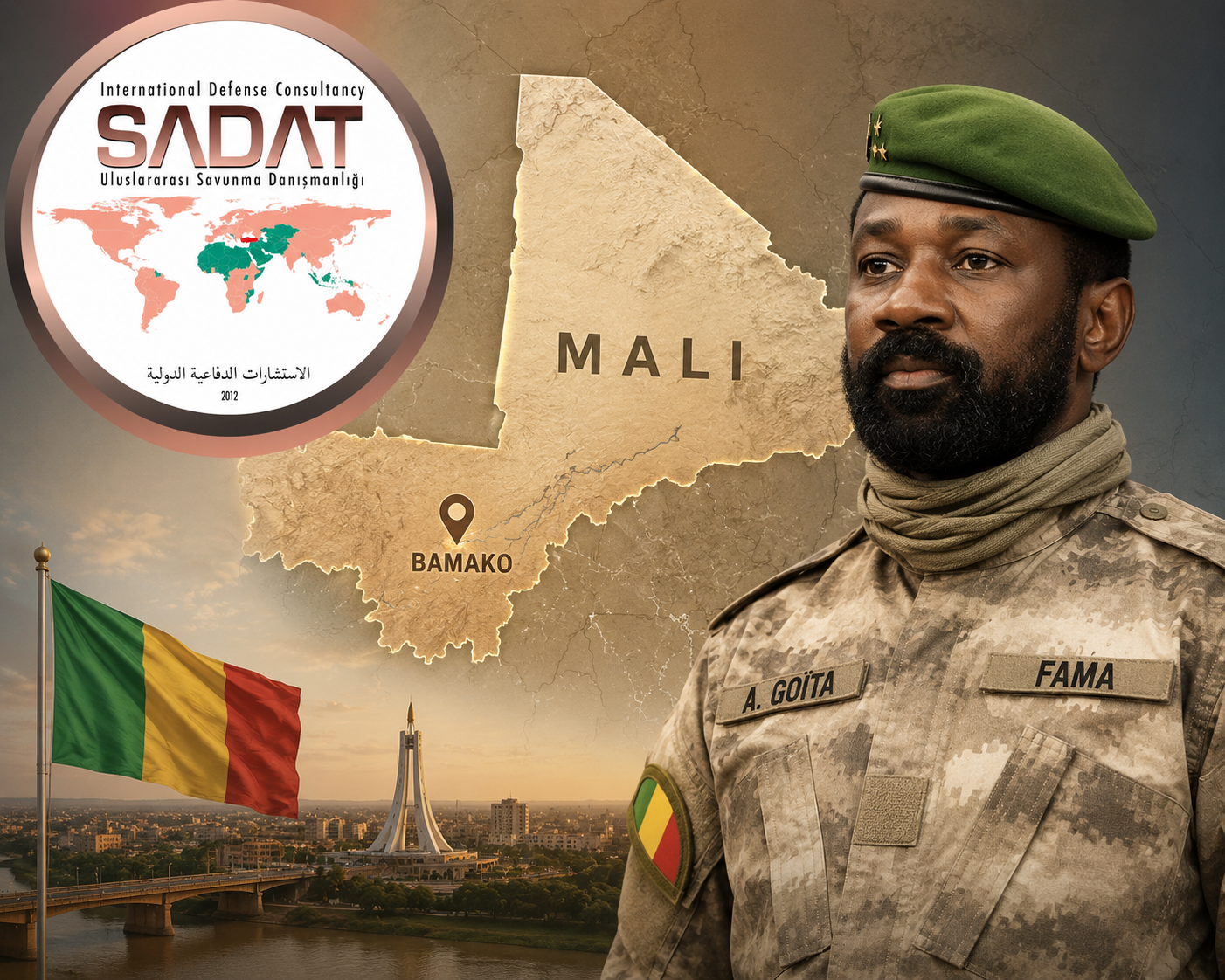
The growing presence of SADAT International Defense Consultancy in the Sahel, particularly in Mali, has attracted increasing attention from security analysts and diplomats as Bamako’s military leadership seeks to diversify its security partnerships beyond its long-standing reliance on Russia.
Founded in 2012 by retired Turkish General Adnan Tanrıverdi, a former military adviser to President Recep Tayyip Erdoğan, SADAT is often described in Western and regional security circles as Turkey’s equivalent of a private military contractor operating in conflict zones.
Why Is SADAT Called “Turkey’s Wagner”?
Analysts argue that SADAT’s role resembles that of Russia’s Wagner Group in several respects.
Just as Wagner served as a vehicle for expanding Russian influence abroad while maintaining a degree of official deniability, SADAT is viewed by some observers as an instrument through which Turkey can project military and political influence while avoiding direct state involvement.
Several reports also claim that the company has relied on transnational recruitment networks involving security contractors and fighters from pro-Turkish Syrian factions for overseas missions.
The April 25 Attacks and a Security Turning Point
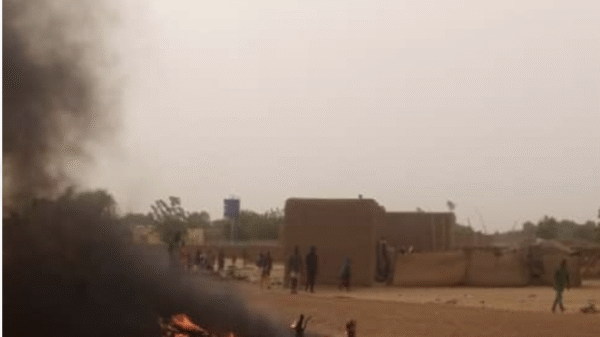
The coordinated attacks that struck Mali on April 25, 2026, marked a significant turning point for the country’s security establishment.
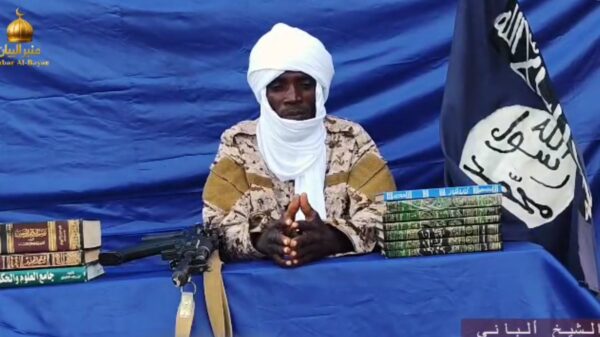
The operations, attributed to a battlefield alliance between Jama’at Nasr al-Islam wal-Muslimin (JNIM) and the Azawad Liberation Front (FLA), targeted strategic locations in and around Bamako, including the Kati military base, a key pillar of President Assimi Goïta’s security architecture.
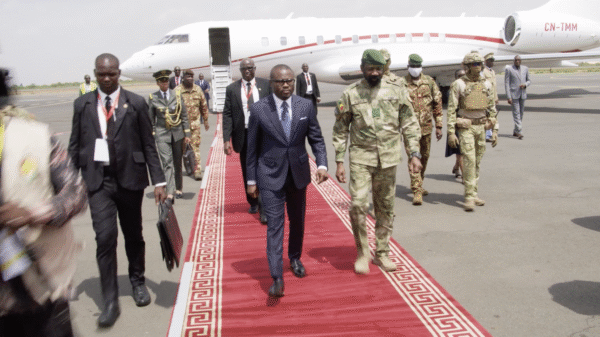
The attacks exposed vulnerabilities within Mali’s security apparatus and prompted a reassessment of presidential protection arrangements.
SADAT’s Reported Role Around the Presidency
Neither the Malian authorities nor the Turkish government have officially acknowledged the exact scope of SADAT’s activities in Mali.
However, security assessments suggest that the company is involved in presidential security consulting, intelligence support, secure communications, and crisis-management planning.
Some analysts believe SADAT has contributed to strengthening protected communication systems and counter-surveillance capabilities while advising on close-protection measures for senior officials.
Turkish Drones at the Center of the Partnership
Turkey’s expanding influence in Mali is closely linked to the growing deployment of Turkish-made drones, particularly the Bayraktar platform.
According to several reports, SADAT has played a role in technical training, operational support, and the development of local capabilities linked to drone warfare, surveillance, and electronic systems.
The company is also believed to contribute to the protection of military facilities associated with Mali’s evolving air capabilities.
Protecting Strategic Economic Interests
SADAT’s reported activities extend beyond the purely military sphere.
Analysts note that Turkish security personnel and contractors are increasingly involved in protecting Turkish investments, infrastructure projects, and strategic economic interests across Mali and neighboring Sahel states.
How Does SADAT Differ from Wagner?
Experts point to several distinctions between the two organizations.
While Wagner became associated with numerous allegations of human rights abuses in several African countries, SADAT has primarily been linked to training, advisory, and technical-support missions.
The company also benefits from Turkey’s broader narrative of partnership with Muslim-majority countries and South-South cooperation, which may provide it with greater political and social acceptance in parts of the Sahel.
Conclusion
The evolution of Mali’s security partnerships reflects broader geopolitical changes across the Sahel.
While Russia remains a major military actor through the Africa Corps, Turkey appears to be building a quieter but increasingly influential presence based on military technology, security consulting, and the protection of strategic assets and political leadership.
The extent of SADAT’s future role will likely depend on the trajectory of Mali’s security crisis and the ability of the country’s authorities to confront persistent insurgent threats across the north and center of the country.