





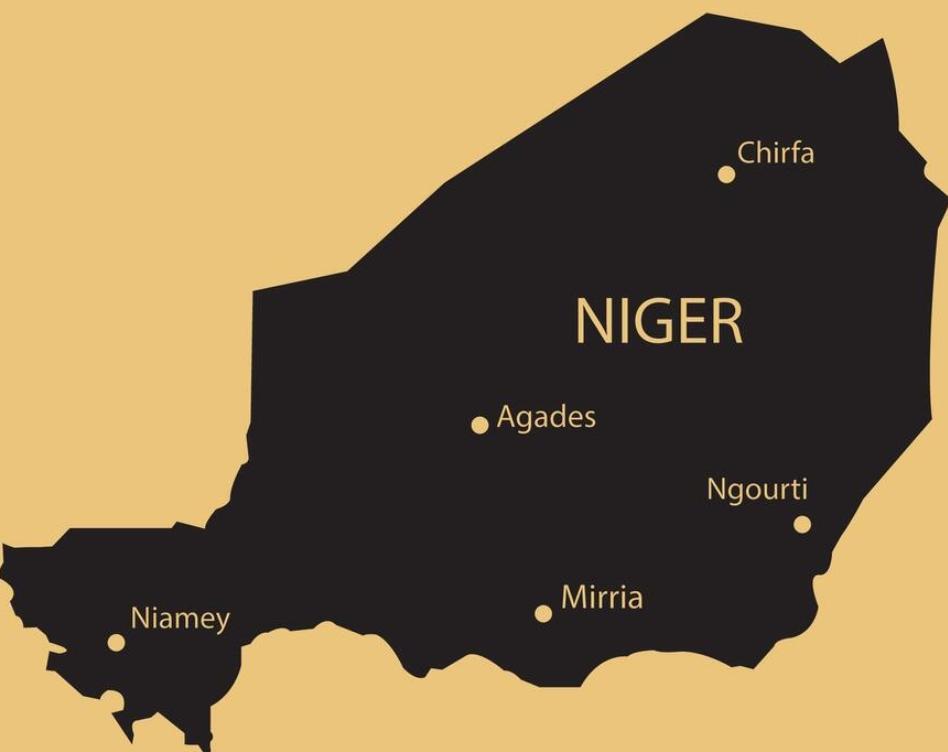
Niger’s military authorities have suspended several French and international media outlets in a move that highlights the widening diplomatic and ideological divide between the Alliance of Sahel States and France. According to official announcements from the national communications regulator, the decision takes immediate effect and applies to traditional broadcasting, digital platforms, satellite services, websites, and mobile applications.
The measures target a wide range of French-linked media organizations, including television channels, radio networks, news agencies, and digital publications. Authorities said the restrictions are aimed at protecting public order, national unity, and social cohesion, language increasingly used across the region to justify tighter control over information and public discourse.
The decision comes days before an upcoming African summit aimed at redefining relations between France and African countries through economic cooperation and renewed diplomatic engagement, a timing observers view as deliberate.
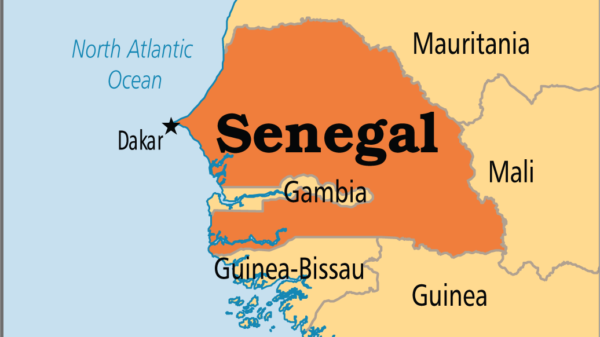
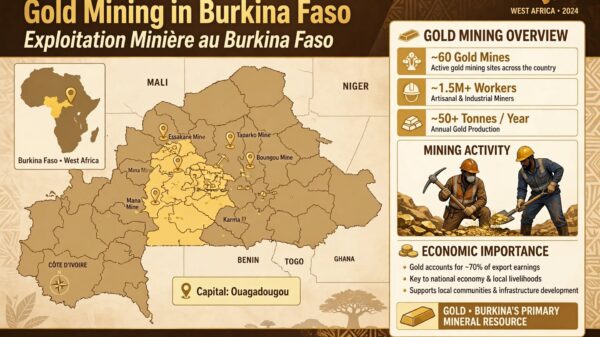
The Alliance of Sahel States, comprising Niger, Mali, and Burkina Faso, has increasingly positioned itself in opposition to French political, military, and media influence. By expanding restrictions on French media ahead of the summit, Niger is reinforcing its broader narrative against what it describes as foreign interference and neo-colonial influence.
The move also reflects closer alignment with regional allies. Mali previously suspended French media outlets, while Burkina Faso has taken similar steps, signaling a broader regional trend of limiting Western media presence.
Since taking power following a political transition in 2023, Niger’s authorities have repeatedly accused foreign media of spreading disinformation and attempting to destabilize the country. Officials argue that stricter media oversight is necessary amid ongoing military operations against armed groups active in the Sahel.
Analysts say the measures also reflect efforts by military-led governments to control narratives surrounding security operations, political transitions, and foreign relations.
The restrictions have significantly reduced access to independent international reporting within Niger, as the presence of some foreign media continues to decline.
At the same time, international media outlets linked to new strategic partners, including non-Western countries, have expanded their presence, reflecting shifting geopolitical dynamics.
This development is part of a broader realignment in the Sahel, where governments are distancing themselves from traditional partners and strengthening ties with new allies, particularly in security and economic sectors.
In recent months, these countries have withdrawn from regional security frameworks backed by external partners and are developing new cooperation mechanisms within their alliance.
Observers say the media suspensions are not only domestic regulatory actions but also part of a wider geopolitical transformation reshaping regional power dynamics.
As tensions between Sahel states and France continue to rise, control over information and media influence is becoming a central element of the region’s political evolution.