











Namibia’s central bank has lowered its economic growth forecasts, as persistent weakness in the mining sector and rising external risks continue to weigh on the country’s economic outlook.
In its latest projections, the bank expects real GDP to grow by 2.6% in 2026 and 2.9% in 2027, marking a notable downward revision from earlier estimates.
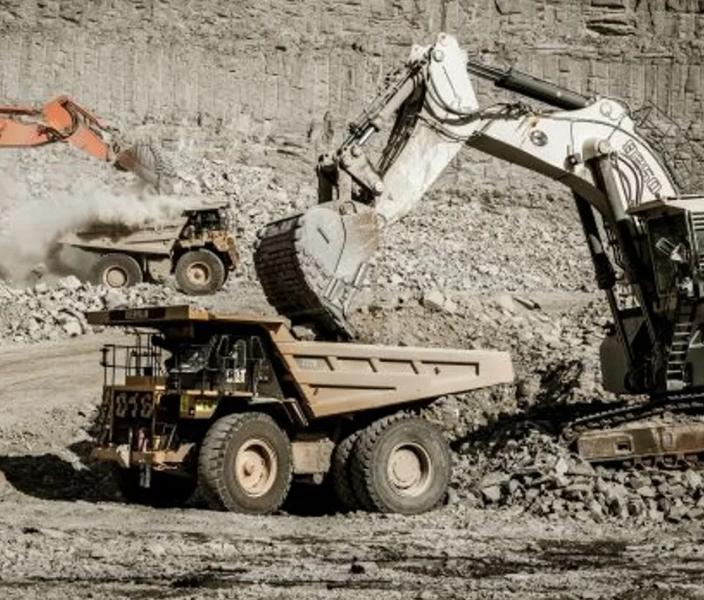
The downgrade is largely driven by a contraction in primary industries, particularly mining, where declining metal output and continued weakness in the diamond sector are constraining overall economic performance.
The global diamond market remains under pressure due to subdued demand, especially from China, increased competition from synthetic diamonds, and high inventory levels, all of which are affecting export revenues.
Despite these challenges, uranium production continues to provide support to economic activity, while non-primary sectors such as construction, financial services, electricity and water supply, and public administration are showing resilience.
These sectors are expected to help cushion the impact of mining losses, allowing the economy to maintain moderate growth in the near term.
However, the central bank warned of several downside risks, including regional agricultural threats such as foot-and-mouth disease outbreaks in neighboring countries, as well as global economic volatility and geopolitical tensions that could influence prices.
The bank said economic performance will remain closely tied to developments in the mining sector, particularly global commodity demand, adding that sustained recovery will depend on improved external conditions and continued momentum in domestic sectors.