
















The repatriation of a Cambodian national has brought renewed scrutiny to a controversial agreement between the United States and Eswatini involving third country deportations.
The individual had been held for several months in a high security detention facility before being released and transferred onward as part of a complex relocation process.
His detention without criminal charges in Eswatini has raised legal concerns about the basis of confinement under the bilateral arrangement.
The agreement allows Eswatini to receive individuals deemed undesirable by US authorities particularly from countries without direct repatriation agreements.
Several groups of deportees have been transferred under the program with others still detained and facing uncertain timelines.
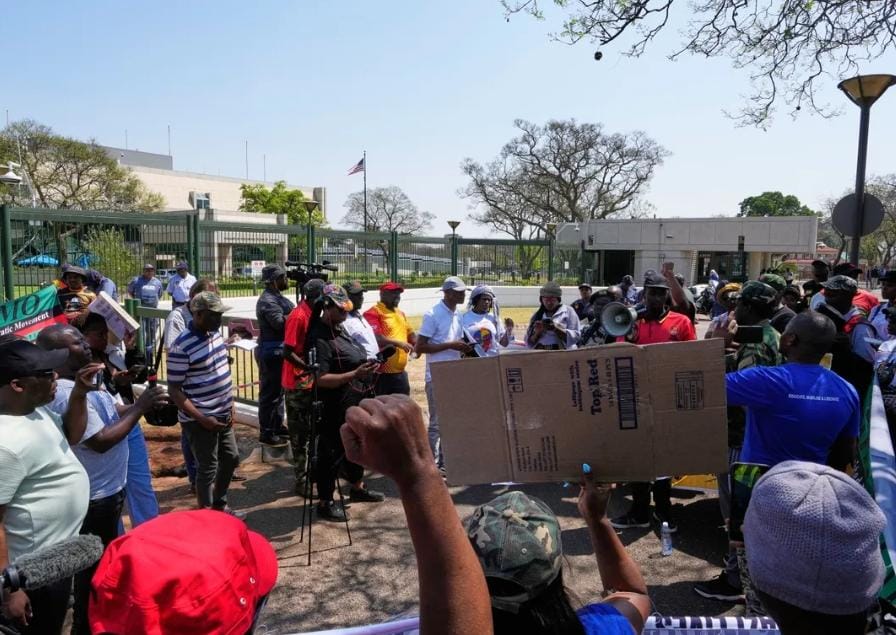
Human rights organizations have criticized the scheme arguing that it involves detention without due process.
Legal complaints have been filed at regional level alleging violations of fundamental rights including protection from arbitrary detention.
Domestically the agreement remains contested with ongoing legal challenges leaving its status unresolved.
The case highlights broader complexities in international deportation practices involving third country arrangements.
Analysts warn that such policies raise serious questions about accountability and human rights protections.
The agreement is likely to remain under close international scrutiny.