









The massacre in the villages of Woro and Noku in Nigeria’s Kwara State has sent shockwaves across the country, with at least 162 people killed in a coordinated attack that ranks among the deadliest this year, highlighting a dangerous shift from banditry and kidnappings to mass executions.
Local witnesses and traditional authorities said gunmen rounded up residents, tied their hands and carried out field executions. An unknown number of villagers remain missing after fleeing into surrounding forests, including the area’s traditional leader.
Extreme brutality and intimidation
Accounts from the ground describe an attack marked by extreme cruelty, including victims burned alive inside locked shops. Analysts say the violence appears designed to instill fear and deter resistance in nearby communities.
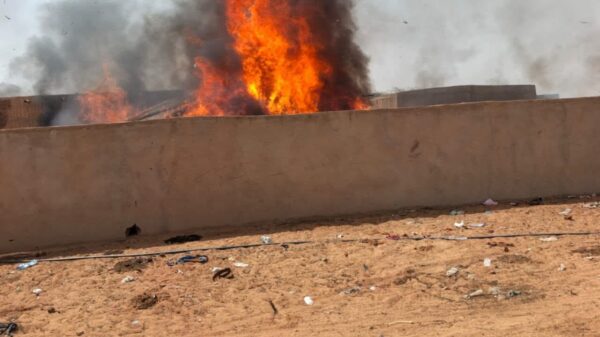
Residents believe the attack was triggered by the villages’ refusal to allow militants to conduct religious teachings locally, a move the armed group reportedly viewed as open defiance. After the massacre, attackers attempted to return several times before resorting to improvised explosive devices to destroy infrastructure on the outskirts.
Heavy toll and mass displacement
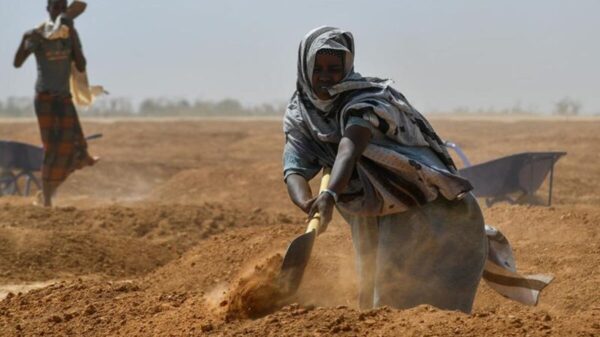
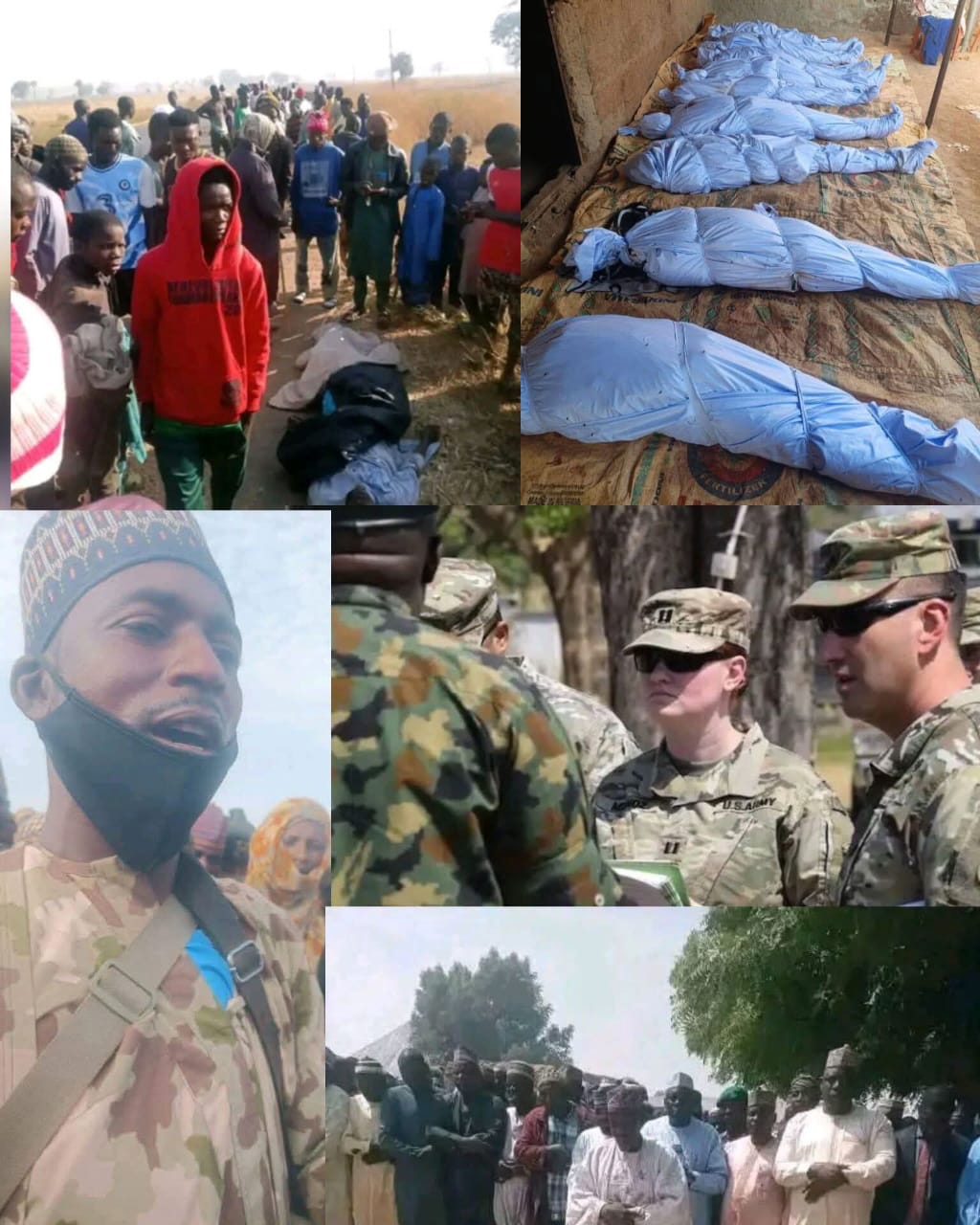
Local estimates put the death toll above 200. At least 120 victims were buried in a single mass grave due to the scale of killings and limited resources. Although most residents were Muslim, Christian victims were buried alongside them, underscoring the indiscriminate nature of the violence.
Dozens of women and children were abducted, with their fate still unknown.
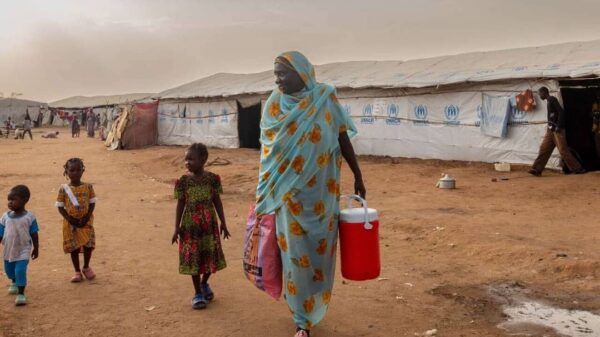
Woro has effectively become a ghost town, shrinking from a population of around 17,000 to fewer than 200 residents. Friday prayers were held in a nearly empty mosque, dominated by shock and grief.
Part of a broader escalation
The Kwara killings mark the peak of an escalation that began in late 2025. Armed groups attacked schools in Kebbi and Niger states in November, killing staff and abducting more than 330 students and teachers. In December, a U.S. air strike in Sokoto coincided with Christmas-period violence in Niger State that killed about 50 people.
January 2026 saw deadly attacks on farmers in Niger and Borno, as well as mass kidnappings from churches in Kaduna. In February, assaults expanded to hospitals and police facilities, with more than 180 deaths recorded in Kwara and Katsina within days.
Rise of Lakurawa group
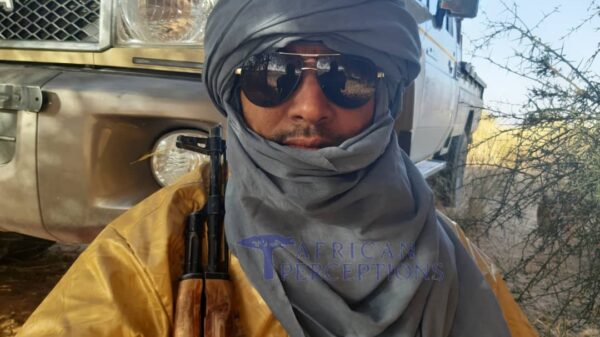
Authorities blame the Lakurawa group, linked to Islamic State, for the Woro and Noku massacre. Analysts say the group has evolved from a border-based faction into a regional force capable of coordinated mass killings.
The strategy has shifted toward scorched-earth tactics—destroying villages, burning crops and executing community leaders to impose control and depopulate rural areas.
Limits of military response
Nigeria’s military has intensified operations in forests between Kwara and Niger states, reporting dozens of militant deaths. However, analysts note that vast forests and porous borders continue to offer armed groups room to maneuver, limiting the impact of air power alone.
Strategic implications
The Woro and Noku massacre underscores a qualitative shift in Nigeria’s security threat, with mass killings emerging as a tool of domination. Observers warn that unless addressed through a comprehensive rural security strategy, the violence could open a new arc of instability stretching from the northwest into the country’s west-central regions.