









The war in Ukraine remains locked in a high-intensity stalemate as it approaches its fourth year, with mounting battlefield losses and shifting diplomatic efforts highlighting the conflict’s deepening human and geopolitical costs.
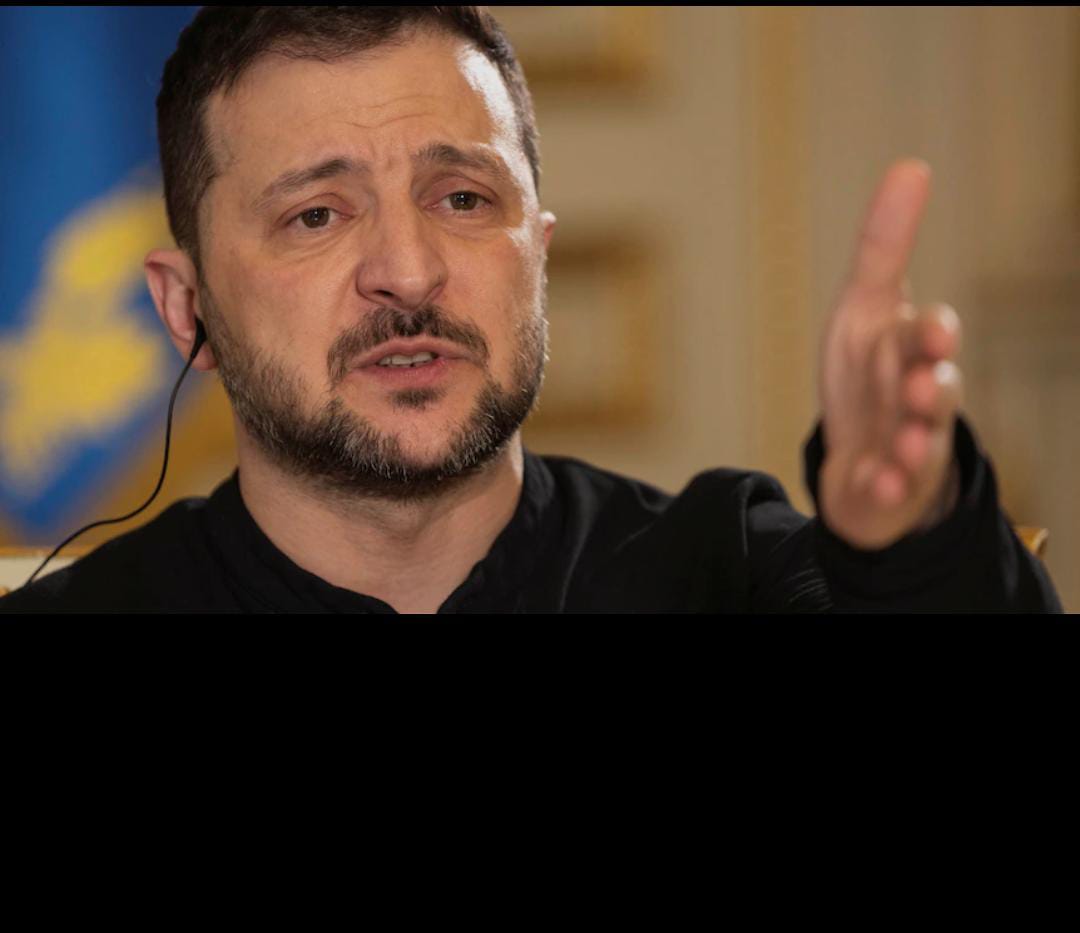
In an interview broadcast this week on France 2, Ukrainian President Volodymyr Zelensky said at least 55,000 Ukrainian soldiers have been killed since Russia launched its full-scale invasion in February 2022. The figure marks a sharp increase from the 46,000 deaths Zelensky cited in early 2025 and reflects the sustained intensity of fighting, particularly along the eastern front.
Zelensky also said a “large number” of Ukrainian troops remain missing in action, adding to uncertainty for families and pressure on Ukraine’s military institutions. The casualties include both professional soldiers and conscripts mobilized during the war.
Growing Rift Over Engagement With Moscow
Zelensky’s remarks underscored a growing strategic divergence between Kyiv and several European partners, particularly France, over how to deal with Moscow.
French President Emmanuel Macron has confirmed preparations to reopen direct dialogue with Russian President Vladimir Putin, arguing that Europe must maintain its own diplomatic channels rather than relying solely on U.S.-led efforts. As part of this initiative, Macron’s senior diplomatic adviser Emmanuel Bonne held talks in Moscow on February 3 with senior Kremlin officials, including presidential aide Yuri Ushakov.
Zelensky reacted cautiously, warning that Putin seeks to “humiliate Europe.” He said European democracies are not prepared to confront a Russian leader who, in his words, “does not respect the rules of war.”
The Ukrainian leader contrasted Moscow’s posture toward Europe with its stance toward Washington, saying Putin appears to respect U.S. President Donald Trump but is “not afraid of the Europeans.”
Abu Dhabi Talks Yield Limited Progress
While Zelensky was speaking to French media, technical-level talks involving Ukraine, Russia, and the United States were taking place in the United Arab Emirates. Delegations met in Abu Dhabi on February 4–5 in what officials described as trilateral discussions focused on practical issues.
Ukraine’s delegation was led by Defense Minister Rustem Umerov, while the U.S. side included Special Envoy Steve Witkoff and former presidential adviser Jared Kushner. Ukrainian officials described the first day of talks as “substantive,” citing progress on prisoner exchanges and possible steps toward limited military de-escalation.
Significant differences remain. Russia continues to demand that Ukraine cede the entire Donbas region, a condition Kyiv has rejected. Ukrainian negotiators have instead proposed freezing the conflict along current frontlines and ruled out territorial concessions.
Military assessments covering January 6 to February 3 show Russian forces gained approximately 123 square miles. Attacks on energy infrastructure have resumed after a brief pause in late January. Civilian casualties continue to rise, with around 70 reported killed inside Russia in 2026 and substantially higher numbers in Ukraine.
The Kremlin has indicated no immediate shift in strategy. Presidential spokesman Dmitry Peskov said this week that military operations will continue until Russia’s objectives are achieved.
A Prolonged Conflict
Zelensky’s updated casualty figures and renewed diplomatic maneuvering underscore the reality facing Ukraine and its partners: negotiations remain possible, but the gap between positions is wide and the fighting shows little sign of easing.
As Europe debates its role and Washington retains leverage, the human cost continues to grow, cementing the war in Ukraine as one of the defining security crises of the decade.