






South Africa’s decision to withdraw its troops from the United Nations mission in the Democratic Republic of the Congo by the end of 2026 marks a significant recalibration of its foreign and security policy, ending nearly three decades of continuous involvement in UN peacekeeping operations in the country.
The move reflects mounting pressure on the South African National Defence Force (SANDF), as well as growing doubts within Pretoria about the effectiveness and sustainability of large-scale UN peacekeeping deployments in increasingly hostile environments.
Strained Military Capacity
Official statements frame the withdrawal as a process of “resource consolidation and realignment,” but analysts say it underscores deeper structural challenges facing the SANDF. Chronic underfunding, ageing equipment and prolonged overseas deployments have eroded the military’s operational readiness.
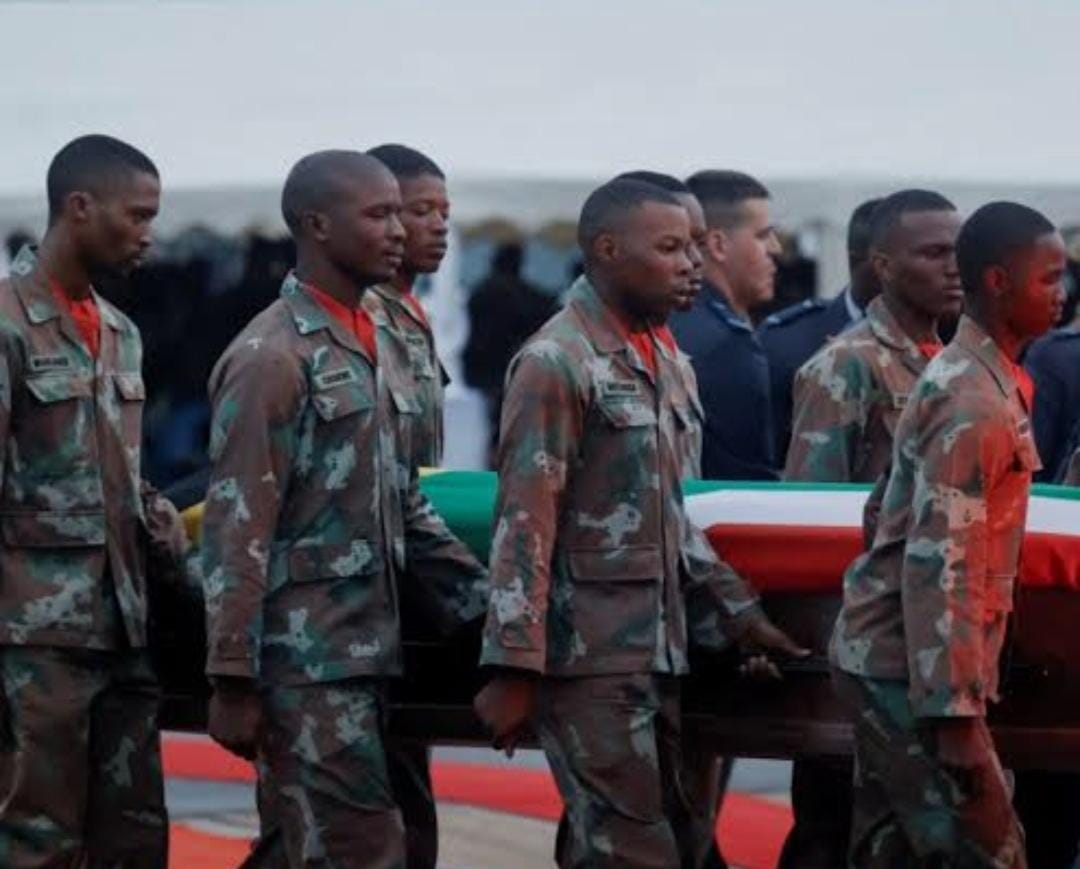
These pressures came sharply into focus in 2025, when South African forces suffered significant casualties in regional missions, including the deaths of 17 soldiers under a Southern African Development Community (SADC) deployment. The losses intensified domestic debate over whether South Africa’s international military commitments exceed its current capabilities.
Deteriorating Security in Eastern Congo
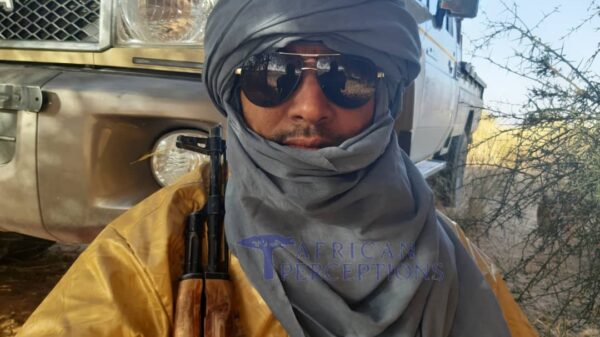
The security environment in eastern Congo has become increasingly lethal, further shaping Pretoria’s calculus. Armed groups, particularly the M23 rebellion, have demonstrated greater tactical sophistication, including the use of drones and coordinated assaults on strategic infrastructure.
For troop-contributing countries such as South Africa, the shift has blurred the line between peacekeeping and active combat, raising questions about whether MONUSCO’s mandate and force posture remain fit for purpose in a conflict that shows few signs of de-escalation.
From UN Missions to Regional Frameworks
Rather than a wholesale retreat from the DRC, South Africa’s withdrawal from MONUSCO signals a preference for regional security mechanisms over UN-led operations. Pretoria has confirmed it will maintain its role within the SADC Mission in the DRC (SAMIDRC), aligning its military engagement more closely with regional partners and political objectives.
This shift mirrors a broader trend among African states, which increasingly view regional coalitions as more responsive and politically aligned than multinational UN missions constrained by complex mandates and slow decision-making processes.
Implications for MONUSCO and the Region
South Africa’s exit adds to the challenges facing MONUSCO, which is already undergoing a gradual drawdown amid calls from the Congolese government for a reduced UN footprint. The departure of a well-equipped and experienced contingent raises questions about the mission’s remaining deterrence capacity at a time of escalating violence.
For Pretoria, the decision marks the end of one of its longest-standing international military engagements, reflecting a strategic retrenchment driven by domestic constraints and a reassessment of how best to contribute to regional stability.
As the withdrawal unfolds, attention will turn to whether regional forces can fill the security gaps left by MONUSCO’s gradual disengagement—and whether South Africa’s pivot toward regional missions proves more sustainable in the long term.