






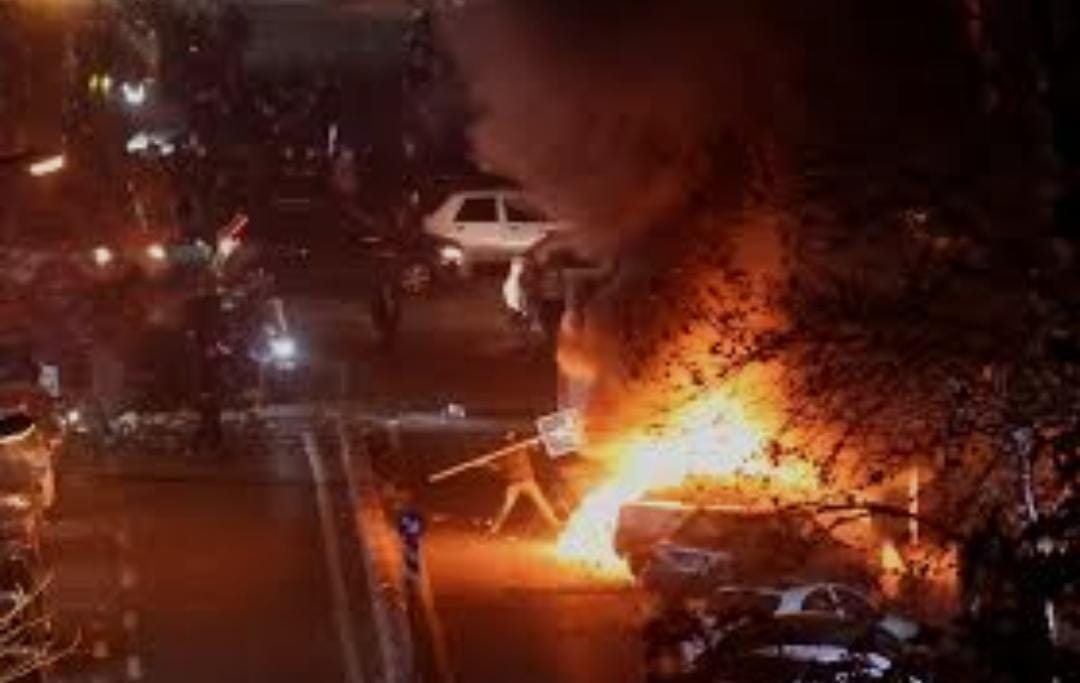
Iran is facing an escalating human rights crisis following a wave of deadly protests that erupted in late 2024 and peaked in early January 2026, according to a detailed report by Al Jazeera. The unrest has exposed a widening credibility gap between official government accounts and figures released by international observers and human rights organizations.
Conflicting Death Tolls Raise Alarms
At the center of the controversy is the number of people killed during what Iranian authorities describe as “anti-establishment” protests. The government has acknowledged 3,117 deaths, attributing the fatalities to “terrorists” and “foreign-backed enemies.”
Independent organizations, however, report significantly higher numbers. The U.S.-based Human Rights Activists News Agency says it has verified 6,872 deaths and is currently investigating more than 11,000 additional cases. The United Nations, citing incoming reports gathered despite widespread internet shutdowns, estimates that the death toll may exceed 20,000.
Government “List” Fuels Public Anger
In response to growing criticism, the administration of President Masoud Pezeshkian released a partial list containing 2,986 names of those killed. Instead of easing tensions, the move intensified anger among victims’ families and civil society groups.
Families say many confirmed victims are missing from the list, while others report duplicate names and a lack of information regarding the circumstances of death. Authorities have also refused to differentiate between protesters and security personnel in official figures, while continuing to deny allegations of state misconduct, including reports of hospital raids.
Further fueling outrage are allegations that authorities demanded payments from families in exchange for returning the bodies of deceased relatives—claims the government has not formally addressed.
Journalists and Artists Break the Silence
The report highlights growing internal dissent, particularly among journalists and cultural figures. Parisa Hashemi, a journalist with the reformist daily Ham-Mihan, publicly challenged a government spokesperson, asking why no officials had resigned after what she described as “rivers of blood” and mass killings.
In a rare protest from Iran’s arts community, prominent actress Elnaz Shakerdoost announced her retirement from cinema, saying she would no longer work in a country that “smells of blood.”
Adding to the contradictions, Iran’s Martyrs Foundation classified 2,427 of those killed as “innocent,” directly challenging repeated official claims that the majority of protesters were armed extremists backed by foreign powers.
A Crisis of Legitimacy
Iran is now confronting what analysts describe as a crisis of legitimacy. While the government has launched an online portal for families to submit missing names and announced an internal fact-finding process, critics argue these steps are intended to deflect public anger rather than ensure accountability.
International pressure continues to build. The United Nations Security Council has convened emergency discussions, while the United States has issued renewed warnings amid heightened regional tensions and economic uncertainty.
As scrutiny intensifies domestically and internationally, the Iranian authorities face mounting demands to reconcile their official narrative with the scale of loss documented by independent and international bodies—demands that show no sign of diminishing.