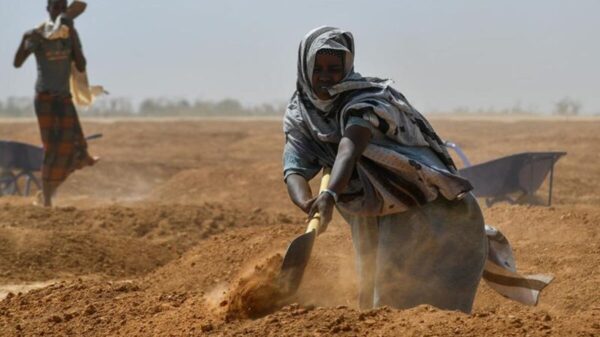












Floods battering South Africa have become one of the most dangerous natural disasters the country has faced in recent years, prompting the government to declare a national disaster as heavy rains caused widespread human and material losses.
Legal framework and large-scale response
South Africa’s president declared a national disaster to allow emergency budget allocations and enable military and emergency services to intervene without administrative restrictions. The crisis is concentrated mainly in the country’s northeast, particularly in Limpopo and Mpumalanga provinces, as well as parts of KwaZulu-Natal.
Casualties and damage
Official reports confirm that at least 37 people have been killed in South Africa as of Sunday evening, with dozens still missing after being swept away by floodwaters.
Kruger National Park recorded the largest tourist evacuation in its history, with military helicopters rescuing more than 200 tourists and staff after rivers overflowed inside the park and main access roads were cut.
The floods also caused the collapse of more than 12 vital bridges and destroyed hundreds of homes, especially in rural areas relying on mud-built structures.
Scientific and climate causes
Meteorologists link the crisis to the ongoing La Niña phenomenon, which has brought above-average rainfall, leaving soils saturated and unable to absorb additional water.
Scientific reports from the Intergovernmental Panel on Climate Change have also connected the severity of the flash floods to rising temperatures in the nearby Indian Ocean.
Regional impact
South Africa is not alone, as neighbouring countries have been affected by the same weather system. In Mozambique, authorities reported 103 deaths from flooding of rivers shared with South Africa, while Zimbabwe announced 70 fatalities and widespread destruction of agricultural crops.
Warnings and guidance
Authorities warned residents and travellers to avoid mountainous roads, particularly in Mpumalanga province, due to the high risk of landslides. They also advised against drinking tap water in affected areas without boiling it first, because of possible contamination from sewage systems.