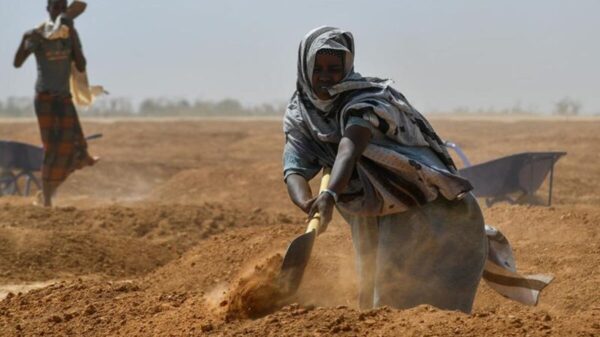








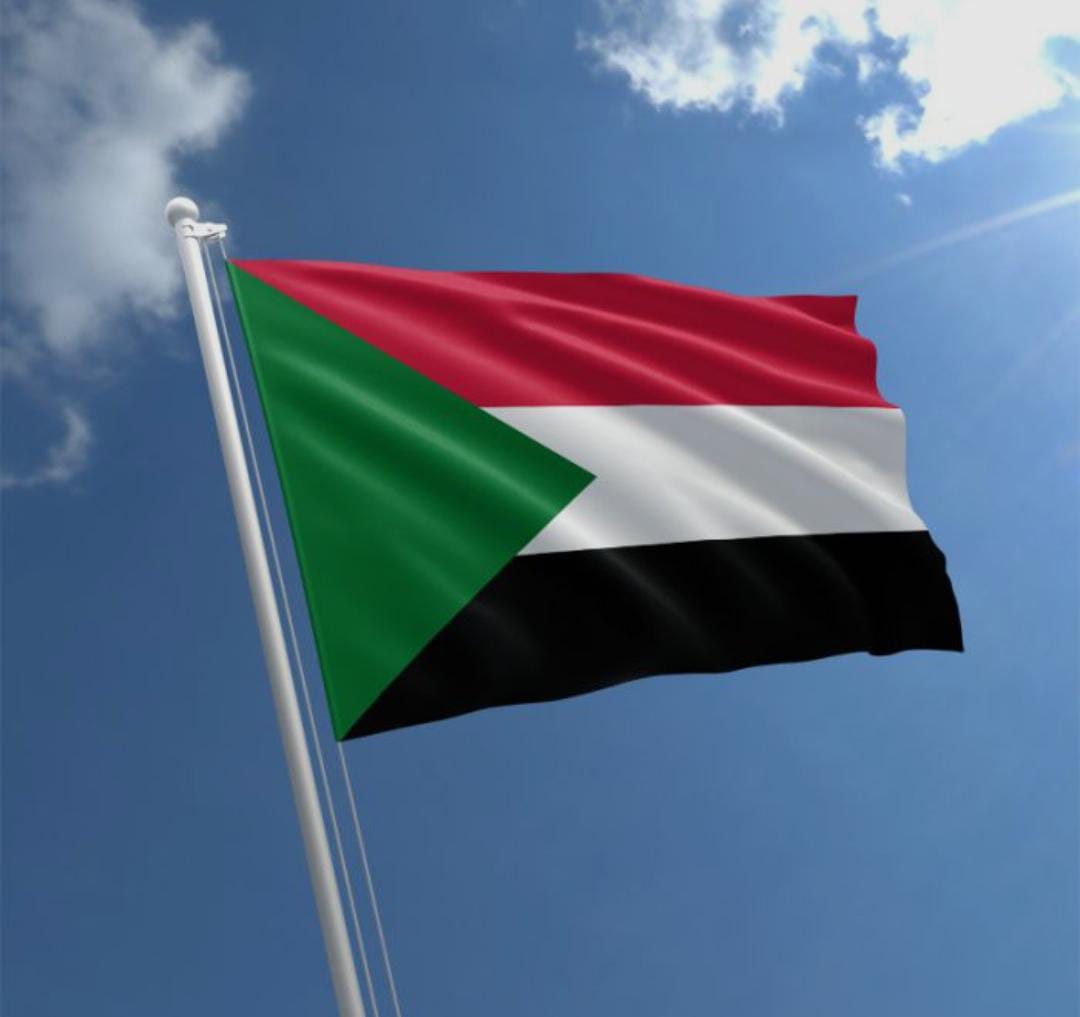
As Sudan’s devastating conflict enters its 1,000th day this month, international organizations have issued stark new warnings that the country now faces the world’s most severe humanitarian and protection crisis. Updated assessments from the United Nations (UN), World Health Organization (WHO), and International Criminal Court (ICC) paint a picture of widespread displacement, systematic sexual violence, collapsing health infrastructure, and mounting evidence of war crimes.
The war, which erupted in April 2023 between the Sudanese Armed Forces (SAF) and the Rapid Support Forces (RSF), has fractured the nation and left millions trapped between frontlines, famine, and disease. UN officials say the scale and brutality of violations now rival the darkest chapters of Sudan’s past conflicts.
Sexual Violence Used as a Weapon of War
UN human rights investigators report that sexual and gender-based violence has become a calculated tactic of warfare, particularly in Darfur. A December 2025 report by the Office of the High Commissioner for Human Rights (OHCHR) documented mass sexual violence during an RSF offensive on Zamzam Internally Displaced Persons (IDP) Camp in April 2025.
According to the report, at least 104 survivors — including 75 women, 26 girls, and three boys — were subjected to gang rape, sexual enslavement, and other forms of abuse over three days. Most victims belonged to the Zaghawa ethnic group, reinforcing concerns of ethnically targeted violence.
Sudan’s Ministry of Social Affairs has recorded approximately 1,800 cases of conflict-related sexual violence, though UN agencies warn this represents only a fraction of actual incidents due to stigma, fear of retaliation, and lack of reporting access. UNICEF estimates that more than 765,000 women and girls required urgent gender-based violence response services in early 2025 alone.
On January 19, 2026, the ICC Deputy Prosecutor told the UN Security Council that sexual violence in Sudan appears to be part of an “organized and calculated campaign,” occurring systematically across towns in Darfur. The ICC has classified emerging evidence as potentially constituting crimes against humanity.
Displacement and Famine Reach Catastrophic Levels
The humanitarian emergency has escalated sharply. Joint data from the International Organization for Migration (IOM) and WHO released on January 9, 2026, indicate that nearly 15 million people — almost one in three Sudanese — have been displaced by the conflict.
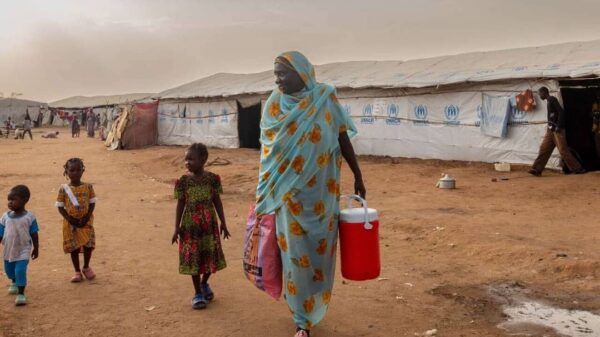
Of these, approximately 11.58 million are internally displaced, while an estimated four million have fled to neighboring countries, primarily Chad, Egypt, and South Sudan. The UN reports that 33.7 million people — more than half of Sudan’s population — now require humanitarian assistance.
Famine has been confirmed in Zamzam Camp, with additional famine conditions expected in El Fasher and Kadugli through early 2026. Aid agencies warn that restricted humanitarian access and ongoing fighting continue to obstruct relief deliveries to the most affected regions.
Health System “Imploded” Amid Targeted Attacks
The WHO has described Sudan’s health system as having “effectively imploded.” Since the war began, the organization has verified 201 attacks on healthcare facilities, resulting in at least 1,858 deaths among patients and medical staff.
Roughly 37 percent of health facilities nationwide are no longer operational. In active conflict zones, nearly 80 percent of medical infrastructure has collapsed. The destruction has fueled widespread disease outbreaks, with cholera reported in all 18 Sudanese states, malaria in 16 states, and dengue fever in 14.
Medical workers report severe shortages of supplies, electricity, and clean water, compounding mortality rates among displaced and malnourished populations.
War Crimes Investigations Underway
Accountability mechanisms are now advancing. The ICC has confirmed it is analyzing video and satellite evidence from Al Fasher, captured by RSF forces in late October 2025, allegedly showing executions of non-Arab civilians and desecration of bodies.
Meanwhile, the UN Human Rights Council has extended the mandate of the Independent International Fact-Finding Mission for Sudan through October 2026. The mission aims to establish a judicial record for future war crimes prosecutions.
UN High Commissioner for Human Rights Volker Türk described Sudan’s current reality in January 2026 as “horror and hell,” warning that prolonged international inaction has allowed “cruelty to become entrenched as the order of the day.”
A Crisis With No End in Sight
Diplomatic efforts to secure a lasting ceasefire have repeatedly stalled, while humanitarian agencies warn that without urgent international intervention, mortality from hunger and disease may soon surpass deaths from direct violence.
As Sudan marks 1,000 days of war, aid officials emphasize that the world faces a narrowing window to prevent further mass atrocities — and to ensure accountability for those already committed.