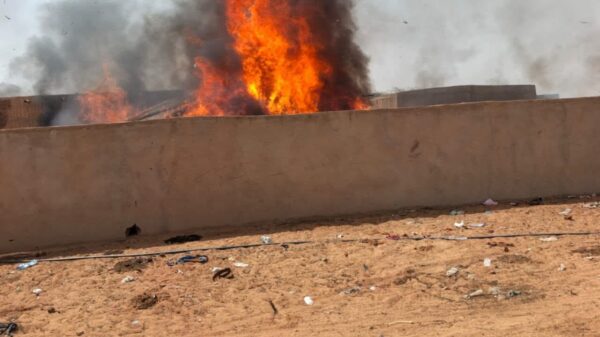









Iran is experiencing one of its most serious waves of domestic unrest in years, as anti-government protests entered their second week on Friday and spread across all 31 provinces, underscoring the depth of the country’s political and economic crisis.
The demonstrations began in late December amid the sharp collapse of the national currency and worsening living conditions. They have since evolved into broader protests challenging the political establishment, with demonstrators in major cities and provincial towns chanting slogans directed at senior political and clerical figures.
Internet Blackout and Security Crackdown
As the protests intensified, authorities imposed what internet monitoring group NetBlocks described as a near-total nationwide internet shutdown, severely restricting access to social media and messaging platforms commonly used to organize demonstrations and share information.
Human rights organizations, including Iran Human Rights (IHR) and the Human Rights Activists News Agency (HRANA), report that at least 45 protesters have been killed since the unrest began, among them at least eight minors. More than 2,200 people have reportedly been arrested.
Rights groups accuse security forces of using excessive force, including live ammunition, mass detentions, and nighttime raids. They also allege that injured protesters were arrested from hospitals while receiving treatment—claims the United States has said could amount to crimes against humanity.
Iranian authorities have not released comprehensive casualty figures and have blamed “foreign enemies” for inciting the unrest, a charge they routinely level during periods of internal instability.
Post-War Economic and Political Strain
The protests are unfolding against a backdrop of heightened national vulnerability. Iran is still grappling with the aftermath of a brief but intense 12-day conflict with Israel in the summer of 2025, which included U.S. air strikes on Iranian nuclear facilities. The confrontation further strained an economy already weakened by years of sanctions, high inflation, and capital flight.
Analysts say the sharp depreciation of the rial, rising unemployment, and cuts to subsidies have fueled public anger, particularly among young people and urban workers.
Calls for a General Strike
The unrest has renewed attention on opposition figures abroad. Reza Pahlavi, the exiled son of Iran’s last shah, has called for nationwide strikes and sustained civil resistance, urging the international community and technology companies to help Iranians bypass internet restrictions.
Activists inside and outside Iran have also called for a general strike on Friday, aiming to disrupt economic activity and demonstrate the breadth of opposition to the government. The extent of participation remains difficult to verify due to the communications blackout.
International Reaction
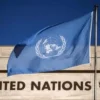
International concern has mounted as reports of casualties and arrests grow. United Nations Secretary-General António Guterres said he was “deeply saddened” by the loss of life and urged Iranian authorities to respect the right to peaceful assembly and freedom of expression.
The United States has adopted a sharper tone. President Donald Trump warned that Washington would “hit Iran very hard” if Iranian authorities carried out mass killings of demonstrators. European governments have called for restraint and accountability, though no coordinated international action has been announced.
Uncertain Outlook
With internet access still largely restricted and security measures tightened, the full scale and trajectory of the protests remain difficult to assess. What is clear is that Iran has entered a period of heightened uncertainty, with sustained nationwide demonstrations, a heavy security response, and an economy under severe pressure—factors that could shape the country’s political trajectory in the months ahead.