






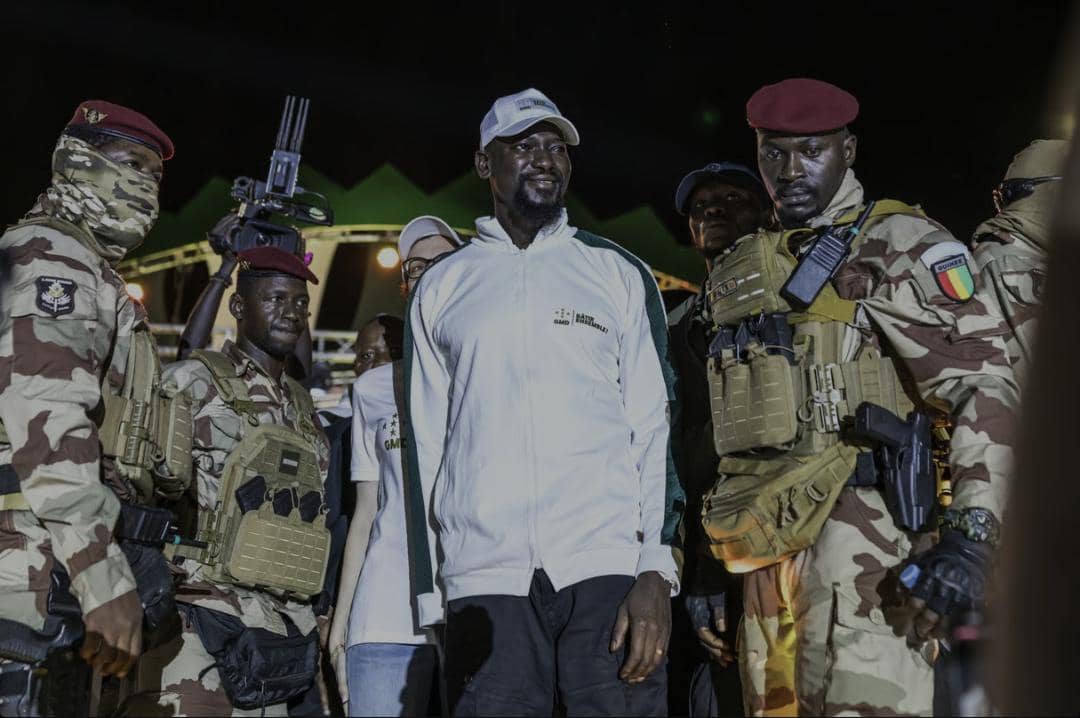
Guinea is entering one of the most fragile political phases in its recent history after the official confirmation of General Mamadi Doumbouya’s victory in the December 28, 2025 presidential election. The ruling, validated by the Supreme Court on January 5, 2026, has failed to calm tensions and has instead crystallized a multidimensional crisis marked by electoral disputes, questions over the president’s health, and emerging fractures within the ruling establishment.
Judicial Endorsement Under Fire
The Supreme Court dismissed all appeals filed by opposition parties, upholding results announced by the Directorate General of Elections (DGE) that declared Doumbouya the winner by a wide margin. Opposition leaders, however, have rejected the verdict, accusing authorities of engineering a tightly controlled electoral process dominated by security forces, restricted campaigning conditions, and unequal access to state media.
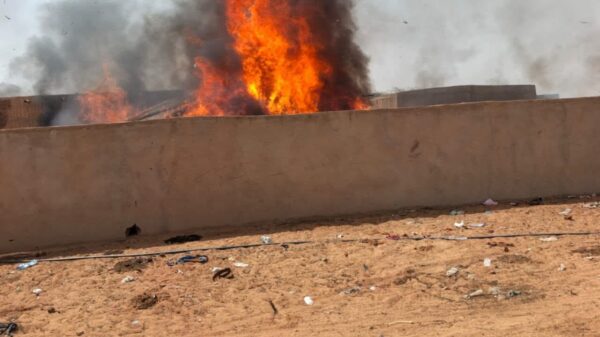
Sporadic tensions have been reported in parts of Conakry and several regional towns, reflecting a deepening public mistrust toward institutions tasked with overseeing and arbitrating the electoral process.
Health Concerns and Power Opacity
Alongside the electoral controversy, persistent questions have emerged regarding the health of the newly confirmed president. Doumbouya’s limited public appearances in recent days have fueled speculation and rumors, amplifying perceptions of opacity at the highest level of the state during a critical transition period.
Authorities have urged calm and dismissed the claims as disinformation, but have released few details capable of fully dispelling doubts.
Internal Fractures and Regional Watchfulness
Signs of internal strain are also beginning to surface within the state apparatus, according to political and security sources. Disagreements over the management of the transition, the formation of the next government, and the future role of the military in civilian governance are reportedly widening.
Regional partners and international observers are monitoring developments closely, calling for restraint, dialogue, and respect for commitments made during Guinea’s transition roadmap.
A Transition Under Pressure
In the short term, Guinea’s central challenge will be restoring a minimum level of political and social trust. Without credible gestures toward inclusion and transparency, the presidential victory—legally confirmed but politically contested—risks remaining fragile, potentially exposing the country to prolonged instability.
If you want, I can:
- Produce a Breaking News version (120–150 words)
- Rewrite this in Reuters / AP / BBC tone
- Add a regional security or ECOWAS angle
- Optimize it for SEO and homepage placement