






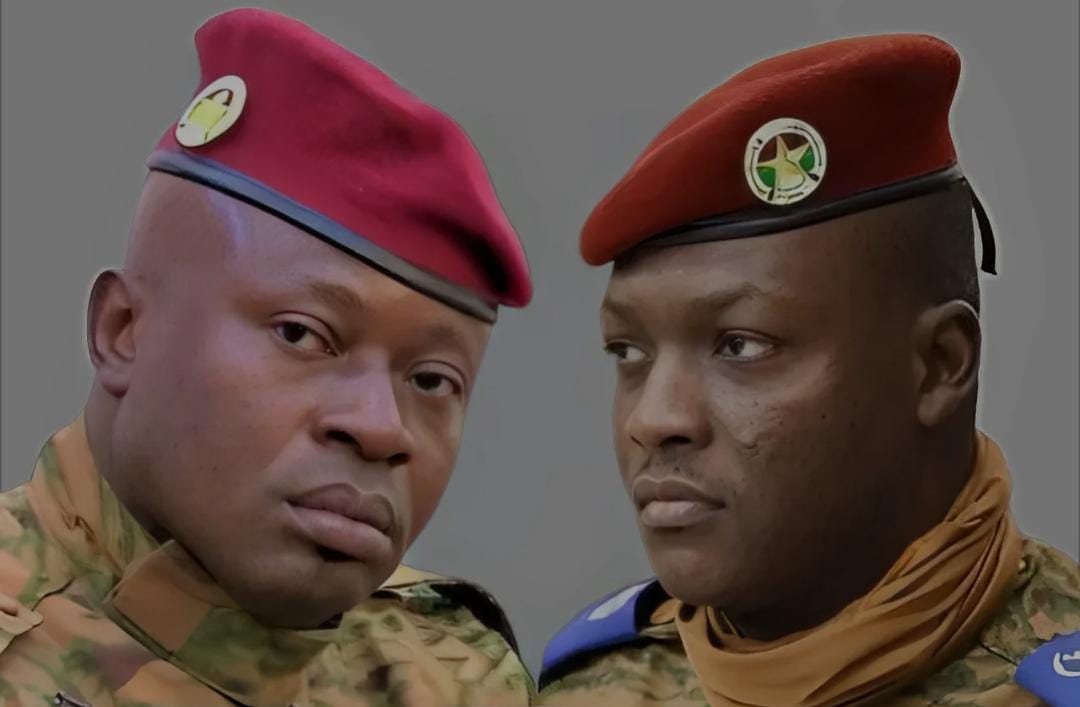
Authorities in Burkina Faso say they have thwarted what they describe as a large-scale attempt to destabilize the transitional government of Captain Ibrahim Traoré, accusing a network of exiled figures, military officers, and civilians of planning a coordinated overthrow.
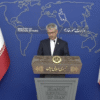
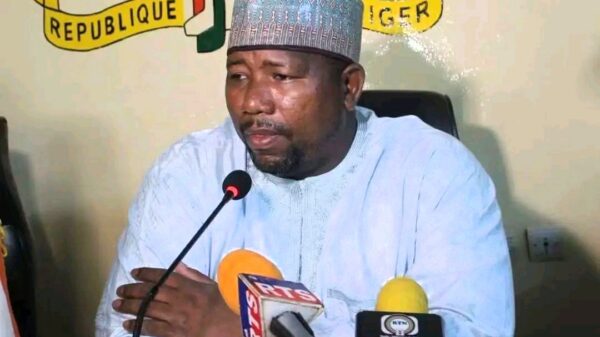
The allegations were detailed by Security Minister Mahamadou Sana in a televised address broadcast by the state-run Radiodiffusion-Télévision du Burkina (RTB).
According to the minister, the operation was scheduled for the night of Saturday, January 3, 2026, with execution planned from 11:00 p.m., and was designed to trigger a rapid collapse of the transitional authorities through a series of synchronized actions.
A Multi-Phase Coup Scenario
Officials say the alleged plot began with plans for targeted assassinations, foremost among them Captain Traoré himself. His “neutralization,” authorities claim, was to be carried out either through direct gunfire or by planting explosives at his residence. Several senior civilian and military officials were also reportedly listed as targets.
At the same time, the conspirators allegedly planned to sabotage Burkina Faso’s national military drone base—described by the government as a critical pillar of the army’s aerial superiority. This move was intended to weaken the armed forces’ response capacity and pave the way for a ground intervention by what officials referred to as “external forces.”
Exile-Based Network Accused
The government accuses a structured network involving soldiers, civilians, and exiled political figures of orchestrating the plot. At the center of the allegations is former transitional president Paul-Henri Sandaogo Damiba, who was ousted in September 2022 and is currently living in exile in Togo.
Authorities allege Damiba oversaw logistical planning and financing, while sympathetic officers were tasked with recruiting soldiers to form operational units. Civilians—including traders and opinion leaders—were allegedly expected to mobilize public support in favor of a new regime following the overthrow.
Funding Allegations and Regional Sensitivities
The Burkinabè government claims a significant portion of the plot’s financing originated from Côte d’Ivoire. Officials cited a transfer of 70 million CFA francs (around €106,700) said to have been earmarked for the final phase of the operation.
During his address, the security minister presented a suspect described as a trader, who appeared on national television and claimed to have collected the funds in Côte d’Ivoire on instructions allegedly linked to Damiba.
The accusations come amid already strained regional relations. Abidjan has previously denied any involvement in destabilization efforts in Burkina Faso and has repeatedly called on Ouagadougou to provide concrete evidence. As of the broadcast, no official reaction had been issued by Côte d’Ivoire or Togo.
Public Mobilization and a Pattern of Alleged Plots
On the night of January 3, as rumors of a coup circulated, hundreds of pro-government supporters gathered spontaneously in public squares in Ouagadougou and Bobo-Dioulasso. The groups—often referred to as Wayignans or members of citizen vigilance movements—said they were mobilizing to defend the institutions of the transition.
Authorities describe the incident as the 23rd attempted destabilization since Captain Traoré came to power in September 2022. A previous major plot was announced in April 2025, which the government also linked to actors allegedly based in Côte d’Ivoire.
As Burkina Faso continues to battle armed groups and navigate deep regional instability, the latest allegations risk further inflaming diplomatic tensions with neighboring states and underscore the fragility of the country’s political transition.