








Bamako – African Perceptions
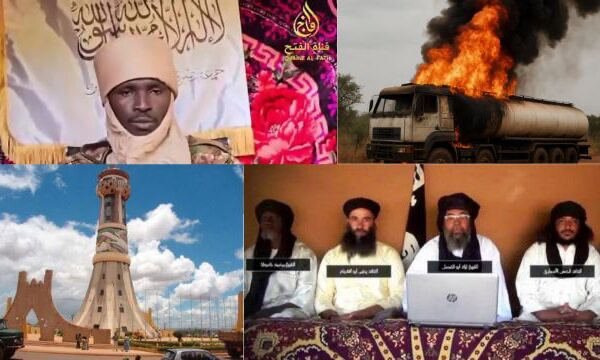
Since late November 2025, the Malian capital Bamako has witnessed a gradual easing of the severe fuel crisis that paralysed the city for weeks, following an unprecedented blockade imposed by Jama’at Nusrat al-Islam wal-Muslimin (JNIM) on key roads leading into the capital.
Yet exclusive information obtained by African Perceptions from sources very close to the Massina branch – one of the group’s main components – reveals a hidden dimension behind this easing and sheds new light on the complex relationship between the transitional government and armed groups.
Exclusive sources: the government released prisoners in exchange for partially lifting the blockade
According to these sources, the Malian authorities recently released a significant number of detainees belonging to JNIM, as part of an informal understanding with field commanders of the group. The arrangement involved reducing attacks on fuel convoys and easing restrictions on access roads to Bamako.
The same source confirms that this prisoner release was the central factor behind the observed improvements, explaining why fuel stations began reopening and truck convoys increased toward the end of November.
The source adds:
“Despite the transitional authorities’ repeated claims that they do not negotiate with jihadist groups, communication channels remain permanently open, and each side knows how to relay messages when needed.”
These details align with international assessments suggesting the presence of an undeclared truce or tacit arrangements that helped reduce attacks on fuel convoys.
Background of the crisis: economic blockade as a strategic weapon
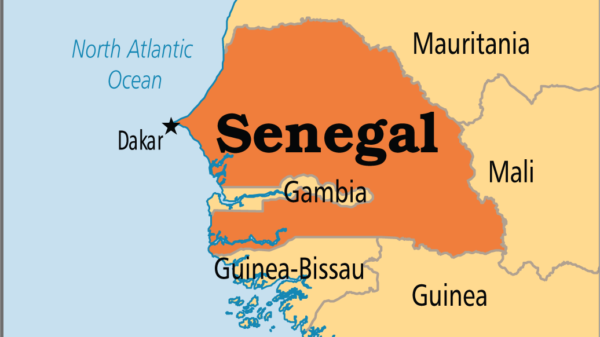
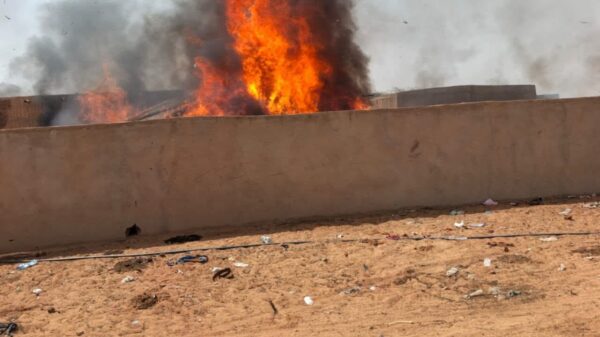
The crisis began in September 2025 when JNIM imposed an intensive blockade on the main fuel supply routes from Senegal and Côte d’Ivoire. Dozens of trucks were destroyed, and several drivers and civilians were killed, leading to acute shortages in the capital.
Objectives of the blockade
According to security analysts, the group aimed to pressure the transitional government led by Assimi Goïta and demonstrate its ability to control the country’s economic lifelines.
Consequences: paralysed economy and humanitarian strain
Inside Mali
• A dramatic rise in black-market fuel prices exceeding 500 percent.
• Near-total paralysis of public transport and taxi services.
• Prolonged power outages due to the dependence of power plants on diesel.
• Disruption of education and public services due to mobility and energy shortages.
• Increased insecurity, including more kidnappings and theft.
Regional and international impact
• Warnings of a potential collapse of the Malian state and broader instability across the Sahel and Maghreb.
• Several Western countries urged their citizens to leave Mali.
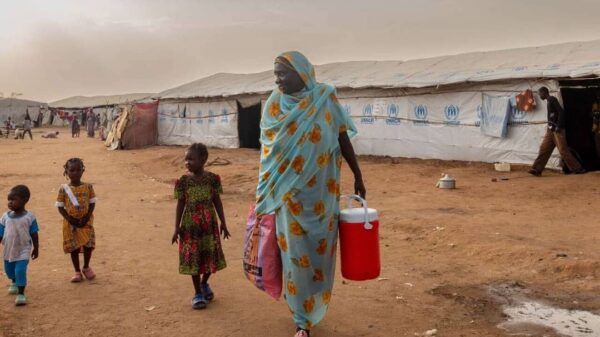
• Growing humanitarian needs and rising internal displacement.
How the easing occurred
By late November, the crisis began to ease gradually due to several factors:
- Regional support
Niger and Senegal boosted their fuel supplies to help Mali mitigate the shortages. - Enhanced security measures
The government launched an emergency plan that included military escorts for fuel convoys, with a notable role played by units associated with Africa Corps in ground and air protection. - Undeclared understandings and informal truces
Exclusive sources and several international assessments point to indirect contacts between Bamako and armed groups. According to African Perceptions’ information, a tacit arrangement involving the release of prisoners contributed significantly to reducing the blockade.
Conclusion
The fuel crisis that suffocated Bamako for weeks exposed the structural fragility of Mali and its heavy dependence on external supplies. It also demonstrated the ability of armed groups to use economic pressure as a strategic negotiation tool, influencing the actions of an already strained state.
As for the information regarding the release of prisoners in exchange for easing the blockade, it reveals – if confirmed – a reality often denied publicly but deeply embedded in Mali’s conflict dynamics: the existence of a complex network of unofficial communications that both sides rely on to avoid uncontrollable escalation.
And although the capital is slowly returning to normal, the crisis is far from being just a fuel shortage. It reflects a prolonged struggle over power, legitimacy and territorial control.
The central question remains: is this easing the beginning of a broader solution, or merely a fragile pause destined to collapse at the first spark of renewed tension?