








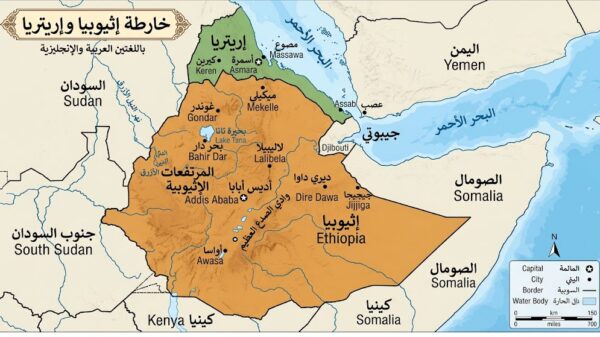







The Africa Centres for Disease Control and Prevention (Africa CDC) has confirmed nine cases of Marburg virus in southern Ethiopia, following laboratory tests conducted by the National Reference Laboratory on 14 November 2025.
The announcement came two days after the centre received an initial alert indicating suspected cases of viral haemorrhagic fever. Laboratory analysis confirmed that the detected strain is similar to variants previously identified in East Africa.
In response, Ethiopian health authorities have activated emergency plans, including enhanced surveillance, field investigations, and reinforced infection-prevention measures.
Marburg virus is typically transmitted from fruit bats to humans and can then spread through direct contact with bodily fluids or contaminated surfaces. Symptoms include severe headaches, abdominal pain and haemorrhaging from the nose and mouth.
There is currently no specific treatment or vaccine for the disease, with medical care limited to supportive therapies such as rehydration to improve survival chances.