









Mali’s capital Bamako witnessed one of its largest anti-government protests since Colonel Assimi Goïta seized power in 2021, as hundreds took to the streets rejecting the transitional government’s decision to dissolve political parties and abolish their legal framework.
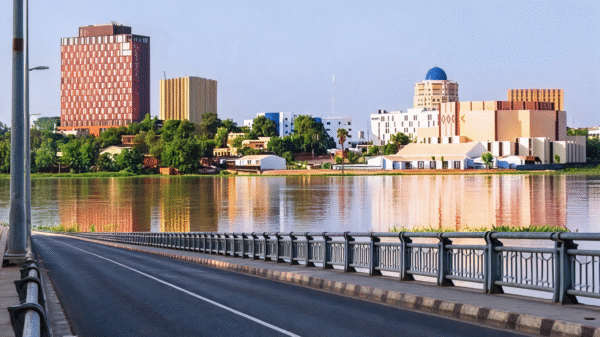
Protesters gathered along the Niger River, waving banners demanding “freedom and democracy” and chanting slogans opposing military rule and the proposed extension of the transitional period without elections.
The demonstration came in response to a recent government decree that revoked the legal status of political parties—an implementation of the controversial recommendations made during this week’s “Living Forces Consultations”, which proposed dissolving all parties and extending Goïta’s term by five years without a vote, citing the need for national peace first.
Opposition parties, many of whom boycotted the consultations, have denounced the process as a civilian cover for authoritarianism, warning of a systematic drift away from constitutional governance.
While the recommendations await official ratification by President Goïta, the mere issuance of the executive decree has triggered strong local and international criticism, with observers calling it a major setback for democracy, and urging the authorities to stick to the 2025 transition deadline.