





West Africa’s largest regional naval exercise brought together 19 African countries and international partners to simulate piracy, trafficking, illegal fishing and environmental disasters in the Gulf of Guinea
The Grand African NEMO 2026 exercise, the largest regional naval event in West Africa, has wrapped up in the Gulf of Guinea after running from 29 October to 6 November. Naval forces from 19 African countries took part, alongside seven partner nations, chief among them France, the United States and members of the European Union.
Held every year since it was launched in 2018, the exercise is jointly led by the French Navy and the Gulf of Guinea’s coastal states under the umbrella of the Yaoundé Architecture for maritime security.
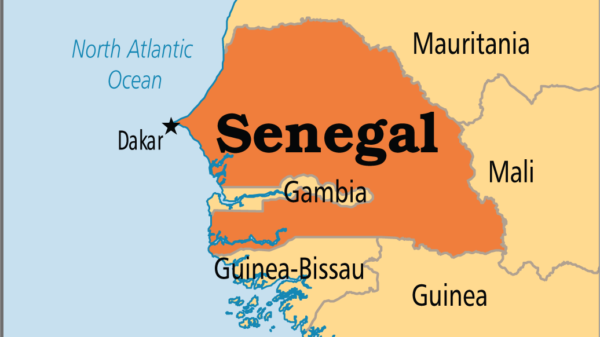
From Senegal to Angola
The area of operations stretched along some 5,707 kilometres of West and Central African coastline, from Senegal in the north to Angola in the south. More than 60 naval units were mobilised, together with 10 maritime patrol aircraft and naval air bases, special combat teams and shore-based command centres.
Participation went beyond national navies. Specialised international and regional bodies also joined, including the UN Office on Drugs and Crime (UNODC), INTERPOL, European Union maritime security programmes (ENMAR and SEACOP) and the regional maritime coordination centres set up under the Yaoundé Code of Conduct.
Four threat scenarios
The drills were designed to raise readiness and speed up responses to potential threats in the Gulf of Guinea, and were organised around four strands:
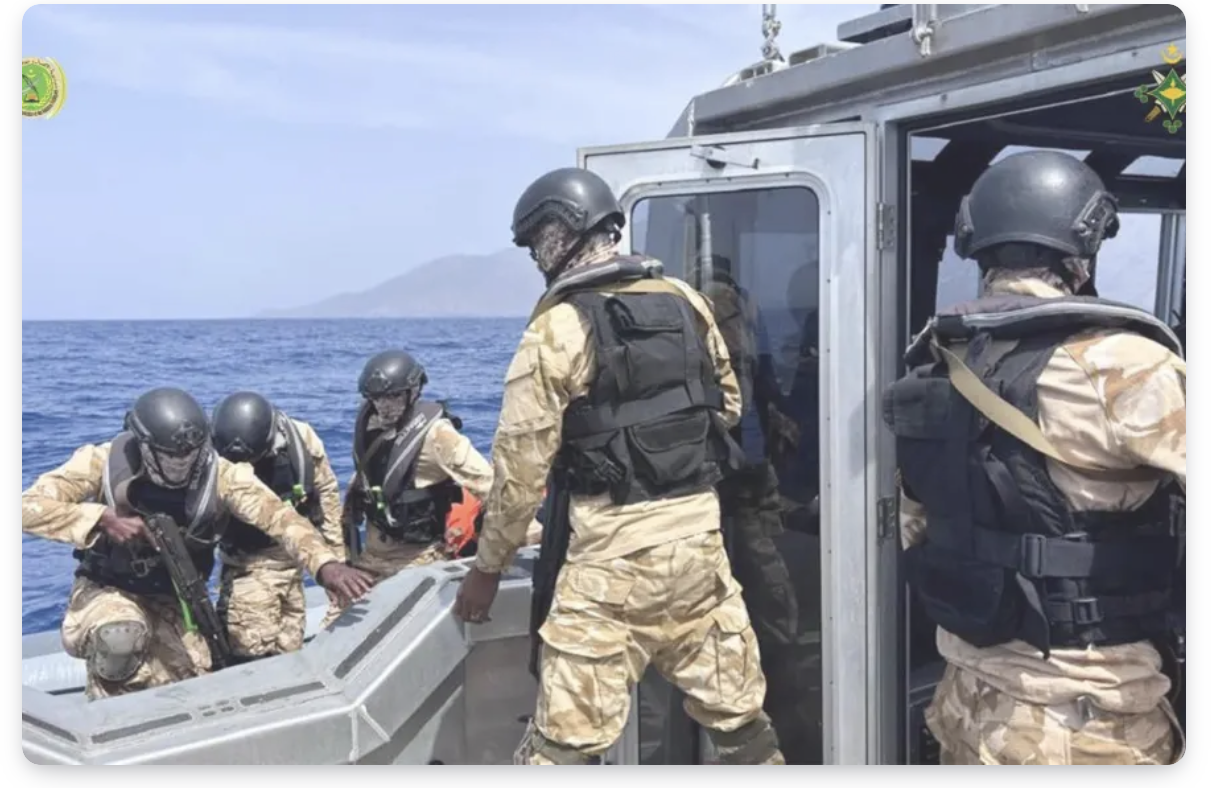
- Piracy and armed robbery: simulated hijackings of merchant ships and hostage-taking, followed by special forces conducting airborne and seaborne boarding operations to retake the vessels.
- Trafficking: tracking suspected vessels involved in drug, arms and human trafficking, and intercepting them in territorial and international waters.
- Illegal, unreported and unregulated (IUU) fishing: monitoring vessels fishing without a licence or exceeding their quotas, to protect the region’s fish stocks.
- Environmental safety and rescue: simulated sudden oil and gas spills, search-and-rescue operations for migrants and vessels in distress, and air and sea medical evacuations.
Why the Gulf of Guinea matters
The Gulf of Guinea is one of the world’s most important sea lanes for shipping oil, minerals and international trade, yet it faces serious security challenges from organised crime. The exercise aims to strengthen interoperability, enabling crews from different countries to communicate, share information and respond jointly in line with international standards.
It also tests how quickly radar tracking data and intelligence can be shared between regional coordination centres, notably the Regional Maritime Security Centre for West Africa (CRESMAO) and the Multinational Maritime Coordination Centres (MMCCs), to speed up decision-making and the direction of naval assets.
Mauritania among the participants
Mauritania was among the countries taking part. In a post on its official Facebook page on Monday, 9 November, the Mauritanian army said its navy had deployed the patrol boat Timbédra and a naval special forces team, as well as liaison officers at CRESMAO and at the regional maritime coordination centre (MMCC) in Praia.
The army said the exercise scenarios also covered irregular migration, and that its participation was intended to strengthen naval military cooperation and coordination, share expertise and develop the Mauritanian navy’s operational capabilities.