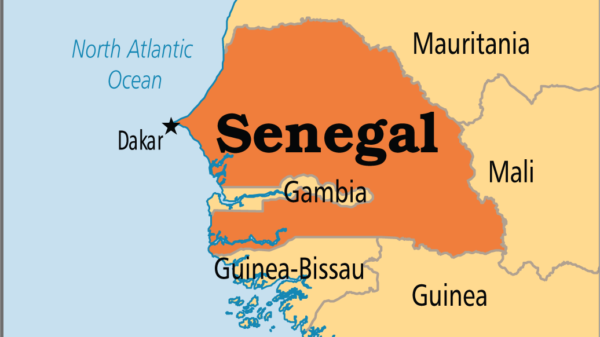


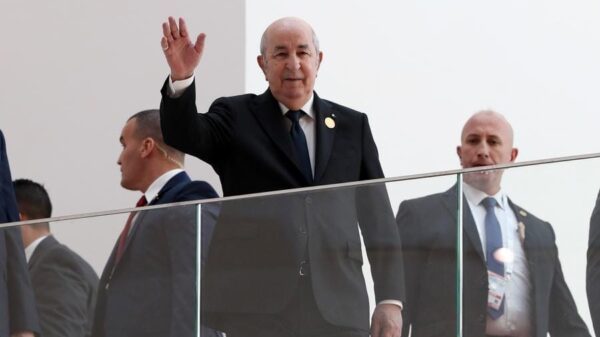





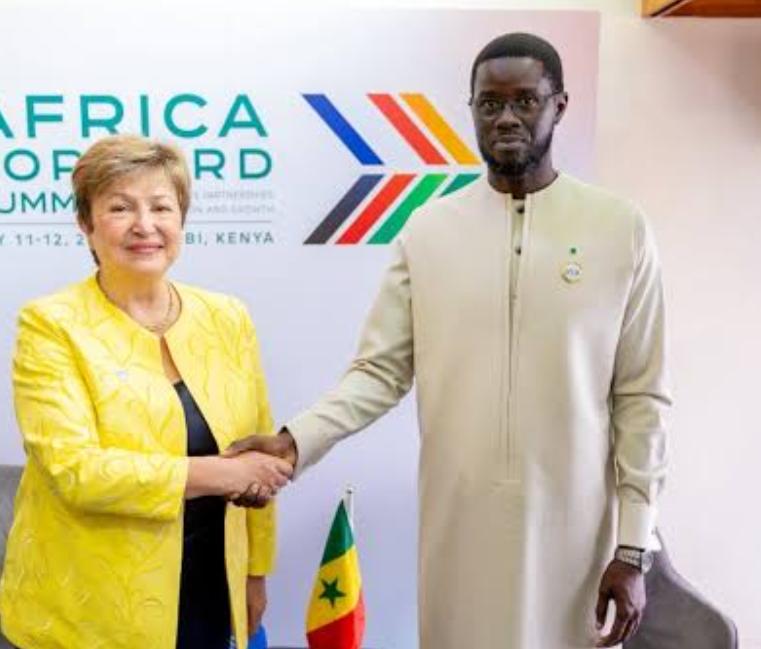
Bassirou Diomaye Faye has stepped directly into high-stakes negotiations with the International Monetary Fund as Senegal grapples with one of the most severe fiscal crises in its modern history, following revelations of billions of dollars in previously undisclosed public debt.
The intervention by President Faye comes amid growing pressure on the West African nation to restore investor confidence, stabilize public finances, and secure a new financing arrangement with the International Monetary Fund after the suspension of a major lending program in 2024.
Hidden debt shock triggered crisis
The roots of Senegal’s current economic turmoil trace back to a government audit conducted shortly after Faye assumed office in April 2024. The investigation reportedly uncovered nearly $5.5 billion in hidden or misreported liabilities accumulated under the previous administration, equivalent to approximately 25.3% of the country’s gross domestic product.
The revelations sent shockwaves through financial markets and prompted the International Monetary Fund to suspend a $1.8 billion support program, citing concerns over fiscal transparency and the accuracy of Senegal’s debt reporting.
Analysts now estimate Senegal’s total public debt burden at between 119% and 132% of GDP as of May 2026, a dramatic rise from the roughly 80% level officially reported only two years earlier.
The debt disclosure significantly weakened Senegal’s fiscal position and raised fears of a broader sovereign debt crisis in one of West Africa’s traditionally stable economies.
Dispute over debt strategy
A central issue in the negotiations with the International Monetary Fund concerns how Senegal should manage its mounting debt obligations.
Prime Minister Ousmane Sonko has publicly rejected the possibility of a formal debt restructuring, arguing that imposing losses on creditors could severely damage Senegal’s international credit standing and restrict future access to financial markets.
Instead, President Faye is reportedly advocating what officials describe as a “third way,” a debt reprofiling strategy aimed at extending repayment schedules without reducing the principal owed to creditors.
Government officials believe such an approach could help Senegal avoid a formal default while preserving relationships with international investors and bondholders.
The urgency of the talks has intensified ahead of a major Eurobond repayment estimated at approximately $480 million due in early 2026, a payment widely viewed by investors as a critical test of the country’s financial resilience.
Economic outlook remains fragile
According to projections contained in the International Monetary Fund’s April 2026 global economic assessment, Senegal faces a difficult economic environment over the next two years.
Real GDP growth for 2026 has been revised downward to 2.2%, compared with earlier forecasts of 3.0%, reflecting tightening fiscal conditions and external economic pressures.
The country’s current account deficit is also expected to widen to 6.2% of GDP, while inflation forecasts have been adjusted upward to 2.6%.
International analysts say rising global energy prices linked to continued instability and conflict in the Middle East have sharply increased Senegal’s fuel import costs, placing additional strain on state finances and foreign exchange reserves.
IMF conditions and political balancing
Securing a new program supported by the International Monetary Fund is increasingly viewed by policymakers as essential to restoring confidence among international lenders and investors.
However, negotiations remain sensitive because the Fund is reportedly seeking stricter fiscal reforms, including stronger tax collection measures and significant reductions in public spending.
Those demands pose political challenges for the administration of Faye and Sonko, both of whom campaigned on promises of social investment, economic sovereignty, and expanded public welfare programs.
The government is also attempting to reassure markets that future hydrocarbon revenues from the offshore Sangomar oil field and the Greater Tortue Ahmeyim gas project can eventually help stabilize public finances.
Officials argue that anticipated oil and gas income should be directed toward long-term economic recovery and development rather than being consumed entirely by debt servicing obligations.
Investor confidence at stake
President Faye’s direct involvement in the International Monetary Fund discussions is being interpreted by analysts as a signal that Dakar recognizes the seriousness of the crisis and the importance of reaching an agreement quickly.
Financial observers warn that failure to secure renewed support from the Fund could increase borrowing costs, weaken the national currency outlook, and complicate Senegal’s ability to refinance existing obligations in international markets.
Despite the challenges, Senegalese authorities continue to insist that the country remains committed to fiscal reforms while avoiding measures that could trigger a loss of economic sovereignty or undermine long-term development priorities.
The outcome of the negotiations is expected to shape Senegal’s economic trajectory for years to come and could become a defining test for the administration of President Faye.