










Sudan’s government has warned United Nations agencies against engaging with a humanitarian coordination body established by the political wing of the Rapid Support Forces, reflecting rising tensions over aid delivery and sovereignty during the ongoing conflict.
On May 6, the Ministry of Foreign Affairs summoned Denise Brown along with representatives of UN agencies operating in Khartoum to communicate its rejection of the “National Authority for Humanitarian Access” recently established in Nyala, South Darfur.
The government stated that any institutional cooperation with the body, including registration procedures, operational coordination, or technical agreements, would constitute recognition of what it described as an illegitimate parallel entity.
The ministry stressed that such engagement would be considered a violation of Sudan’s sovereignty and territorial integrity, warning international organizations against bypassing recognized state institutions.
It added that the government remains committed to facilitating humanitarian assistance through official and legitimate channels, emphasizing coordination with national authorities to ensure aid reaches affected populations.
The dispute reflects the complex political and humanitarian landscape created by the conflict between the Sudanese Armed Forces and the RSF since April 2023, which has fragmented control across the country.
The government’s position aligns with earlier international warnings about the emergence of parallel administrative structures in RSF-controlled areas, where global security bodies have warned of risks to state unity.
Despite this, UN officials have maintained limited engagement with RSF leadership in areas outside government control, describing it as a practical necessity to secure humanitarian access and negotiate civilian protection.
Humanitarian agencies continue to face severe operational constraints due to shifting frontlines and deteriorating infrastructure.
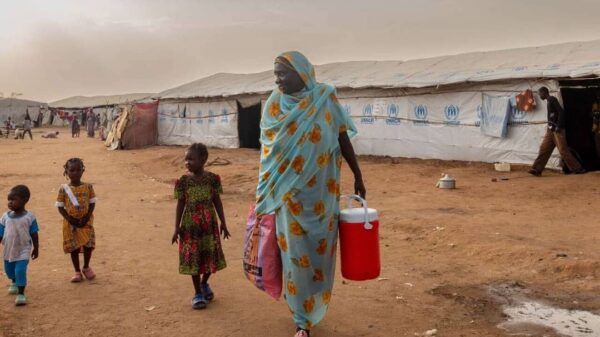
The dispute comes as the United Nations describes the situation as the world’s largest displacement crisis, with around 13 million people displaced internally or across borders and multiple areas facing famine or its risk.
International concern has also risen following attacks on civilian infrastructure, including Khartoum airport, with warnings that targeting transport facilities could disrupt humanitarian operations.
Analysts say the dispute highlights growing challenges for international organizations operating in a divided conflict environment with competing authorities.
The controversy is expected to further complicate negotiations over aid corridors and coordination mechanisms as humanitarian needs continue to escalate.