














WASHINGTON, May 1, 2026 — The United States Department of State has authorized approximately $8.6 billion in emergency arms sales to key Middle Eastern allies as the ongoing conflict involving the U.S.-Israel coalition and Iran continues to strain regional defense capabilities and deplete critical weapons stockpiles.
The emergency package includes advanced air defense systems, precision-guided munitions, and command-and-control infrastructure intended to reinforce allied missile defense networks and replenish inventories consumed during nearly ten weeks of sustained regional hostilities.
According to U.S. officials, the approved transfers cover four major regional partners:
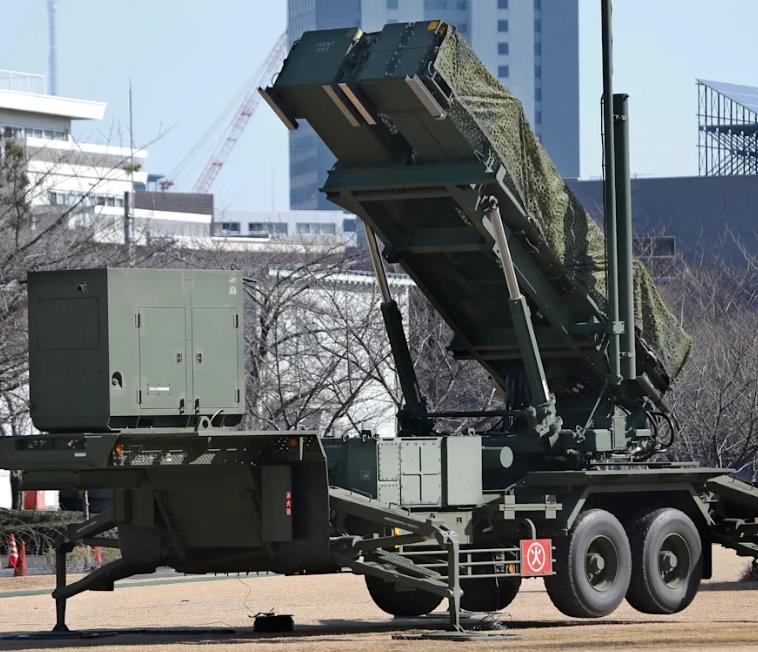
Qatar will receive approximately $4.01 billion in Patriot air and missile defense replenishment services, along with roughly $992 million in Advanced Precision Kill Weapon Systems (APKWS).
Kuwait has been approved for a $2.5 billion integrated battle command system designed to improve air defense detection, coordination, and response capabilities.
Israel will receive approximately $992 million in APKWS to replenish operational inventories used during the conflict.
The United Arab Emirates (UAE) has been authorized to purchase approximately $148 million in APKWS.
Major U.S. defense contractors involved in the agreements include BAE Systems, RTX, and Lockheed Martin.
Emergency Authorization Bypasses Congressional Review
Secretary of State Marco Rubio formally invoked “emergency circumstances” to expedite the transfers, allowing the administration to bypass the standard Congressional review procedures required under the Arms Export Control Act.
In its justification, the State Department stated that the sales serve the “national security interests of the United States” and are necessary to ensure that regional allies can maintain effective defenses against continuing missile and drone threats.
The emergency determination reflects growing concern within Washington over the pace and scale of attacks across the Gulf region and the increasing demand for advanced interceptors and precision-guided weapons systems.
Concerns Over U.S. Munitions Stockpiles
The arms authorization comes amid heightened debate over the state of U.S. military inventories following weeks of intensive operations in the Middle East.
A recent assessment by the Center for Strategic and International Studies warned that sustained military operations have significantly reduced U.S. stockpiles of several critical weapons systems.
The analysis highlighted heavy expenditure rates involving Patriot and THAAD interceptors, Tomahawk cruise missiles, and Joint Air-to-Surface Standoff Missiles (JASSM). Defense analysts cautioned that replenishing many of these systems could take years because of limited industrial production capacity and the technical complexity of advanced munitions manufacturing.
Strategic experts have also raised concerns that prolonged depletion of U.S. inventories could affect military readiness in other regions, particularly in relation to potential future contingencies involving China in the Indo-Pacific.
Pentagon Seeking Expanded Production Capacity
In response to the growing strain on inventories, the Department of Defense has reportedly intensified discussions with major defense manufacturers and civilian industrial partners to accelerate production timelines.
Officials are exploring expanded manufacturing arrangements aimed at increasing output for missile interceptors, precision-guided munitions, and long-range strike systems in order to reduce the long-term impact on U.S. readiness.
The latest arms package underscores the widening strategic and logistical consequences of the regional conflict, as Washington attempts to sustain allied defense capabilities while balancing its own military preparedness for future global contingencies.