











Tensions in the Strait of Hormuz have escalated sharply as Iran’s Revolutionary Guard expanded its maritime control, seizing commercial vessels and engaging in live-fire incidents despite an extended ceasefire with the United States.
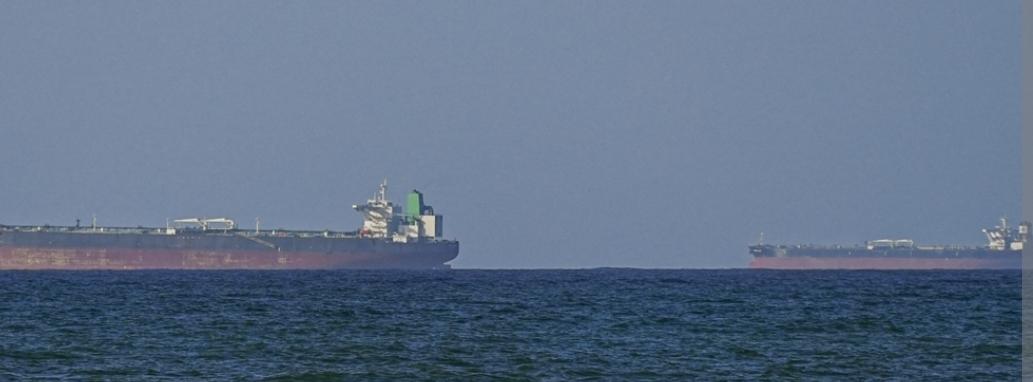
Reports indicate that two commercial vessels were seized and redirected toward Iranian waters, with Tehran citing alleged violations of maritime regulations.
The strait remains a critical global energy corridor, making any escalation a direct concern for international markets.
In a separate incident, a cargo vessel was fired upon near Omani waters, sustaining damage but with no reported casualties, while another vessel was also targeted and remains halted at sea.
The developments come despite Washington’s announcement of a ceasefire extension aimed at allowing more time for diplomatic efforts.
At the same time, the United States continues to enforce maritime restrictions on Iranian ports, maintaining that military options remain available if negotiations fail.
Iran has signaled a shift in maritime policy, indicating that vessels may be required to coordinate transit and comply with additional measures.
Tehran has framed its actions as a response to earlier incidents, reflecting the broader escalation in tensions.
Maritime security firms have issued warnings to vessels operating in the region, highlighting increasing risks to navigation.
Analysts caution that continued escalation could disrupt global trade and energy supplies, as the security situation remains highly fragile.