














The Strait of Hormuz has been thrown back into uncertainty after Iran reversed its brief reopening of the strategic waterway and reimposed restrictions amid rising tensions with the United States.
Iranian authorities said control of the strait had returned to its previous state, indicating a tightening of oversight or effective closure less than a day after it was declared open to international shipping.
Tehran justified the move by accusing the United States of maintaining restrictions on vessels linked to Iran, saying any easing of measures would depend on full freedom of navigation.
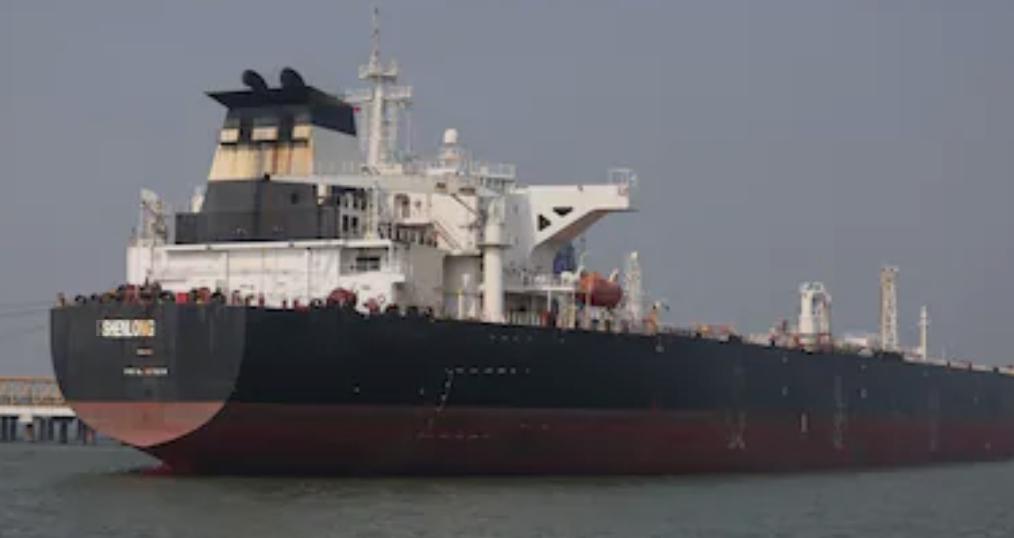
Shipping data showed a rapid disruption in maritime traffic, with only a limited number of tankers managing to pass during the short reopening window before others turned back following renewed restrictions.
Some vessels reportedly altered their declared destinations in an apparent effort to avoid confrontation, highlighting the uncertainty facing shipping operators.
Energy markets reacted to the shifting signals, having initially seen prices fall on expectations of resumed flows, before renewed restrictions raised concerns over supply disruptions.
The strait remains one of the world’s most critical oil transit routes, making any disruption a key factor in global energy stability.
Washington has maintained its pressure strategy, indicating that maritime measures will remain in place until a broader agreement is reached.
Diplomatic efforts continue in parallel, as officials attempt to contain escalation and prevent wider instability in the region.
The rapid shift in the status of the strait underscores the fragility of the situation, with the waterway remaining a central point of geopolitical tension.