




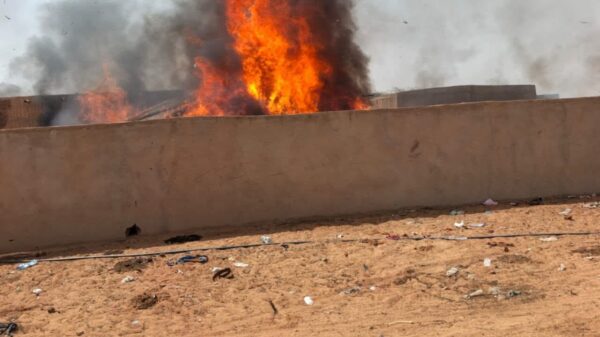











Nigeria has reaffirmed that the April 11 airstrike in the Jilli axis near the Borno–Yobe border was a deliberate, intelligence-based military operation, rejecting suggestions that it was an error.
The defence minister said the targeted location had been identified as an active insurgent enclave used by armed groups to coordinate attacks and maintain logistical support.
He added that individuals present in such areas, particularly those providing supplies or assistance, may be treated as collaborators under military doctrine.
However, independent reports have raised concerns, indicating that more than 100 civilians may have been killed, including traders and residents present at a local market at the time of the strike, prompting questions about targeting accuracy.
The issue has reignited public sensitivity following a previous incident in December 2023 in which a military strike killed dozens of civilians during a religious gathering.
Authorities say operational procedures have since been strengthened to reduce the risk of civilian harm in future operations.
At the same time, Nigeria is pursuing broader defence reforms, including plans to expand domestic military production in partnership with international allies to reduce reliance on imports.
These efforts include establishing local defence manufacturing facilities and continuing the deployment of advanced equipment in counterinsurgency operations in the northeast.
The debate surrounding the Jilli strike highlights the ongoing challenge of balancing counterterrorism operations with civilian protection in conflict-affected areas.