








The war in Sudan has entered its fourth year, as the United Nations and major aid organizations describe the situation as the world’s largest humanitarian crisis, with ongoing violence, mass displacement, and worsening food insecurity, while diplomatic efforts remain stalled.
An estimated 34 million people across Sudan are now in urgent need of humanitarian assistance, the highest figure recorded globally, as living conditions continue to deteriorate.
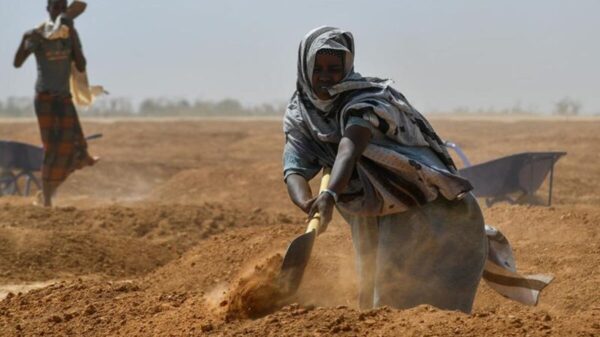
Food insecurity has reached catastrophic levels, with multiple regions facing extreme shortages and famine conditions confirmed in parts of North Darfur and South Kordofan. Projections for 2026 indicate around 4.2 million cases of acute malnutrition, including more than 800,000 severe cases, particularly among children.
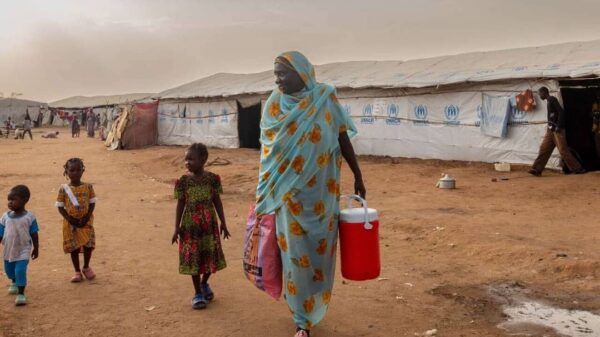
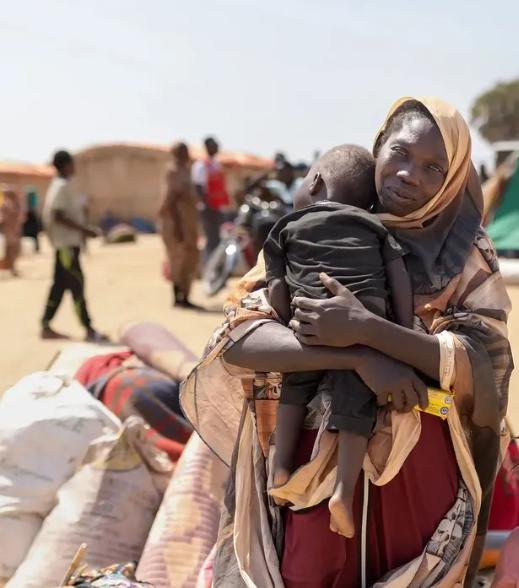
Since the conflict began in April 2023, about 14 million people have been displaced, including nearly 9 million internally displaced persons living in overcrowded camps with limited access to food, water, and healthcare.
Critical infrastructure has been heavily damaged, including hospitals, schools, and markets, leading to a collapse in essential services, while only a limited share of health facilities remain operational, complicating efforts to contain disease outbreaks such as cholera.
Diplomatic efforts have made little progress, with the Sudanese government rejecting an international conference held in Germany aimed at addressing humanitarian needs, criticizing it as unrepresentative and unacceptable.
Mediation initiatives have also failed so far to secure a lasting ceasefire or meaningful political dialogue between the parties to the conflict.
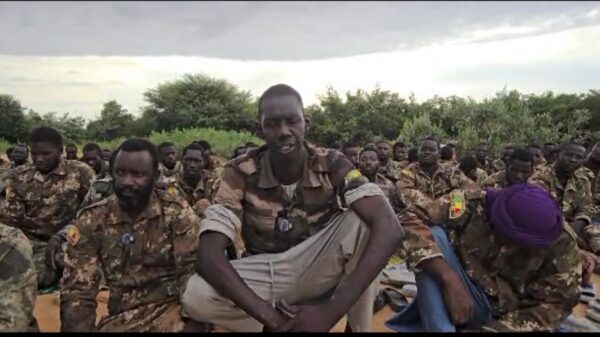
Sudan remains effectively divided between the national army and the Rapid Support Forces, with government forces controlling large areas in the north, east, and center, while RSF units dominate significant parts of Darfur and Kordofan.
The conflict continues to be marked by serious human rights violations, including widespread violence against civilians, particularly women and children, as well as indiscriminate attacks.
With funding shortages and restricted humanitarian access, aid agencies warn that conditions are likely to worsen further, putting millions more at risk of famine, disease, and displacement.