








Sharp reductions in U.S. foreign aid have triggered a growing political dispute in Washington with warnings of serious humanitarian and security consequences across Sub Saharan Africa.
Lawmakers have raised concerns that funding cuts and program restructuring could worsen crises in vulnerable countries particularly those facing conflict and poverty.
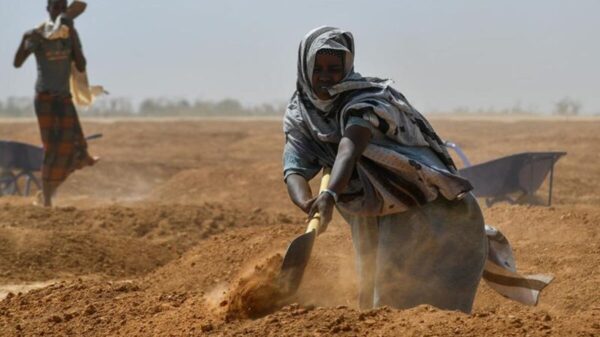
Plans indicate a halt to most non emergency assistance for several African nations raising fears over the impact on health and nutrition programs relied upon by millions.
Lawmakers also warned that reduced engagement could create space for extremist groups to expand influence in fragile regions.
The policy shift includes a reduced international affairs budget and restructuring of aid agencies reflecting a move toward a more strategic interest driven approach.
Global health programs are among those affected with concerns over reduced support for essential services and disease prevention efforts.
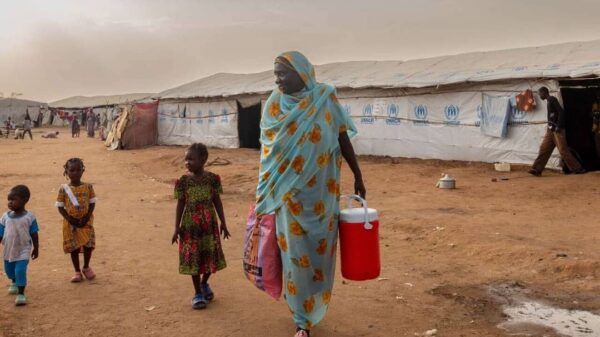
The cuts come at a time of rising humanitarian needs with millions requiring urgent assistance amid funding gaps.
The administration has defended the changes arguing they will improve efficiency and align aid with national priorities while rejecting claims of severe humanitarian impact.
Legislative efforts are also advancing proposals to further reshape the aid system including eliminating certain development institutions.
Analysts say the debate reflects a broader shift in U.S. foreign policy that could reshape its global humanitarian role.