



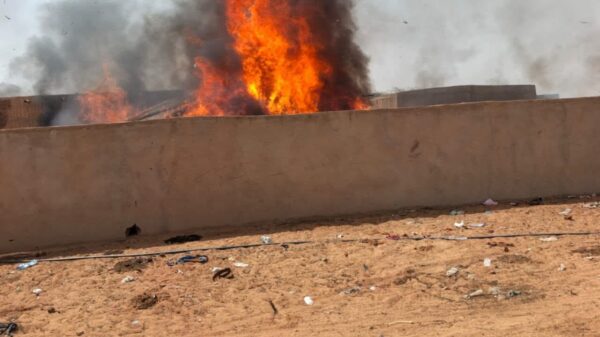










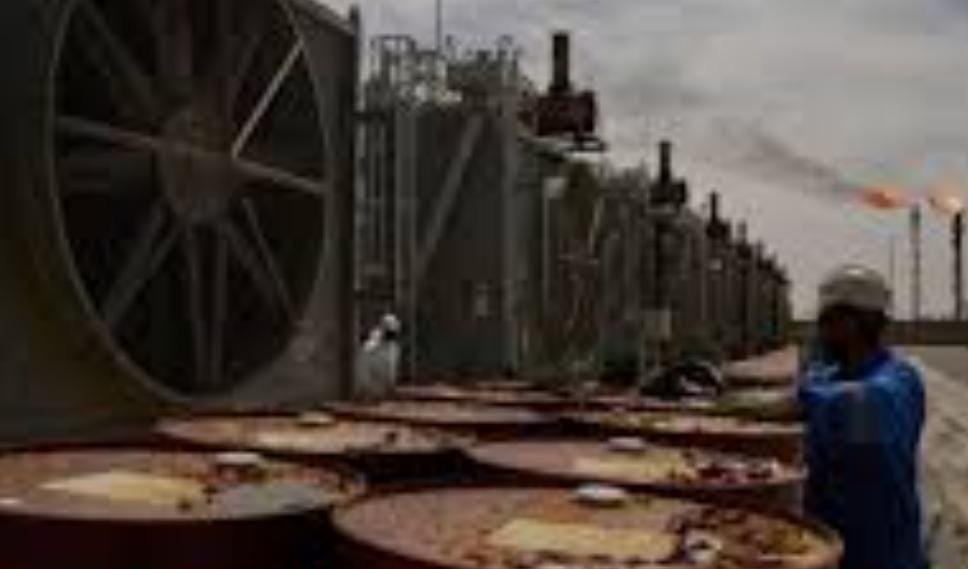
Global energy markets have entered a critical phase as the Gulf conflict intensifies, driving sharp supply disruptions, rising prices and mounting geopolitical risk.
Brent crude has climbed above 116 dollars per barrel with analysts warning prices could reach between 120 and 150 dollars if disruptions persist.
At the center of the crisis is the Strait of Hormuz where daily vessel traffic has dropped from around 120 ships before the war to just 4 to 7 currently severely constraining global oil and LNG flows.
Iranian authorities have imposed selective passage rules allowing only certain vessels which has further fragmented global trade and increased uncertainty.
The conflict has expanded militarily with new fronts emerging. Houthi forces in Yemen launched missile attacks toward southern Israel while Israeli ground operations intensified in southern Lebanon with rising casualties.
Diplomatic efforts continue with a multi point proposal aimed at reopening the strait and limiting nuclear capabilities but positions remain far apart reducing prospects for a near term breakthrough.
Economic fallout is spreading across global markets with Asian indices falling sharply and energy importing economies facing growing inflation and supply chain disruption.
Key indicators show the scale of the shock with oil prices surging maritime traffic collapsing and gas flows declining.
Analysts warn that continued disruption could trigger a wider global economic crisis as uncertainty persists.
The coming days are expected to be decisive in determining whether the situation stabilizes or escalates further.