








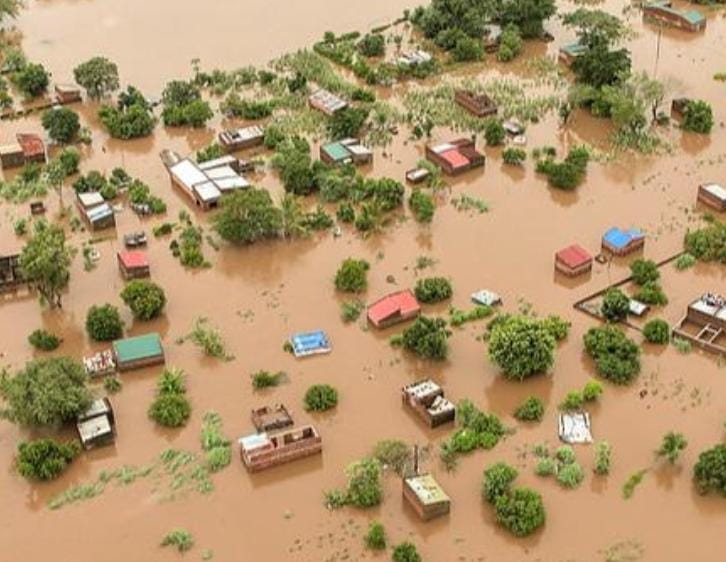
Africa is facing severe climate volatility as regions rapidly shift from extreme drought to destructive flooding in what is increasingly described as climate whiplash.
International data indicates that millions have been affected in recent months with hundreds of deaths and large scale displacement across southern and eastern parts of the continent.
The crisis is driven by a rapid transition from prolonged drought to intense rainfall destroying crops twice and worsening food insecurity.
Health officials warn that the secondary impacts of flooding may be more dangerous than the initial disasters due to disease outbreaks.
Cholera cases have risen in several countries while malaria is spreading as stagnant water creates breeding grounds for mosquitoes.
Millions are also struggling to access clean water and sanitation increasing the risk of further outbreaks.
The crisis highlights chronic underinvestment in public health systems limiting the ability to respond to climate shocks.
Although international funding has been mobilized experts say it cannot replace sustained domestic investment.
These developments come amid broader challenges including political tensions and environmental pressures across the continent.
Analysts note that overlapping climate health and economic crises are increasing vulnerability.
Experts warn that without stronger adaptation measures such disasters will intensify in the future.