













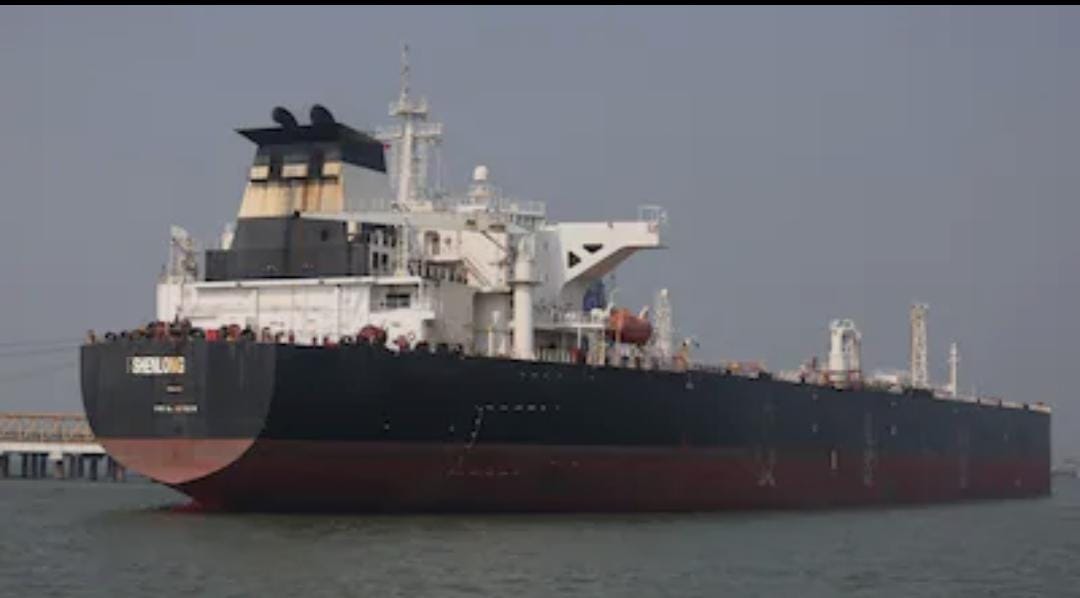
Global tensions have reached a critical point as shipping traffic in the Strait of Hormuz collapses while diplomatic efforts intensify to prevent wider conflict.
Maritime data shows a sharp drop in daily vessel movements compared to normal levels highlighting disruption in one of the world’s most vital energy routes.
Iran has adopted a selective transit approach allowing certain vessels to pass through controlled corridors while maintaining leverage without enforcing a full blockade.
International maritime authorities have warned of increased risks including electronic interference and navigation disruptions complicating operations in the Gulf.
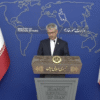
Diplomatic signals suggest indirect efforts to de escalate with proposals involving Iran’s nuclear program and guarantees for maritime access in exchange for limited sanctions relief.
However significant gaps remain between the parties reflecting deep divisions over regional security and military presence.
Energy markets have reacted strongly with oil prices fluctuating and major releases from strategic reserves aimed at stabilizing supply.
Analysts warn that prolonged disruption could drive inflation and impact global economic stability.
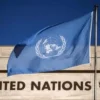
At the same time the United Nations is set to vote on a landmark resolution addressing the legacy of the transatlantic slave trade.
Observers say the convergence of geopolitical tension economic pressure and diplomacy marks a defining moment.
The coming days will determine whether the crisis moves toward de escalation or broader confrontation.