













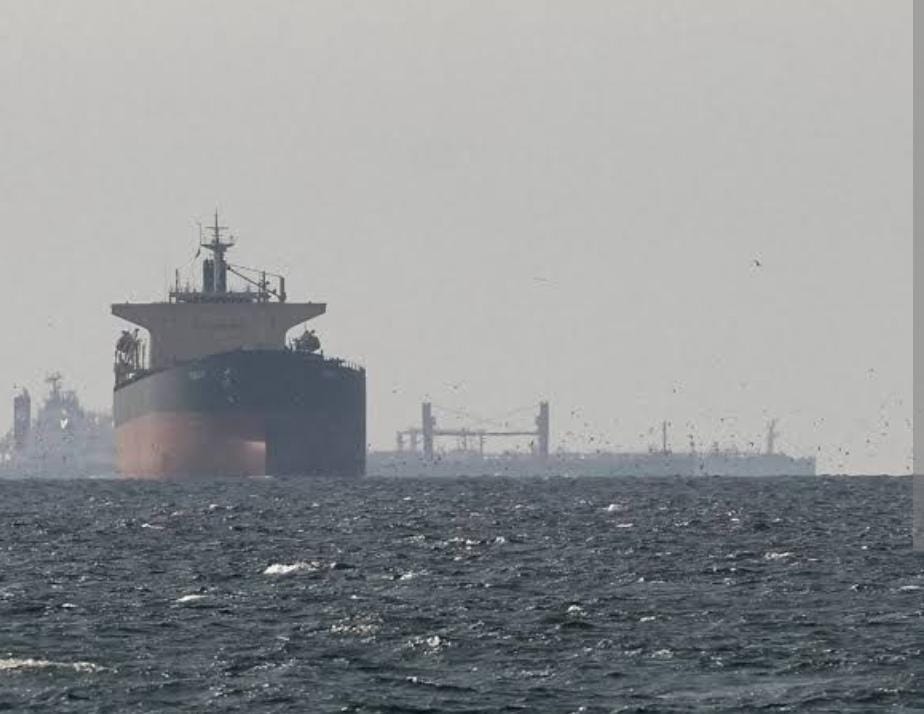
The regional conflict has entered a new and more complex phase as maritime strategy shifts toward what analysts describe as a selective blockade in one of the world’s most critical energy corridors.
After weeks of near total disruption to shipping flows, recent developments indicate that limited commercial transit has resumed under strict controlled conditions restoring partial supply while maintaining a high level of uncertainty.
The new system relies on rigorous vetting of vessels requiring operators to demonstrate non affiliation with certain actors before being granted passage through a narrowly defined corridor. Maritime sources suggest that significant unofficial fees may be paid to secure safe transit.
This transition from full disruption to controlled access allows the enforcing power to influence global trade flows while avoiding the full diplomatic consequences of a total blockade.
Energy dependent nations now face increasing pressure as they attempt to balance diplomatic positioning with the need to secure uninterrupted supply through a mix of strategic reserves and negotiation efforts.
Despite the partial reopening escalation signals persist with reported attempts to target military installations beyond the immediate maritime zone indicating a widening operational scope.
Shipping behavior has also adapted rapidly with vessels broadcasting identifying signals to assert neutrality and reduce targeting risks.
A tiered access structure has emerged with passage conditions varying based on political alignment and perceived neutrality creating fragmentation in a key global trade artery.
Economically the result is a fragile equilibrium with partial restoration of flows but continued volatility affecting pricing insurance and supply chains.
Analysts say the approach represents a strategic recalibration aimed at maintaining leverage without triggering a full scale international response thereby prolonging the crisis.
As the conflict enters its fourth week the corridor remains partially open but far from stable reflecting a shift toward managing rather than resolving the confrontation.