









The humanitarian crisis in the Rubaya mining district in eastern Democratic Republic of the Congo is worsening as deadly landslides and ongoing armed conflict continue to devastate vulnerable communities.
Reports from international and national sources indicate that more than 600 people have died since the start of the year in mining related incidents driven by unsafe artisanal practices and extreme conditions.
One of the deadliest events occurred after heavy rainfall triggered a massive collapse at a major mining site killing hundreds of workers operating in unprotected tunnels.
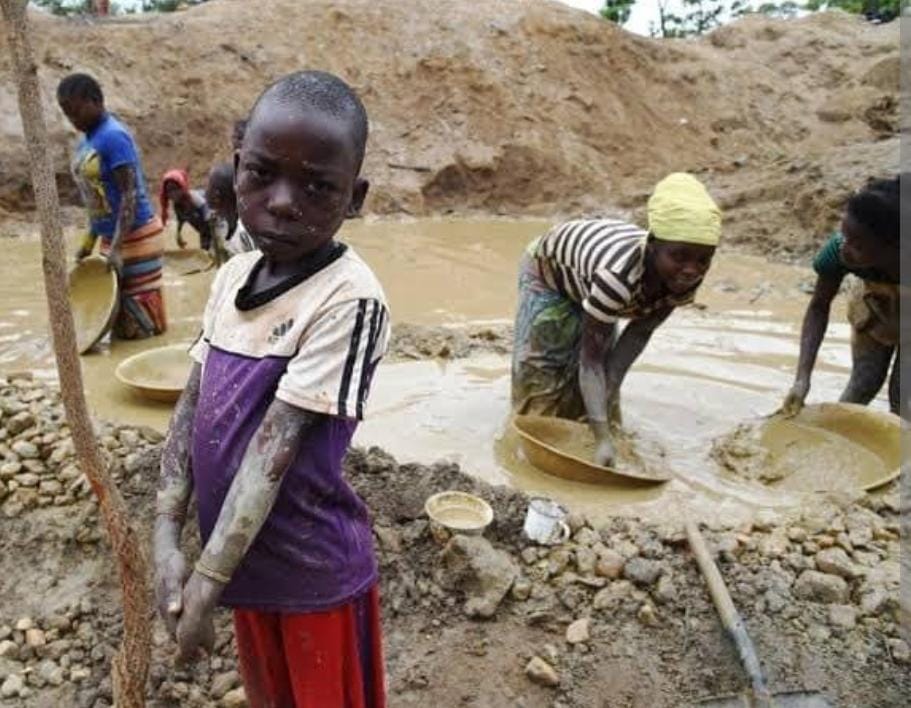
A subsequent landslide claimed more than 200 lives including dozens of children highlighting the persistent issue of child labor in hazardous mining environments.
Humanitarian organizations warn that these incidents reflect systemic issues including poverty lack of regulation and weak enforcement rather than isolated accidents.
Despite the area being officially designated as restricted mining activity continues largely unchecked under the control of armed groups benefiting from illegal resource extraction and taxation.
The region plays a critical role in global supply chains particularly for coltan a mineral essential for electronics production adding to its strategic importance.
International pressure has increased with sanctions targeting actors accused of supporting armed groups in an effort to curb resource exploitation and conflict financing.
Child protection agencies warn that millions of children across the country require urgent assistance with tens of thousands still working in dangerous mining conditions.
The situation in Rubaya highlights the intersection of conflict economic survival and global demand for critical minerals leaving local populations with few safe alternatives.
Observers say without sustained intervention and accountability the cycle of exploitation and tragedy is likely to continue with global implications.