








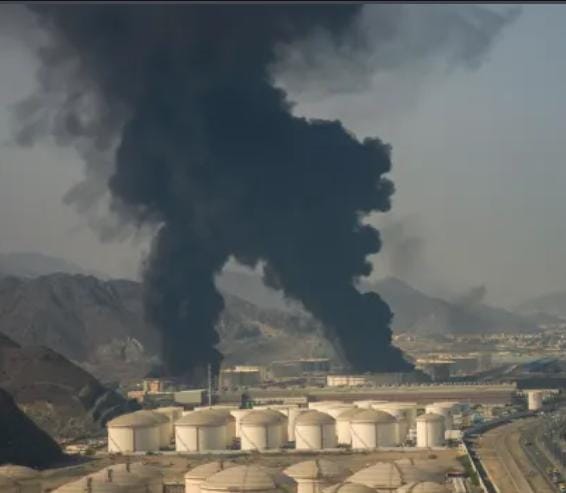
The regional conflict has entered a more dangerous phase as military operations shift toward direct attacks on critical energy infrastructure marking what analysts describe as a move into economic warfare with global consequences.
Recent strikes have targeted key oil and gas facilities raising immediate concerns over global supply stability and broader economic impact.
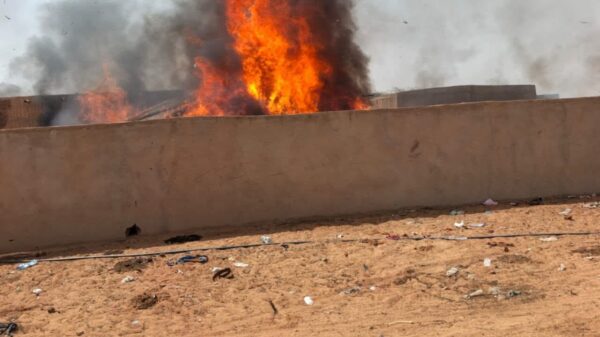
One of the most significant developments involved an attack on a major gas field in southern Iran which triggered large fires at processing facilities and disrupted production.
In retaliation strikes targeted a major Gulf based liquefied natural gas hub considered one of the world’s most important supply centers with authorities confirming significant damage and taking strong diplomatic measures.
The impact extended to other states where operations at gas facilities were suspended due to safety concerns after debris from intercepted projectiles fell nearby.
Military activity across the Gulf intensified simultaneously with multiple countries intercepting missiles and drones under heightened alert conditions to protect strategic infrastructure.
Officials warned that regional patience is limited while emphasizing the availability of strong defensive capabilities.
Global markets reacted immediately with oil and gas prices surging amid fears of prolonged disruption to supply chains.
Economic analysts warn that continued targeting of energy infrastructure could push the global economy toward recession if the crisis is not contained.
Diplomatic relations have deteriorated sharply with reciprocal measures reflecting rising tensions and diminishing prospects for dialogue.
At the same time intelligence assessments have raised new questions about the origins of the escalation adding complexity to the political and military landscape.
Observers warn that as the conflict increasingly targets global economic systems it risks evolving into a broader international crisis beyond the region.