










The regional conflict has entered a new and dangerous phase as attacks expand to include Gulf states marking a significant widening of the confrontation beyond its original actors.
Official statements indicate that multiple Gulf countries intercepted missiles and drones within a short period highlighting the scale and coordination of the attacks.
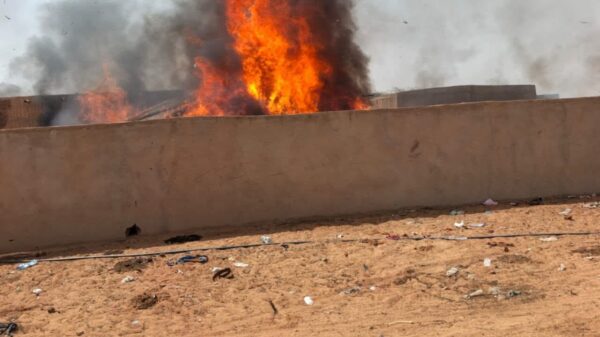
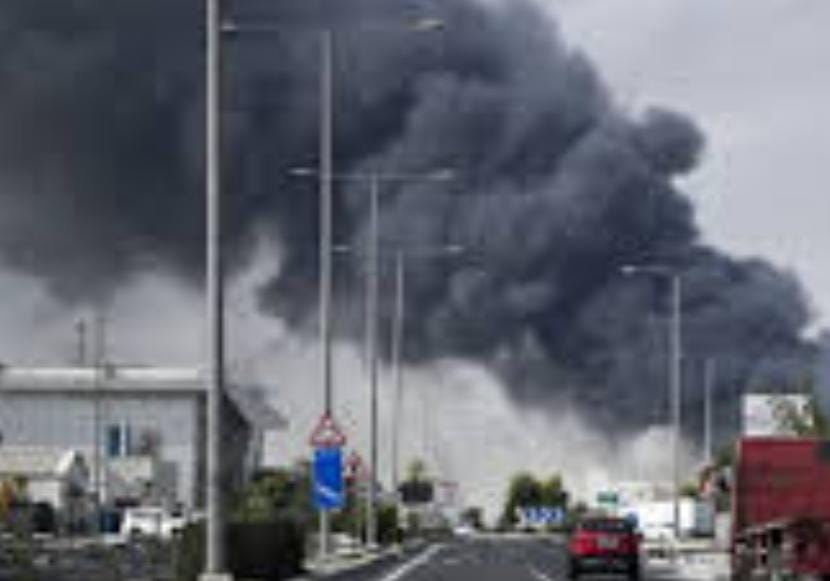
In Qatar authorities confirmed intercepting a missile targeting the capital with limited damage reported and no confirmed casualties while smoke was seen rising from industrial areas.
The United Arab Emirates has faced the highest volume of attacks with numerous projectiles intercepted as air defence systems remain active under heightened alert conditions.
In Kuwait security forces reported intercepting a drone while Saudi Arabia confirmed downing a similar threat over its Eastern Region home to critical energy infrastructure.
Estimates suggest that thousands of missiles and drones have been launched toward Gulf states within weeks reflecting an unprecedented escalation in attack intensity.
The escalation has impacted global markets with regional oil production declining and concerns rising over supply disruptions particularly around key maritime routes.
Aviation and tourism sectors have also been affected with flight disruptions cancellations and rerouting across major regional hubs.
A projectile strike near a nuclear facility has further heightened international concern despite no immediate damage being reported underscoring the risks of escalation near sensitive sites.
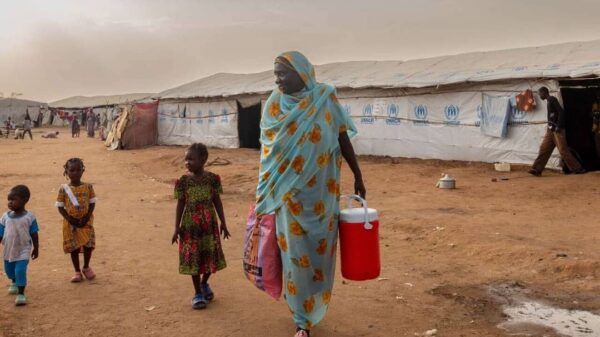
Humanitarian conditions continue to deteriorate in other conflict zones with large scale displacement reflecting the broader impact of the crisis.
In the United States officials have signaled a potential shift toward a more unilateral approach to securing maritime routes raising questions about international coordination.
Authorities across the Gulf have urged residents to remain vigilant and follow safety guidance amid ongoing threats and uncertainty.
Analysts warn that the direct involvement of Gulf states marks a turning point that could drive the conflict toward wider regional and global consequences.