







Lebanon is facing a rapidly worsening humanitarian crisis as ongoing hostilities continue to drive up civilian casualties expand displacement and strain an already fragile healthcare system according to official and humanitarian data.
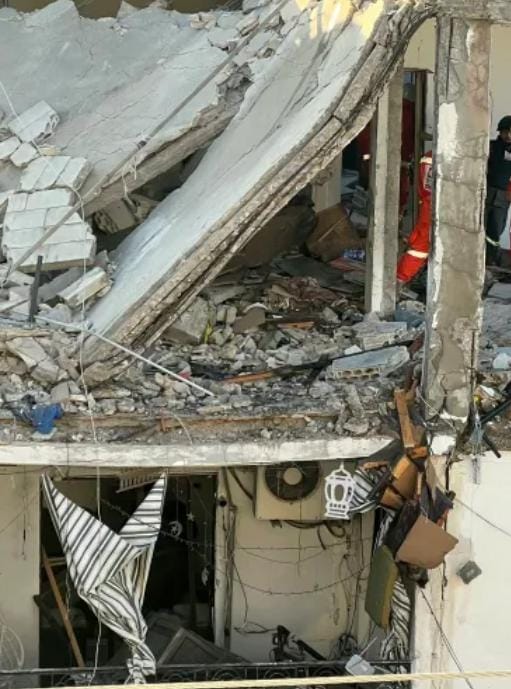
The Lebanese Ministry of Public Health reports that the death toll has reached around 850 people while more than 2100 others have been injured as a result of sustained airstrikes and expanding military operations particularly in southern regions and densely populated urban areas.
Healthcare workers have also been heavily affected with 31 medical personnel killed including doctors nurses and paramedics. One of the deadliest incidents occurred in Borj Qalaouiyeh where an airstrike struck a healthcare facility killing 12 staff members.
The healthcare system is under severe pressure with five hospitals forced to shut down due to direct damage or security threats significantly reducing access to critical services amid rising demand.
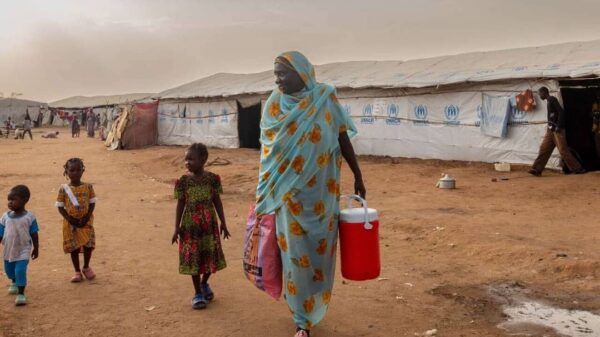
At the same time the conflict has triggered one of the largest displacement waves in recent years.
More than 816000 people have been displaced across Lebanon many fleeing from southern regions and parts of Beirut’s southern suburbs.
Palestinian refugee camps have also been affected with notable displacement from camps such as Rashidieh Burj el Shemali and el Buss while emergency shelters in Saida and Tripoli are facing growing capacity constraints.
Evacuation orders now cover more than 14 percent of Lebanese territory including Beirut’s southern suburbs and more than 50 towns south of the Litani River raising concerns about prolonged displacement.
The issue of civilian return has become increasingly contentious.
Israeli officials said displaced residents from southern Lebanon and Beirut’s southern suburbs will not be allowed to return until security conditions are ensured in northern Israel a position that has raised concerns among human rights groups warning it could amount to forced displacement under international law.
On the ground Israeli forces say they are continuing operations in new locations in southern Lebanon describing them as limited and targeted though the expanding footprint has coincided with continued civilian movement away from conflict zones.
The crisis has also taken on a regional dimension with around 90000 people crossing into Syria including Lebanese nationals and Syrian refugees raising further humanitarian concerns given Syria’s fragile conditions.
Humanitarian agencies warn that without de escalation the situation is likely to deteriorate further as displacement healthcare system collapse and policy disputes over civilian return continue to intersect.