













Tensions between Afghanistan and Pakistan escalated sharply after Pakistani aircraft carried out airstrikes on the Afghan capital Kabul and the southern city of Kandahar in a major expansion of the growing cross border conflict between the two sides.
Taliban officials said Pakistani aircraft targeted residential areas in Kabul and key infrastructure in Kandahar raising concerns about civilian casualties and humanitarian disruption as the fighting enters its third week.
A Taliban police spokesperson said the strikes hit homes in Kabul’s District 21 killing at least four civilians and injuring fifteen others.
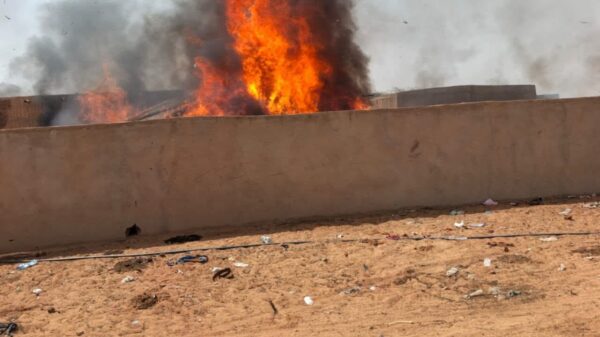
In southern Afghanistan Taliban authorities reported that aircraft struck fuel depots belonging to the private airline Kam Air at Kandahar Airport facilities that they say also supply aviation fuel to aircraft supporting United Nations humanitarian missions.
The escalation comes as security conditions along the Afghanistan Pakistan border deteriorate rapidly with both sides exchanging artillery fire and drone attacks in recent weeks.
Afghanistan’s Taliban defense authorities said they launched retaliatory drone strikes targeting a Pakistani military base in the northern city of Kohat in response to the Kabul bombing.
In a separate incident cross border artillery shelling in the Alisher district of Khost province killed four members of a nomadic Kochi family according to local reports.
The conflict has already caused significant civilian and military losses.
The United Nations mission in Afghanistan confirmed fifty six civilian deaths including twenty four children while local sources say the total number of civilian casualties has now surpassed sixty.
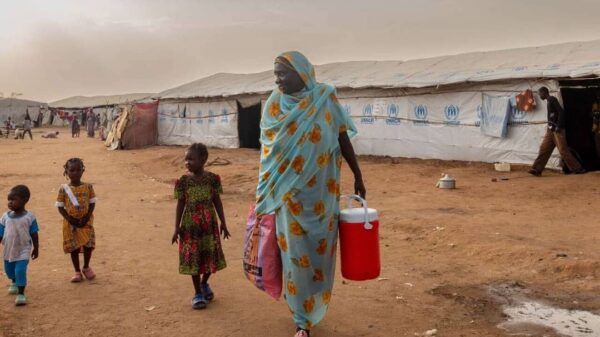
Humanitarian agencies estimate that around one hundred fifteen thousand people have been displaced by the fighting.
Both sides claim significant battlefield losses for the other. Taliban officials say more than three hundred twenty Pakistani soldiers have been killed while Pakistan says its forces have eliminated more than five hundred eighty Taliban fighters since the start of hostilities.
Pakistan’s defense minister described the situation as an open war saying the operations are intelligence driven strikes targeting militant networks including Tehrik e Taliban Pakistan and the regional branch of the Islamic State group.
Taliban authorities reject those claims accusing Pakistan of violating Afghan sovereignty and insisting they do not harbor militant groups carrying out cross border attacks.
China has meanwhile attempted to mediate between the two sides as cross border hostilities intensify. Diplomatic contacts facilitated by Beijing earlier in the week reportedly helped produce a brief pause in fighting.
However the latest wave of airstrikes suggests that the diplomatic effort has so far failed to secure a lasting de escalation.
International organizations warn that continued fighting could disrupt humanitarian operations in Afghanistan where millions of people remain dependent on international aid.
Regional analysts say prolonged conflict between Afghanistan and Pakistan could further destabilize South Asia at a time when geopolitical tensions are already rising across multiple regions.