















Rising geopolitical tensions linked to the ongoing conflict involving the United States, Israel and Iran have pushed global energy markets into a new period of volatility, triggering one of the fastest increases in gasoline prices in the United States in recent years.
Energy markets reacted strongly as crude oil prices surged during overnight trading before stabilizing later in the day, reflecting growing concerns about disruptions to global supply routes.
Fuel prices across the United States have climbed sharply in recent weeks.
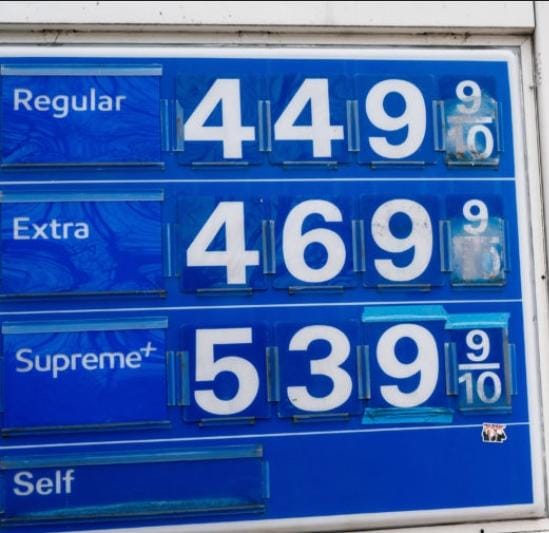
Data released by national energy monitoring agencies show that the average price for regular gasoline has risen to 3.48 dollars per gallon, marking a steep increase tied to instability in global energy markets.
Prices have increased by roughly 57 cents over the past month, with nearly 48 cents added within the last week alone.
Energy analysts say the rapid price surge illustrates how quickly geopolitical shocks can translate into higher consumer costs.
Regional differences remain significant across the country.
Some western states continue to record the highest fuel prices, with averages exceeding 4.80 dollars per gallon.
In parts of the Midwest, gasoline prices have also risen sharply within a single week, highlighting the nationwide impact of market volatility.
Diesel prices have also increased, climbing to nearly 3.90 dollars per gallon on average.
Higher diesel costs are raising concerns among freight and logistics companies that transportation expenses could increase further and eventually affect consumer goods prices.
Global oil markets have reacted nervously to the risk that the conflict could disrupt supply routes across the Middle East.
Oil futures briefly spiked during overnight trading before retreating slightly later in the day as traders reassessed the risk environment.
Market analysts say the fluctuations reflect uncertainty surrounding the security of maritime shipping routes that carry a large share of the world’s energy supplies.
Particular attention is focused on a narrow maritime passage that handles roughly one fifth of global oil shipments.
Any prolonged disruption to tanker traffic through this route could quickly tighten global supply and drive prices significantly higher.
Government officials in several major economies are now discussing potential emergency responses.
Energy ministers from leading industrialized nations are holding consultations aimed at coordinating possible measures to stabilize markets.
One option under consideration is a synchronized release of strategic oil reserves, which could temporarily increase supply and help calm market volatility.
Officials in Washington are also reviewing the possibility of releasing crude from the national emergency reserve.
The stockpile currently holds more than four hundred million barrels and is designed to provide a buffer during major supply disruptions.
Policy makers had initially been cautious about tapping the reserve, but the sharp rise in crude prices has intensified discussions about using it as a stabilizing tool.
Diplomatic and economic initiatives are also being considered to mitigate the economic consequences of the crisis.
Officials say programs aimed at stabilizing fuel supply chains and easing pressure on industries most affected by rising energy costs are being prepared.
Energy analysts warn that the direction of fuel prices will depend largely on developments in the conflict and the security of shipping routes in the region.
If disruptions to maritime transport intensify, analysts say fuel prices could rise further within a short period.
For now, markets remain highly sensitive to geopolitical developments, with traders closely watching military activity and diplomatic efforts that could either stabilize or further disrupt global energy supply.