












Civilian and strategic infrastructure across several Gulf countries has been affected by a series of drone and missile incidents as the regional conflict continues to expand, according to official statements from Gulf governments and Iranian authorities.
Authorities reported damage to facilities in multiple countries, while Iranian officials defended the attacks as retaliatory actions following strikes on infrastructure inside Iran.
Officials in one Gulf state confirmed that a drone strike caused material damage to a water desalination plant. Authorities described the incident as an attack on civilian infrastructure but emphasized that national water supplies remained stable and distribution systems continued operating.
Government communications offices later clarified that despite the damage to the facility, the country’s desalination network remained functional and water production had not been significantly disrupted.
In a separate incident in the same country, fragments from an intercepted missile fell onto a university building in a district near the capital. Officials said several people were injured and the structure sustained visible damage.
Emergency services were deployed quickly, and the injured individuals were treated for non-life-threatening injuries.
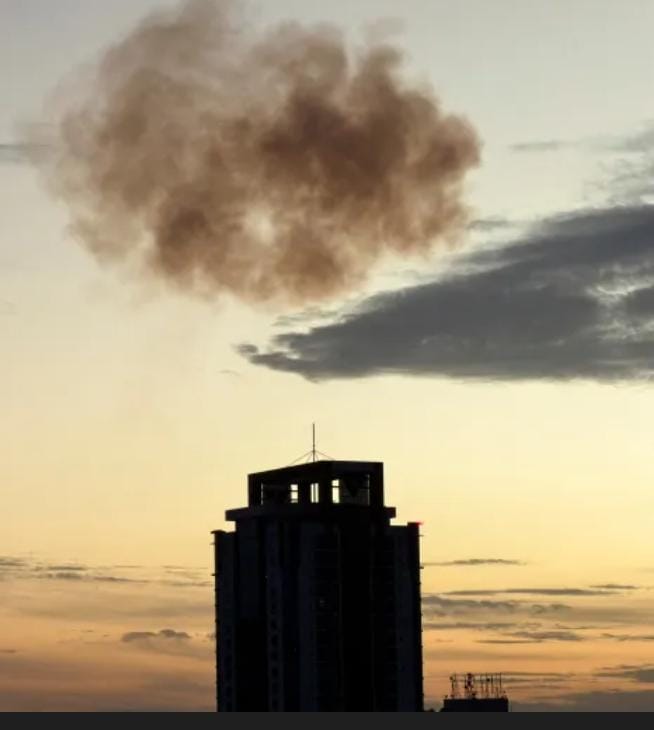
Authorities in another Gulf state reported drone activity targeting key national facilities, including the country’s main international airport and a government administrative complex.
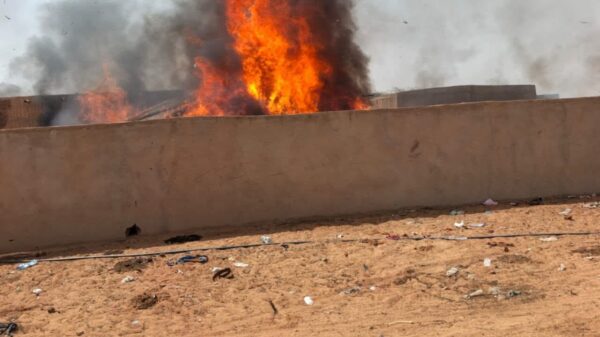
According to official reports, a drone strike ignited a fire at fuel storage tanks located at the airport. Firefighting teams responded rapidly and succeeded in bringing the blaze under control.
Officials said there were no reports of major casualties at the airport, although security authorities introduced precautionary measures and temporary operational adjustments following the incident.
In a separate event, a government building sustained structural damage after being struck by an aerial projectile. Authorities announced that in-person public services at the facility would be temporarily suspended while engineers evaluate the safety of the structure.
Security officials also confirmed that two border security personnel were killed while carrying out their duties. Authorities described the officers as having died while performing national service, though officials did not publicly link their deaths to a specific strike.
Iranian officials meanwhile argued that the attacks were part of a retaliatory response to earlier strikes targeting Iranian infrastructure.
Iran’s foreign ministry said a desalination facility on one of the country’s Gulf islands had been struck in a previous attack, disrupting water supplies for nearby communities.
Officials in Tehran described that incident as a serious violation and said their operations were aimed at locations connected to military activities associated with opposing forces in the region.
Iran maintains that certain facilities in neighboring states qualify as military targets due to the presence of foreign military bases involved in ongoing operations.
Regional defense authorities also reported heightened air defense activity across several Gulf countries.
Military summaries released by authorities indicated that large numbers of drones and missiles have been detected since the escalation began. Most of the incoming threats were intercepted before reaching their targets.
Officials in one country confirmed that falling debris from an interception caused a fatality in a major city earlier during the conflict.
Elsewhere in the region, air defense systems reportedly intercepted dozens of drones in a single day without any confirmed damage to key energy facilities.
Authorities emphasized that critical infrastructure, including major oil fields and energy installations, continued to operate normally despite the security alerts.
Security analysts say the incidents highlight the growing vulnerability of civilian infrastructure as the conflict spreads across the Gulf.
Facilities linked to water supply, aviation, and government administration have increasingly appeared among reported targets, raising concerns about the humanitarian and economic consequences if such attacks continue.
Governments across the region have increased air defense readiness and strengthened emergency response measures while monitoring further developments in the conflict.