






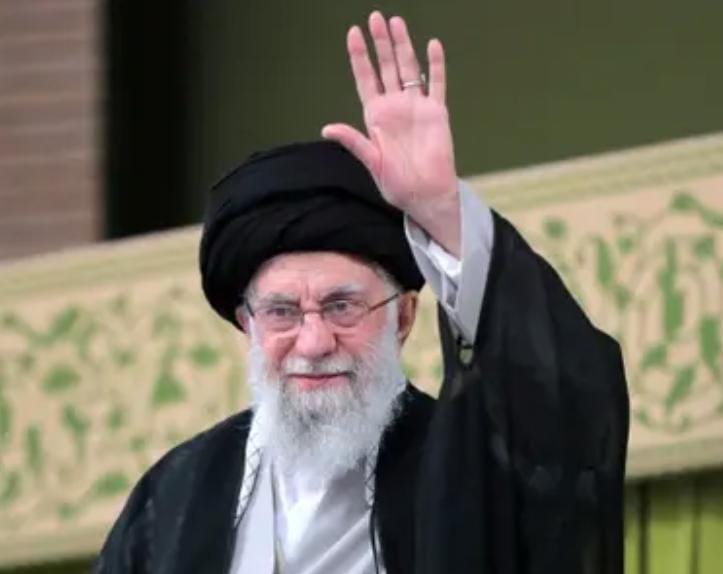
Iran’s senior clerical body responsible for selecting the country’s Supreme Leader has reportedly reached a majority consensus on a successor to the late Ayatollah Ali Khamenei, though the official announcement of the chosen candidate has not yet been made public.
Senior members of the Assembly confirmed that deliberations among the clerics have effectively concluded, producing what they described as a decisive majority opinion regarding the next leader of the Islamic Republic.
According to remarks from senior clerics involved in the process, the main decision has already been reached but procedural steps remain before the official declaration can be issued by the Assembly’s secretariat.
Members of the body indicated that technical and procedural considerations must still be addressed before the formal announcement of the new Supreme Leader.
Details have also emerged regarding the criteria used during the selection process.
Clerical figures involved in the discussions said the Assembly relied in part on guidance attributed to the late leader, who had reportedly advised that his successor should be someone strongly opposed by Iran’s external adversaries.
According to those statements, the candidate chosen by the Assembly fits that description, with some officials pointing to criticism from Western governments as evidence that the individual reflects the late leader’s preferences.
Although the Assembly has not officially confirmed the identity of the successor, several Iranian and regional media outlets have reported that the leading candidate is Mojtaba Khamenei, the second son of the late Supreme Leader.
If formally confirmed, the selection would represent a highly significant moment in Iran’s political system, where leadership has historically been determined through clerical selection rather than family lineage.
The possibility of a transition involving a direct family member has long been the subject of debate among analysts and political observers.
International reactions have already begun to emerge as reports about the potential successor circulate.
Officials in Washington have expressed opposition to the possibility of Mojtaba Khamenei assuming the position, while Israeli military messaging has issued warnings directed toward Iran’s leadership structure amid ongoing hostilities.
These developments come in the context of a broader regional conflict involving large-scale military operations targeting Iranian infrastructure.
The security situation inside the country is believed to be one of the factors contributing to the delay in the official announcement.
Sources familiar with the clerical deliberations say some members of the Assembly insist that the final confirmation must occur during a formal in-person meeting of the body.
Organizing such a session has reportedly proven difficult due to the ongoing military strikes and the heightened security environment across several Iranian cities.
For now, the country remains in a transitional phase as the Assembly completes the final procedural steps required to formally declare the next Supreme Leader.
Observers say the eventual announcement will mark one of the most consequential political transitions in Iran in decades, occurring at a moment of intense regional conflict and domestic uncertainty.