











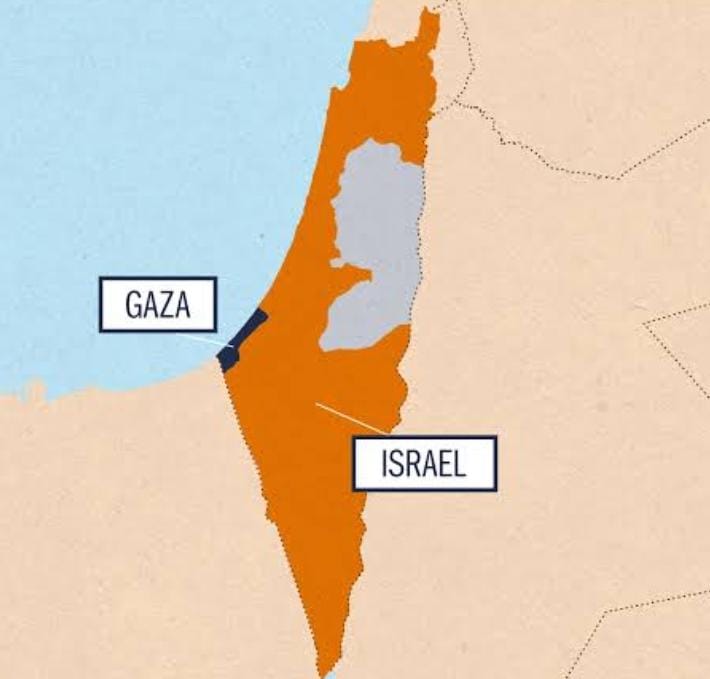
The humanitarian situation in the Palestinian territories has deteriorated sharply as the wider regional conflict continues to intensify. New assessments by international organizations indicate that conditions in both Gaza and the West Bank are becoming increasingly severe as violence, displacement, and restrictions on movement deepen the crisis.
In Gaza, the scale of casualties and infrastructure destruction has pushed essential services close to collapse. Health authorities and humanitarian agencies report that tens of thousands of Palestinians have been killed and many more injured since the outbreak of the war in late 2023.
Hospitals and clinics across the territory are struggling to function under extreme pressure. International health agencies say nearly half of essential medicines are no longer available, while shortages of medical supplies, fuel, and staff are limiting the ability of remaining facilities to treat the wounded.
Only a portion of medical facilities remain operational, and many of those are functioning at reduced capacity as the healthcare system faces mounting strain.
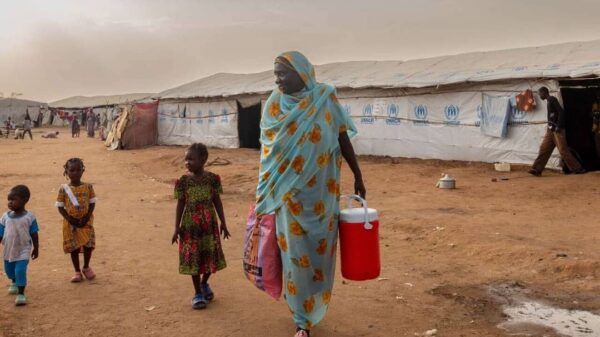
Displacement continues to affect nearly the entire population of the territory. International agencies estimate that more than two million people remain internally displaced as families move repeatedly in search of safety.
Large numbers of residents who had previously fled to southern areas have attempted to return to northern districts, often traveling through neighborhoods that remain heavily damaged and lacking basic infrastructure such as electricity, clean water, and sanitation systems.
Humanitarian organizations warn that overcrowded shelters and deteriorating living conditions are increasing the risk of disease outbreaks.
Access to humanitarian assistance remains limited due to restrictions at border crossings. The main crossing connecting Gaza to Egypt remains closed to passenger movement following the latest regional escalation.
Although it briefly reopened earlier in the year for medical evacuations, the crossing is currently shut, leaving many patients unable to travel abroad for urgent treatment.
Another key crossing has reopened partially for humanitarian deliveries, allowing a limited number of aid shipments and fuel supplies to enter the territory.
United Nations teams recently coordinated missions that retrieved hundreds of pallets of medicines and hygiene supplies. However, aid agencies say the volume of assistance reaching Gaza remains far below the level required to meet basic needs.
Humanitarian organizations estimate that hundreds of aid trucks would be required each day to sustain the population, far exceeding current delivery levels.
Conditions in the West Bank have also worsened amid the broader regional crisis.
International monitoring groups report that violence and confrontations have increased across several areas, including cities and rural communities where tensions between Israeli forces, settlers, and Palestinian residents remain high.
Since the outbreak of the war, more than a thousand Palestinians have reportedly been killed in the West Bank in incidents involving Israeli forces or settlers.
Recent months have also seen a rise in settler-related attacks in several villages, prompting warnings from human rights experts that the security environment is becoming increasingly volatile.
Movement restrictions have further complicated the humanitarian situation.
Checkpoints across the territory remain heavily controlled, limiting the ability of residents to travel between cities and villages.
These restrictions have disrupted daily life, including access to education, healthcare, and employment, while also hindering the ability of humanitarian organizations to deliver assistance.
Aid groups warn that if restrictions persist and violence continues to escalate, the humanitarian conditions across the Palestinian territories could deteriorate further.
International agencies emphasize that a significant expansion of humanitarian access and a sustained ceasefire would be essential to prevent the crisis from deepening in the coming weeks.
With the wider regional conflict still unfolding, the situation in Gaza and the West Bank is expected to remain one of the most urgent humanitarian concerns facing the international community.